
9 Signs Your Workout Plan Isn’t Working
If your strength hasn’t budged in six weeks, you’re dreading the gym, or you keep getting sick between sessions, your workout plan isn’t working. Stop guessing. Run a two-week progress log with baseline tests this week, then compare the numbers.
The highest-priority signs to watch for:
- No measurable performance gains across 4–8 weeks (strength, pace, or endurance)
- Persistent soreness or recurring injuries that don’t resolve with normal rest
- Chronic fatigue, elevated resting heart rate, or frequent illness between sessions
- Dread, boredom, or compulsive guilt around training
- Workouts feel identical week to week with no added load, reps, or complexity
Any two of those together is a strong signal your fitness plan isn’t producing results. The fix starts with measurement, not motivation.
Key Takeaways
If your performance metrics are flat, recovery is suffering, or your program lacks progressive overload, your workout plan isn’t working and a two-week diagnostic log is the fastest way to find out why.
PointDetails
Run a baseline test first
Log sets × reps × load, resting heart rate, and sleep for two weeks before changing anything.
Plateau timelines vary
Novices should reassess after 8–12 weeks; experienced lifters after 4–6 weeks of no progress.
Deload before you quit
A week at 40–50% reduced volume often breaks a plateau without scrapping the whole program.
Red flags need a provider
Dark urine, fainting, or prolonged performance decline despite rest requires medical evaluation, not a new program.
Hire a coach when stuck
Persistent plateaus after lifestyle checks, repeated injuries, or complex goals are clear signals to get professional programming.
Table of Contents
- 1. Your performance metrics have stopped moving
- 2. Soreness and injuries keep coming back
- 3. You’re chronically tired, sick, or sleeping poorly
- 4. You dread going, or you feel guilty when you don’t
- 5. Your program has no real structure or progression
- 6. You’re showing signs of overtraining syndrome or worse
- 7. How long should you wait before changing your plan?
- 8. A 4-step plan to fix a failing program
- 9. When to hire a coach and what to ask
- What actually matters more than the perfect program
- Sources
- FAQ
1. Your performance metrics have stopped moving
Feelings lie. Sweat, soreness, and exhaustion are not reliable indicators of training effectiveness. Incremental load increases are the true signal of progress, not how wrecked you feel walking out of the gym.
The clearest way to tell if workouts are failing you is to track objective numbers: your three-rep max on a compound lift, your one-mile pace, your max pull-ups, or a benchmark circuit time. If those numbers haven’t moved in the timeframes below, the plan needs attention.
Recommended retest windows and expected progress:
What to log every session: sets × reps × load, rate of perceived exertion (RPE on a 1–10 scale), rest times, and any notes on form breakdown. A single missed week is noise. Six weeks of flat numbers is a pattern.
Pro Tip: Set a benchmark test on day one of any new program. A 3-rep max on a squat or deadlift, a timed mile, or a max-rep push-up set takes ten minutes and gives you a concrete comparison point four weeks later. Without it, you’re guessing.
Checking workout efficiency means separating effort from output. High effort with flat output is the definition of an ineffective exercise plan.
2. Soreness and injuries keep coming back
Some soreness after a hard session is normal. Delayed onset muscle soreness (DOMS) typically peaks within a couple of days after training and clears within a few days. That’s your body adapting. What’s not normal: soreness that lingers beyond four or five days, pain that returns in the same spot week after week, or a new minor injury every month.
Recurring overuse injuries are one of the clearest indicators of poor workout results. They usually mean volume or intensity is outpacing your recovery capacity, your movement patterns are imbalanced, or you’re never giving tissues enough time to repair.
Daily recovery monitoring checklist:
- Sleep quality (did you wake rested, or groggy and stiff?)
- Morning resting heart rate (5+ beats above your baseline is a warning)
- Mood and motivation on waking
- Appetite changes (sudden loss of appetite often precedes illness)
- Any localized pain or tightness that wasn’t there yesterday
Red flag: Muscle pain that is severe, accompanied by dark or cola-colored urine, or causes significant swelling requires immediate emergency care. These are potential signs of rhabdomyolysis, a serious condition where muscle breakdown releases proteins into the bloodstream. Do not wait to see if it resolves on its own.
Recovery is where adaptation actually happens. If your program doesn’t build in recovery, it’s building in failure. According to MedlinePlus guidance, if you’re frequently tired, performing worse, or getting sick repeatedly, cutting back for one to two weeks is the right first move before assuming anything more serious.
3. You’re chronically tired, sick, or sleeping poorly
One bad night of sleep tanks your performance the next day. That’s expected. But when fatigue becomes your baseline, when you’re catching every cold that goes around, or when your sleep quality has dropped for weeks without an obvious life reason, your training load is likely the culprit.
Overtraining causes prolonged performance decline, persistent fatigue, mood changes, and recovery that can take weeks to months. The body’s stress response doesn’t distinguish between a brutal training week and a brutal work week. Stack both, and the immune system pays the price.
Elevated resting heart rate is a reliable physiological cue; a consistent increase above your normal baseline suggests your nervous system hasn’t recovered. HRV (heart rate variability) apps like Whoop or Garmin’s Body Battery feature can track this automatically, but a simple manual pulse check works too.
A structured periodized program with at least one passive rest day per week is the evidence-based standard for preventing this kind of accumulated fatigue. Prevention matters here because, as that same review notes, diagnostic tests for overtraining syndrome are limited and unreliable, making it far easier to avoid than to confirm.
4. You dread going, or you feel guilty when you don’t
Motivation fluctuates. Everyone skips a session occasionally. But when training shifts from something you look forward to into something you actively avoid, or when missing a session triggers anxiety or guilt rather than simple disappointment, the psychological signals are telling you something real.
Common psychological signs your plan is failing:
- Dreading specific workouts or the gym in general
- Skipping sessions more than once a week for weeks in a row
- Feeling compelled to train even when injured or exhausted
- Irritability or poor concentration on rest days
- Diminished enjoyment of activities you used to find satisfying
Boredom and burnout are major contributors to people quitting exercise programs, often within the first few months. Repetitive training without variation or challenge is a direct path to both.
The key question is whether the dread is about the program or about life stress bleeding into your gym time. They require different fixes.
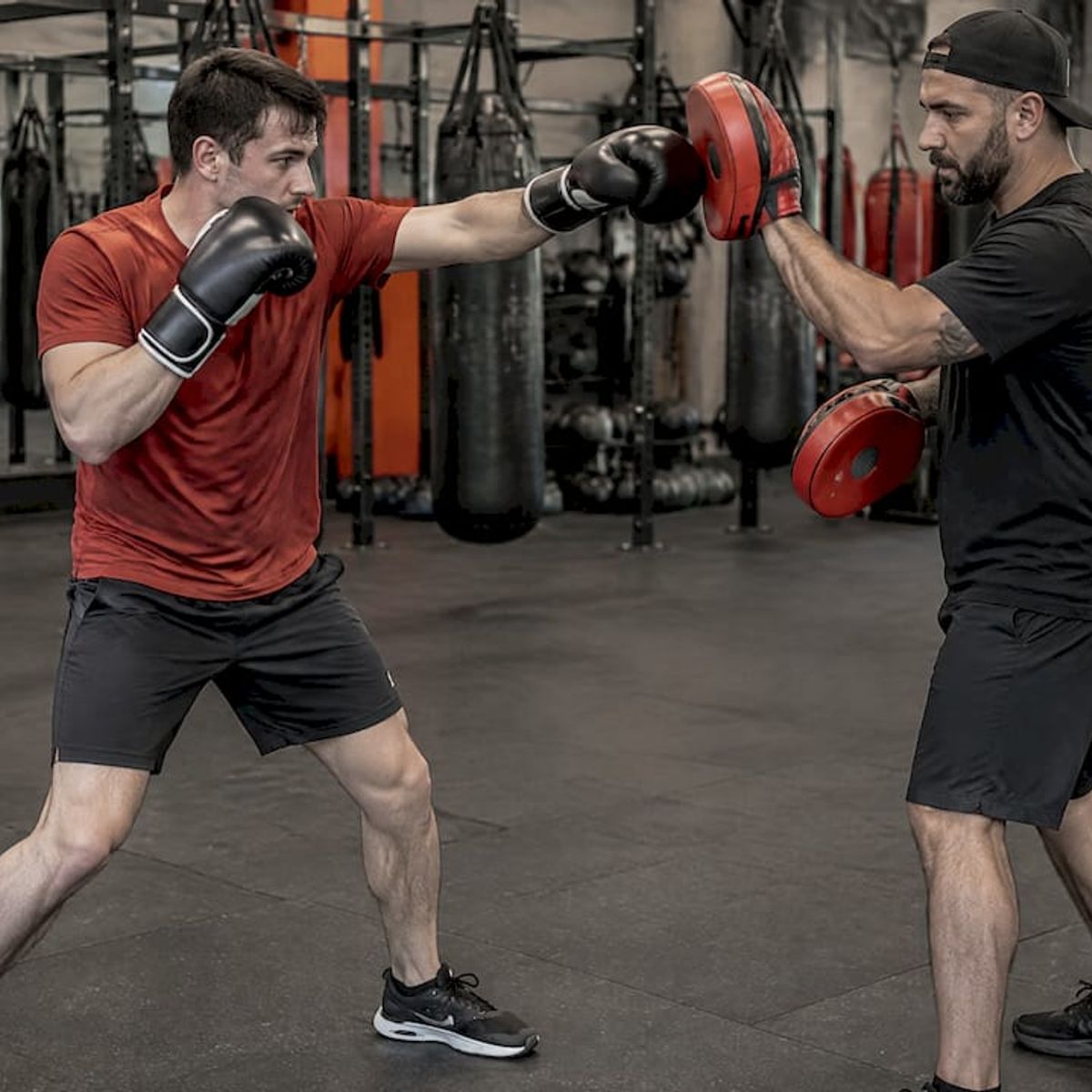
Pro Tip: Swap one session per week for a completely different modality for two weeks. Replace a lifting day with a boxing class, a swim, or a hike. If your energy and enjoyment return, the issue is program monotony. If dread persists across all formats, life stress is the more likely driver, and fitting workouts into a demanding schedule may need attention first.
5. Your program has no real structure or progression
A workout plan that isn’t working often has a design problem, not an effort problem. The most common structural failures:
Program design audit checklist:
- No progressive overload: the same weights, reps, and sets week after week
- Random exercise selection with no logical sequence or goal alignment
- No periodization: intensity and volume never vary across weeks or months
- Volume and intensity mismatched to your goal (e.g., high-rep cardio circuits for someone trying to build maximal strength)
- No scheduled deload or recovery weeks
- Poor balance between pushing, pulling, hinging, and carrying movements
Doing the same exercise repeatedly causes both plateaus and overuse injuries. ACE Fitness recommends changing stimulus roughly every 13 weeks, or sooner when progress stalls. That doesn’t mean scrapping everything; it means rotating emphasis, adjusting rep ranges, or swapping a movement pattern.
Periodization, the systematic variation of training intensity and volume across planned blocks is the gold standard for sustained progress. A basic version includes four weeks of volume-focused work, followed by two weeks of intensity, then one deload week. That cycle alone eliminates most plateau problems.
Quick structural fixes:
- Add 2.5–5 lbs or one rep per week to your primary lifts (linear progressive overload)
- Insert a deload week every 4–6 weeks (reduce volume by 40–50%, keep intensity)
- Rotate one major exercise per muscle group every 4–6 weeks
- Add one conditioning or mobility session per week if your program is purely strength-focused
6. You’re showing signs of overtraining syndrome or worse
Ordinary fatigue and genuine overtraining syndrome (OTS) are not the same thing. OTS is a clinical condition, not just feeling tired after a hard week.
Brief definitions:
- Overtraining syndrome (OTS): A prolonged state of underperformance and fatigue that persists despite adequate rest, caused by accumulated training stress exceeding recovery capacity.
- Relative Energy Deficiency in Sport (RED-S): A condition where caloric intake is chronically insufficient to support training demands, affecting hormones, bone density, immunity, and mood.
- Rhabdomyolysis: Rapid breakdown of muscle tissue that releases myoglobin into the bloodstream, potentially causing kidney damage. Symptoms include severe muscle pain, weakness, and dark urine.
When to seek immediate or urgent medical care: Go to the emergency room for dark or cola-colored urine, severe muscle swelling, fainting, or chest pain during or after exercise. See a healthcare provider urgently (within days, not weeks) for a prolonged performance decline lasting more than two weeks despite rest, persistent mood changes, missed menstrual periods, or unexplained weight loss. Diagnosing OTS requires clinical evaluation, history, and sometimes blood tests — it cannot be confirmed or ruled out by reading symptoms online.
OTS symptoms often overlap with conditions like anemia, depression, or diabetes, which is why a healthcare provider needs to rule those out before attributing everything to training. Bring your training log, a record of recent diet changes, sleep patterns, and a symptom timeline to that appointment. A sports medicine physician or primary care provider is the right first contact; a sports dietitian is worth adding if RED-S is suspected.
7. How long should you wait before changing your plan?
Not every plateau means the program is broken. Sometimes the fix is a deload week, not a new program. The decision depends on how long the stall has lasted and what your training age is.
Program change and deload decision guide:
SituationRecommended actionTimeline
Novice (under 1 year), no progress
Review and adjust program
After 8–12 weeks
Intermediate/advanced, no progress
Adjust or rotate program
After 4–6 weeks
Accumulated fatigue, performance dipping
Deload week
After every 4–6 training weeks
Overtraining syndrome symptoms
Rest and medical evaluation
1 week minimum; up to 12+ weeks
Adjusting a program every 4–16 weeks depending on training age is the general guidance, with novices typically changing every 8–12 weeks and experienced lifters rotating every 4–6 weeks.
Before blaming the program, isolate lifestyle factors:
- Has sleep dropped below seven hours consistently?
- Has caloric intake changed (intentional cut, travel, stress eating)?
- Is there an acute stressor (work deadline, illness, relationship stress) compressing recovery?
If yes to any of those, address the lifestyle variable first and give the program two more weeks. If no, the program design is the more likely culprit.
A simple decision flow:
- Log two weeks of baseline data (performance, sleep, resting heart rate, mood).
- Identify whether lifestyle factors explain the stall.
- If lifestyle is clear, apply one or two targeted program changes (add progressive overload, insert a deload, swap a modality).
- Retest after four weeks. If still flat, consult a coach or sports medicine provider.
8. A 4-step plan to fix a failing program
Diagnosing why your fitness plan isn’t producing results is more useful than immediately switching programs. Here’s a structured approach that takes two to eight weeks.
Step 1: Establish a baseline (week 1–2)
Record every session: sets × reps × load, RPE (1–10), rest times, and how you felt. Add daily morning resting heart rate, sleep score (7 hours minimum is the floor), and a one-line mood note. Building a workout routine from scratch with proper baseline testing built in prevents this guesswork from the start.
Step 2: Isolate variables (week 2)
Before changing the program, check: Are you sleeping at least seven hours? Is your caloric intake supporting your training volume (use a TDEE calculator if unsure — Level Up Gym’s free fitness calculators can help)? Is there an acute stressor compressing recovery? Fix the most obvious variable first.
Step 3: Apply targeted changes (week 3–6)
- Add structured progressive overload: increase load by 2.5–5 lbs or add one rep per set weekly on primary lifts.
- Insert a deload week: drop volume by 40–50% while keeping intensity. This alone often breaks a plateau.
- Swap one modality: replace a lifting session with boxing, cycling, or swimming for variety and reduced overuse risk.
- Address nutrition minimums: protein at 0.7–1g per pound of bodyweight, adequate total calories, and consistent meal timing around training.
Step 4: Retest and decide (week 6–8)
Run the same baseline tests from step one. If performance is moving, the fix worked. If it’s still flat after lifestyle and program adjustments, that’s the clearest signal to bring in a coach or a sports medicine provider.
Daily and weekly tracking minimums:
- Sets × reps × load for every working set
- RPE after each session
- Morning resting heart rate (daily)
- Sleep duration and quality (daily)
- Bodyweight or body-composition proxy (weekly, same conditions)
9. When to hire a coach and what to ask
Some problems are easier to solve with a second set of eyes. A coach is worth the investment when:
- You’ve run two or more program cycles without measurable progress
- You’re getting injured repeatedly and don’t know why
- Your goal has a specific performance target (a race, a body-composition deadline, a strength benchmark)
- You lack the knowledge to program safely for your goal
- You’ve addressed sleep and nutrition and the plateau persists
A qualified coach should provide an initial movement and fitness assessment, a written program with clear progression built in, a recovery plan, and defined KPIs with a reassessment date. If a coach can’t tell you how they’ll measure your progress, that’s a problem.
Questions to ask before hiring:
- What certifications do you hold, and are they current? (Look for NSCA-CSCS, NASM-CPT, ACE-CPT, or ACSM credentials.)
- How do you structure progressive overload in your programs?
- How often do you reassess and adjust the plan?
- What does your onboarding assessment include?
- How do you handle clients who plateau?
Knowing when you need a personal trainer is itself a skill. The short version: if you’ve been consistent and honest with your effort and the results still aren’t coming, professional programming is almost always more efficient than another round of self-experimentation.
Level Up Gym’s small-group personal training at Stratford and Bridgeport, CT offers certified coaching with structured programming, which maps directly to what most readers hitting a plateau actually need: accountability, progressive programming, and a coach who can spot form issues before they become injuries.
Pro Tip: Ask any prospective coach for a sample week of programming before committing. A coach who programs with intention will show you a logical structure with clear progression. One who can’t explain why exercises are sequenced the way they are is winging it.
What actually matters more than the perfect program
There’s a version of this conversation that gets lost in the data: the best program is the one you’ll actually do, consistently, over months and years. Periodization, progressive overload, deloads, and VO2 max tracking all matter. But they matter a lot less than showing up.
What I’ve seen repeatedly, both in the research and in how real people train, is that the pursuit of the “optimal” protocol becomes its own obstacle. Someone spends three weeks researching the perfect split, builds it, runs it for five weeks, decides it’s not working, and starts over. The problem was never the program. It was the inability to stay with anything long enough to let adaptation happen.
Experts consistently note that the best workout is the one you’ll consistently perform. When a program causes dread, adjusting for enjoyment and sustainability isn’t giving up. It’s the smarter long-term move.
The signs covered here are real and worth tracking. But the most underrated fix for a stalled plan is often the simplest: make it something you want to come back to.
Sources
- Overtraining: What It Is, Symptoms, and Recovery
- Exercise: Too much? Signs you may be overdoing it
- 6 signs it’s time to switch up your workout (ACE Fitness)
This article is general information, not a substitute for advice from a qualified doctor. Consult a qualified healthcare professional about your own circumstances before acting on anything here.
FAQ
How do I know if my workout isn’t working?
Track objective metrics: if your strength, pace, or endurance hasn’t improved across 4–8 weeks and you’re not in a planned deload, your plan likely needs adjustment. Persistent fatigue, recurring soreness, or dread of training are additional signals.
Is working out 7 days a week bad?
For most adults, training seven days a week without a rest day increases overtraining risk and reduces adaptation. A structured program with at least one passive rest day per week is the evidence-based standard for sustainable progress.
What are the main symptoms of overtraining?
The primary symptoms include prolonged performance decline, persistent fatigue that doesn’t resolve with rest, mood changes, frequent illness, elevated resting heart rate, and poor sleep. Recovery from overtraining can take weeks to months depending on severity.
When should I change my workout program?
Novices typically benefit from a program review after 8–12 weeks without progress; experienced lifters after 4–6 weeks. Before switching, rule out sleep deficits, low caloric intake, and acute life stress as the actual cause of the stall.
What is the first step when my fitness plan stops producing results?
Start a two-week training log with baseline performance tests (a 3-rep max, timed mile, or benchmark circuit), daily resting heart rate, and sleep tracking. That data tells you whether the program, lifestyle factors, or recovery is the problem before you change anything.
Recommended
- 10 Signs You Need a Personal Trainer (and What to Do) — Level Up Gym | Level Up Gym
- Fit a Workout Into Your Full-Time Schedule — Level Up Gym | Level Up Gym
- How to Work with a Fitness Coach Effectively — Level Up Gym | Level Up Gym
- Structured Workout Program Benefits for Real Results — Level Up Gym | Level Up Gym