Types of Coached Fitness Programs for Every Goal
Coached fitness programs are structured workout plans led by qualified professionals that deliver results through customized training, real-time feedback, and ongoing adjustments. Adults who work with coaches are 9 times more likely to hit their fitness goals than those training alone. The types of coached fitness programs available today cover everything from fat loss and strength training to boxing, online coaching, and hybrid workout plans. Knowing which format fits your goals and lifestyle is the first step toward consistent, lasting progress.
1. Types of coached fitness programs: an overview
Coached fitness programs fall into several distinct categories, each built around a specific training method and outcome. The main types include fat loss programs, strength and powerlifting programs, boxing and kickboxing programs, group fitness classes, online coaching programs, and hybrid workout plans. Each format uses a standard session structure: warm-up, primary training block, conditioning finisher, and cooldown. The right choice depends on your goal, experience level, and how much direct coaching contact you need.
2. Fat loss focused coached programs
Fat loss programs are the most requested personal training option among adults starting their fitness journey. They work because they combine strength training with cardiovascular conditioning, which produces better results than cardio alone. Integrated training and nutrition guidance helps people lose 2.3 times more fat and build more muscle than self-directed approaches. That gap exists because a coach controls the variables that most people ignore: training load, session frequency, and food quality.
A standard fat loss session runs 45–60 minutes and follows this structure:
- Warm-up: 5–10 minutes of mobility and activation work
- Core strength sets: compound lifts such as squats, deadlifts, or presses
- Conditioning finisher: circuits, intervals, or sled work to spike calorie burn
- Cooldown: stretching and breathing to lower heart rate
Coaches also manage what the industry calls the “adherence gap.” Motivation typically drops around week 6, and most self-guided exercisers quit at exactly that point. A coach provides structure and accountability to push through that window. Progressive overload, meaning adding weight or reps over time, keeps the body adapting so fat loss continues past the initial weeks.
Pro Tip: Form failures happen most often in the final 1–2 reps of a set, especially when you are in a calorie deficit. A coach catching those breakdowns in real time is the single best way to prevent injury during a fat loss phase.
3. Strength training coached programs
Strength training programs focus on building muscle, improving movement quality, and increasing the amount of weight you can lift safely over time. Most coached strength programs run three days per week, which gives enough training stimulus while allowing full recovery between sessions. Each session includes a warm-up, primary compound lifts, accessory work, and a brief cooldown. The three-day structure suits beginners and intermediate lifters equally well.
The key difference between coached and self-guided strength training is periodization. Periodization means planning training in phases so the body never fully adapts and stops progressing. Expert coaches modify training protocols every 4–6 weeks by adjusting load, volume, or exercise selection. Without those adjustments, plateaus become permanent.
Coaching benefits in strength programs include:
- Real-time form correction on compound lifts where technique errors cause injury
- Load management to prevent overtraining and undertraining in the same week
- Motivation and accountability during heavy training blocks
- Programming adjustments for minor injuries or schedule disruptions
Experience level shapes the program design significantly. Beginners benefit most from simple, repetition-based programs that build movement habits before adding complexity. Intermediate lifters need precise programming and periodization to keep making progress. A qualified coach recognizes that line and adjusts accordingly.
Pro Tip: Strength training and cardio are not opposites. Two to three strength sessions paired with two low-intensity cardio sessions per week produces better body composition results than either approach alone. Learn how to balance both effectively without burning out.
4. Boxing and kickboxing coached programs
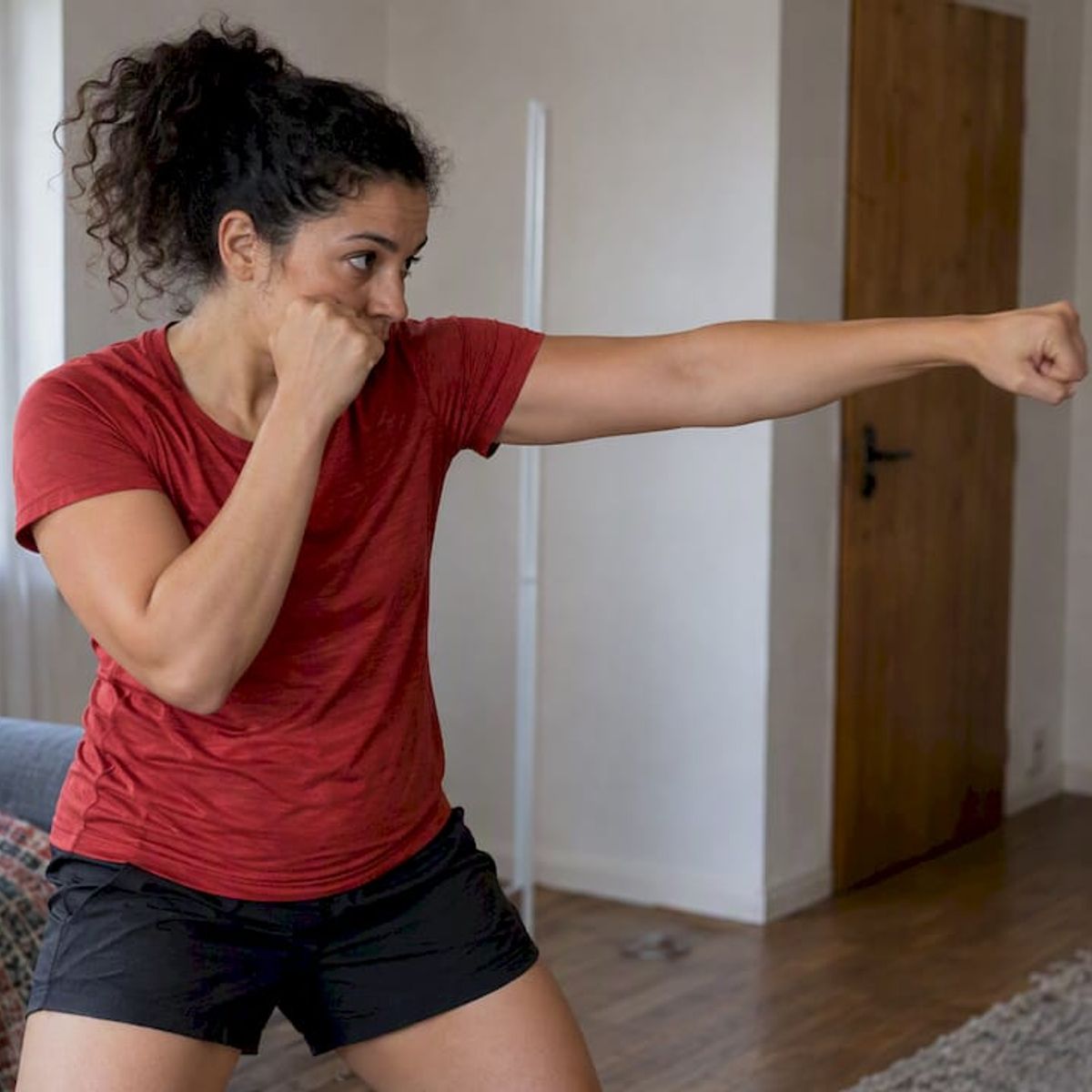
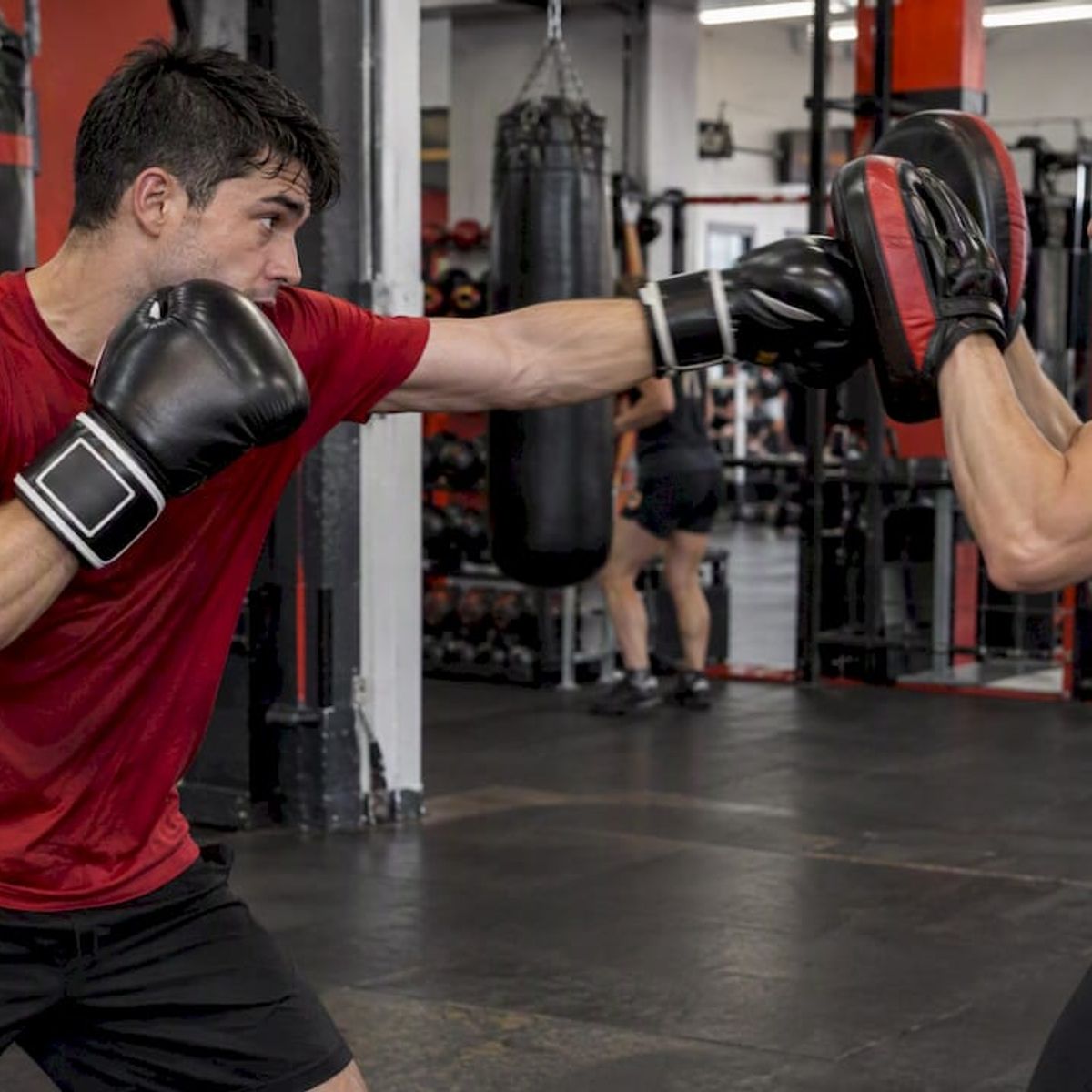
Boxing and kickboxing programs are among the fastest-growing specialized training programs for adults at every experience level. They deliver cardiovascular conditioning, coordination, and full-body strength in a format that feels nothing like traditional gym work. The skill component is what separates boxing from most other fitness program types: you are learning something, not just burning calories.
A coached boxing session follows a clear structure:
- Warm-up: jump rope, shadowboxing, and dynamic stretching
- Technical drills: jab-cross combinations, footwork patterns, and defensive movement
- Bag work: timed rounds on heavy bags to build power and endurance
- Sparring or conditioning rounds: live practice or high-intensity circuits
- Cooldown: stretching and breathing work
The benefits extend well beyond weight loss. Regular boxing training improves hand-eye coordination, reaction time, and mental focus. In-person coaching is the preferred format for boxing because technique errors in punching mechanics can cause wrist, elbow, and shoulder injuries if left uncorrected. That said, hybrid coaching models that combine in-person skill sessions with remote conditioning work are growing in popularity.
Pro Tip: Before joining any boxing program, confirm the gym uses proper safety protocols: hand wrapping instruction, glove fitting, and supervised sparring with clear rules. Level Up Gym builds these standards into every session at its Connecticut locations.
5. Group fitness classes as a coached format
Group fitness classes are a coached fitness format where one instructor leads multiple participants through a structured workout simultaneously. The coaching is less individualized than one-on-one training, but the group environment creates social accountability that many adults find more motivating than solo sessions. Classes typically run 45–60 minutes and cover formats including HIIT, circuit training, cycling, and boxing-inspired cardio.
The main advantage of group classes is cost. A coached group session costs significantly less per person than private one-on-one coaching, making it accessible for adults who want professional guidance without the full investment of personal training. The trade-off is that the coach cannot adjust every individual’s load or form in real time. Group classes work best as a complement to individualized programming rather than a complete replacement.
6. Online coaching programs: flexibility and structure
Online coaching programs deliver personalized programming, nutrition guidance, and coach communication entirely through digital platforms. The coach designs your program, tracks your progress, and adjusts your plan based on check-ins, video submissions, and performance data. Online and hybrid models are increasingly popular among busy adults because they remove the scheduling barrier that stops most people from starting.
Online programs typically include:
- Custom weekly training plans delivered through an app or PDF
- Nutrition coaching with macro targets or meal planning support
- Progress check-ins via video call, messaging, or form review
- Plan adjustments based on schedule changes, travel, or minor injuries
The limitation of fully online coaching is the absence of real-time form feedback. For skill-dependent training like Olympic lifting or boxing, in-person coaching is superior. For goal-dependent training like fat loss or general strength, online coaching produces strong results when the client communicates consistently with their coach. Adaptive coaching that accounts for fluctuating schedules and setbacks is the defining feature of effective online programs.
Hybrid workout plans solve the feedback problem by combining scheduled in-person sessions with remote programming for the rest of the week. This format gives you real-time correction when it matters most and flexibility when life gets busy. Pricing for strength-focused coaching typically runs $200–$500 per month for in-person programs and less for online-only formats.
7. One-on-one coaching: the most personalized option
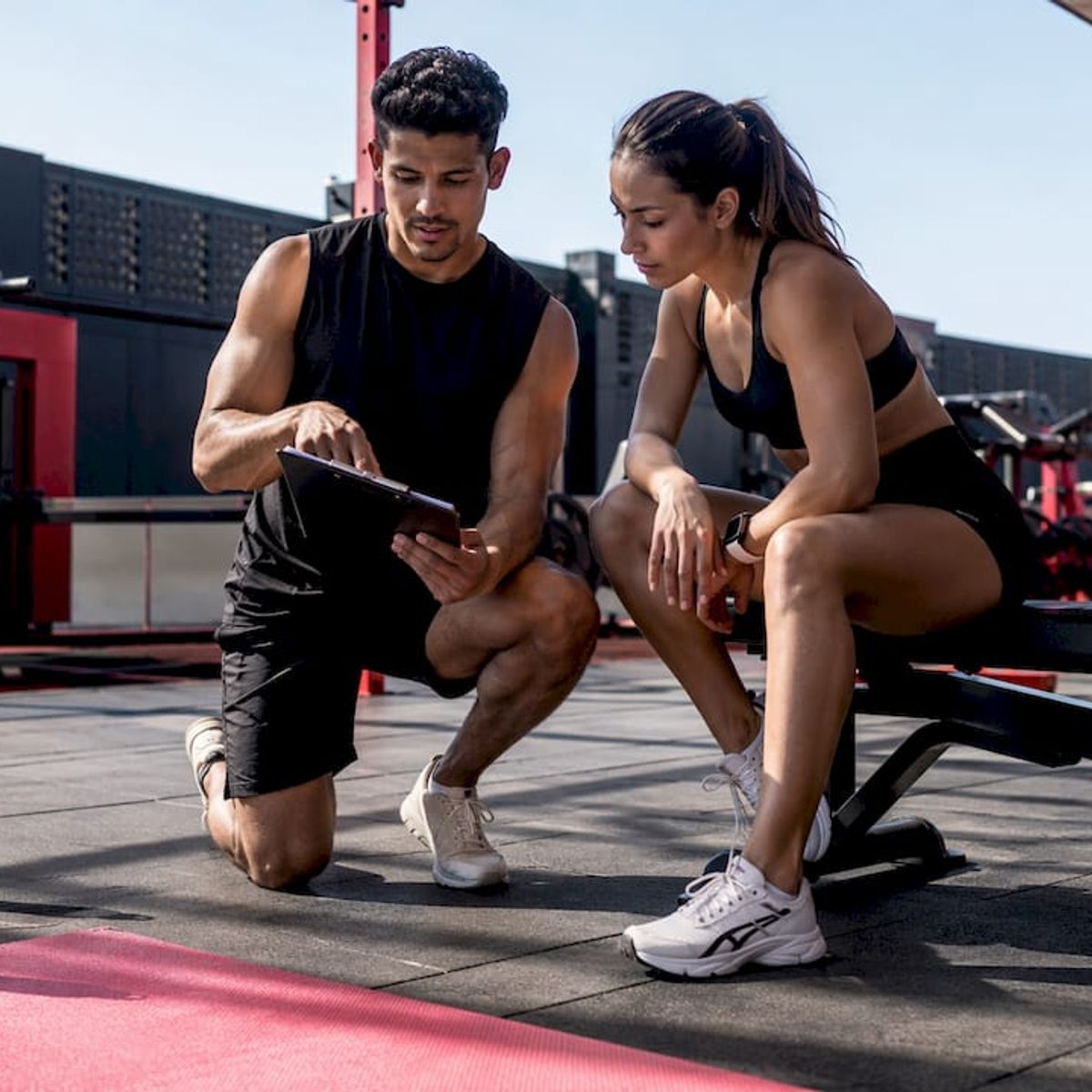
One-on-one coaching is the most direct personal training option available. Every session is designed around your specific goals, movement patterns, injury history, and schedule. The coach adjusts the plan in real time based on how you perform that day, not based on what a generic template says you should do. That level of responsiveness is what makes private coaching the fastest path to results for most adults.
The structured workout program in one-on-one coaching also removes decision fatigue. You show up, the coach runs the session, and you leave knowing exactly what you accomplished. For beginners especially, that clarity is worth more than any specific exercise selection. Consistency, not perfection, drives long-term results, and a private coach removes every obstacle to showing up.
Key takeaways
The most effective coached fitness program is the one matched to your specific goal, experience level, and preferred format because consistency and personalization outperform any single training method.
PointDetails
Coaching multiplies results
Coached clients are 9 times more likely to reach fitness goals than self-guided exercisers.
Fat loss needs both strength and cardio
Integrated programs produce 2.3 times more fat loss than cardio-only or self-directed approaches.
Strength programs require periodization
Coaches adjust load and volume every 4–6 weeks to prevent plateaus and maintain progress.
Boxing suits all experience levels
Coached boxing builds coordination and cardiovascular fitness, but requires in-person form correction for safety.
Hybrid models offer the best of both
Combining in-person sessions with remote programming delivers flexibility without sacrificing coaching quality.
What I have learned from watching people choose the wrong program
Most adults pick a fitness program based on what looks exciting rather than what matches their actual goal. I have seen people sign up for high-intensity boot camps when their real need is building a movement foundation. I have watched intermediate lifters waste months in beginner group classes because the social environment felt comfortable. The program type matters less than the match between the program and the person.
The detail that most articles skip is the week-six problem. Almost every self-guided exerciser quits around that point because motivation fades and results slow down. A good coach anticipates that window and changes the stimulus before the client loses momentum. That is not a motivational speech. It is a programming decision: adjust the load, introduce a new exercise, or shift the training split to keep the body and mind engaged.
My honest recommendation for beginners is to start with one-on-one coaching for at least 8–12 weeks before moving to group classes or online programs. That foundation of correct movement patterns and habit formation pays dividends for years. Intermediate adults who already move well are strong candidates for hybrid coaching, which gives them expert oversight without requiring daily in-person sessions. The goal is to find a format you will actually stick with, because fitness goal-setting only works when the program survives contact with your real life.
— Malcolm
Level Up Gym’s coached programs for every fitness level
Level Up Gym offers coached fitness programs across boxing, hybrid training, strength, and fat loss at its Stratford and Bridgeport, Connecticut locations. Every program is built around the same principle: expert coaching, progressive programming, and real accountability.
The hybrid training programs at Level Up Gym combine scheduled in-person sessions with remote coaching support, giving you the flexibility of online coaching and the precision of face-to-face instruction. Nutrition coaching is available through the meal planning program to complement your training and close the gap between gym performance and daily habits. Whether your goal is fat loss, strength, or learning to box, Level Up Gym has a coached format designed to get you there.
FAQ
What is a coached fitness program?
A coached fitness program is a professionally designed and supervised workout plan tailored to your specific goals, experience level, and schedule. It includes structured sessions, progressive programming, and ongoing adjustments from a qualified coach.
Which program type is best for fat loss?
Fat loss programs that combine strength training with conditioning work produce the best results. Integrated coaching and nutrition guidance helps people lose 2.3 times more fat than self-directed approaches.
Are online coaching programs as effective as in-person training?
Online coaching is highly effective for goal-dependent training like fat loss and general strength, but in-person coaching is superior for skill-dependent disciplines like boxing or Olympic lifting where real-time form correction is critical.
What experience level do I need to start a coached program?
No prior experience is required. Beginners benefit most from simple, habit-building programs, while intermediate exercisers need more precise periodization. Qualified coaches adjust the program to match your starting point.
How often should I train in a coached fitness program?
Most coached programs run 3–5 sessions per week depending on the format and goal. Strength programs typically use three days per week, while fat loss and boxing programs may include additional conditioning sessions.
Recommended
- How to Work with a Fitness Coach Effectively — Level Up Gym | Level Up Gym
- Fitness Goal-Setting Best Practices for Real Results — Level Up Gym | Level Up Gym
- Meal Planning & Nutrition Coaching | Level Up Gym | Level Up Gym
- Structured Workout Program Benefits for Real Results — Level Up Gym | Level Up Gym