Why Short Workouts Still Work: The Science Behind It
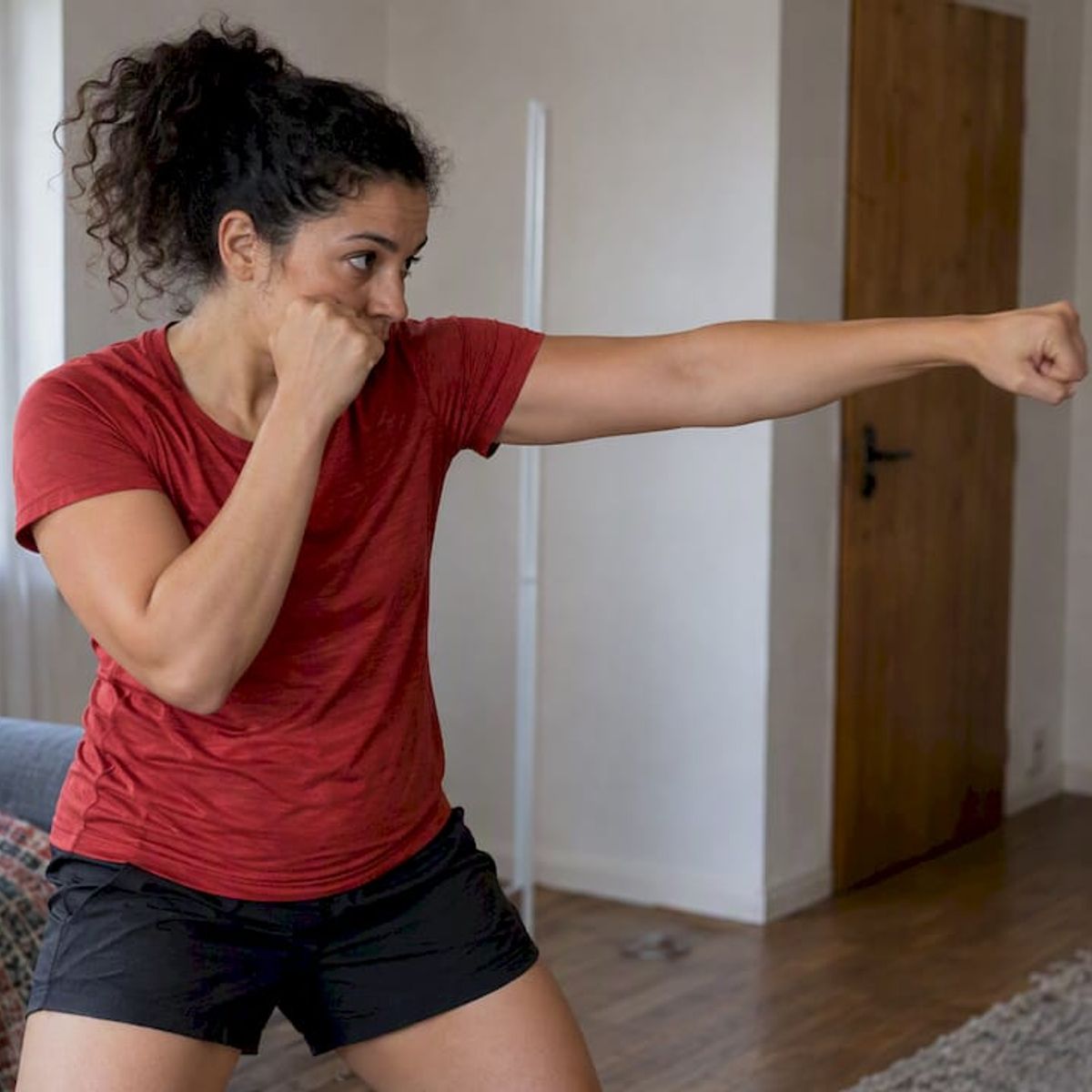
Short workouts are defined as multiple brief bouts of vigorous activity, each lasting under 10 minutes, that accumulate meaningful health benefits across a day. Research now confirms that 5–6 minutes of vigorous activity daily is associated with a 42–47% lower risk of all-cause mortality compared to sedentary individuals. That single finding reframes the entire conversation about exercise minimums. You do not need a 60-minute gym block to move the needle on your health. The science behind why short workouts still work points to three core advantages: metabolic impact, cardiovascular adaptation, and dramatically higher adherence rates.
Why short workouts still work, according to science
The evidence base for brief exercise is stronger than most people realize. A consensus review found that short bouts of accumulated exercise improve more than 20 distinct health outcomes, including VO2max and resting blood pressure, with a 95% completion rate and only a 12% dropout rate. Those numbers matter. They show that short workouts are not just effective in a lab setting. They work in the real world, with real people who have competing demands on their time.
Studies on high-intensity interval training (HIIT) confirm that it matches or exceeds moderate-intensity continuous training (MICT) for improving VO2max and reducing BMI in sedentary and obese adults. HIIT enhances cardiorespiratory fitness more efficiently than longer, steady-state sessions. That efficiency is the core argument for short workouts. You get comparable or superior cardiovascular results in a fraction of the time.
Glycemic control is another area where brief exercise punches above its weight. Four 1-minute bouts of vigorous bodyweight exercises daily significantly improve postprandial glucose regulation in insufficiently active adults. That is four minutes of total work producing clinically meaningful metabolic change. Short bouts also activate insulin-independent glucose uptake in muscle tissue, which reduces blood sugar spikes after meals without requiring a formal workout session.
Pro Tip: Intensity is the variable that makes short workouts effective. A casual 10-minute walk does not produce the same stimulus as 10 minutes of vigorous effort. Aim for a pace or load that makes conversation difficult.
The epidemiological data reinforces the clinical findings. Accumulated vigorous activity spread across a day, even in sub-minute bursts, consistently links to lower cardiovascular disease risk and reduced all-cause mortality. The structured workout program benefits that researchers document are not exclusive to long sessions. Brief, intense efforts trigger the same physiological pathways.
Why do short workouts actually work in the body?
The physiological explanation starts with intensity. Vigorous effort recruits more muscle fibers, elevates heart rate into cardiorespiratory training zones, and triggers hormonal responses that longer, lower-intensity sessions often miss. This is why a 6-minute HIIT circuit can produce adaptations that a 30-minute walk cannot.
Vigorous intermittent lifestyle physical activity, known as VILPA, is the formal term for brief vigorous bursts embedded in daily life rather than scheduled gym sessions. VILPA overcomes behavioral barriers by removing the need for dedicated workout time, gym access, or equipment. Climbing stairs briskly, doing a set of bodyweight squats between meetings, or sprinting to catch a bus all count. The body does not distinguish between “exercise” and “movement” when the intensity is sufficient.
Short bouts also improve insulin sensitivity through a mechanism separate from caloric burn. Muscle contractions during vigorous activity pull glucose out of the bloodstream directly, without requiring insulin. This effect persists for hours after the activity ends. That is why exercise snacks reduce postprandial hyperglycemia so effectively, even in people with type 2 diabetes.
The behavioral advantages are just as significant as the physiological ones. Short workouts remove the two biggest barriers to exercise: time and activation energy. A 5-minute bodyweight circuit requires no commute, no gear change, and no scheduling. Research confirms that integrating short intensive activity into daily living helps people with perceived time constraints achieve meaningful cardiovascular benefits. Sustainability follows naturally when the habit is easy to start.
Pro Tip: Reframe your mindset from “I need to work out” to “I need to move vigorously a few times today.” That shift makes short bouts feel like wins rather than compromises.
What types of high-intensity short workouts are most effective?
Three formats dominate the research on brief, effective exercise: HIIT, short bouts of accumulated exercise (SBAE), and exercise snacks. Each has a distinct use case.
Workout typeDurationIntensityPrimary benefit
HIIT
≥75 min/week total
Very high (85–95% max HR)
Fat loss, VO2max, BMI reduction
SBAE
Multiple bouts, <10 min each
Moderate to vigorous
Glycemic control, blood pressure, body composition
Exercise snacks
1–4 min per bout
Vigorous
Postprandial glucose, habit formation
HIIT at 75 or more minutes per week is the most effective format for fat loss and waist circumference reduction in obese individuals over an 8–16 week period. That is a specific, research-backed threshold. If fat loss is your primary goal, HIIT with sufficient weekly volume delivers the best results.
SBAE suits people who cannot block out continuous workout time. Spreading four to six vigorous bouts across a workday produces superior glycemic control and body composition outcomes compared to a single continuous session of equivalent total duration. The repeated metabolic stimulus throughout the day appears to drive better results than one concentrated effort.
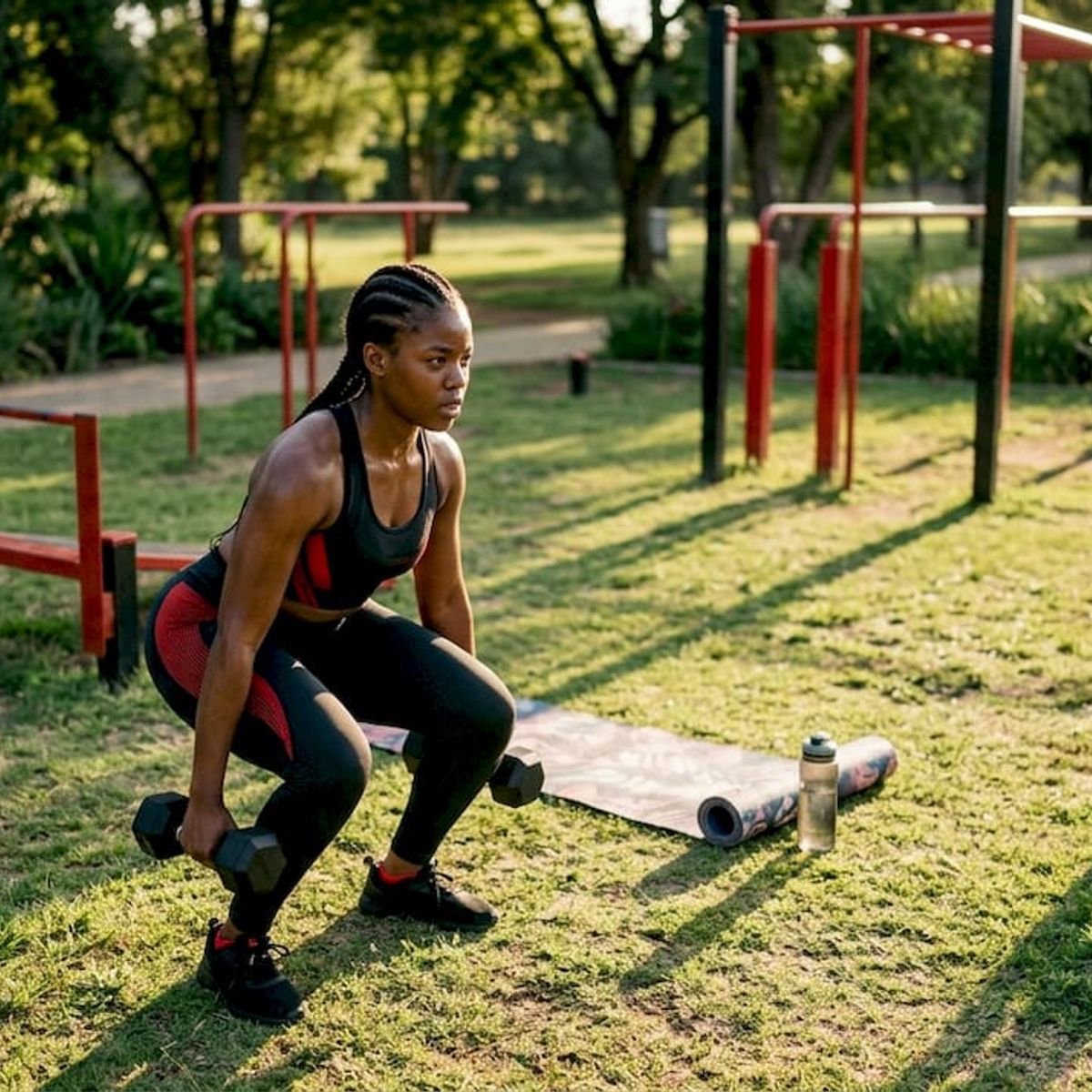
Exercise snacks are the most accessible entry point. Bodyweight exercises like squats and calf raises require no equipment and are clinically effective for glucose management. They work for beginners, for people returning from injury, and for anyone who cannot access a gym. The barrier to starting is essentially zero.
Choosing between these formats depends on your goal. Fat loss and cardio fitness respond best to HIIT with consistent weekly volume. Metabolic health and blood sugar management respond well to SBAE or exercise snacks distributed across the day. Most people benefit from combining both approaches across the week.
How to fit short workouts into a busy daily routine
Consistency matters more than any single session. The goal is to accumulate vigorous bouts across the day rather than save everything for one scheduled block. These strategies make that practical:
- Break up sitting time. Set a timer for every 60–90 minutes and do 2–3 minutes of vigorous movement. Jumping jacks, stair climbs, or bodyweight squats all qualify.
- Stack habits. Attach a short workout to an existing routine. Do calf raises while making coffee, or a set of push-ups before your morning shower.
- Use active commuting. Walk or cycle at a vigorous pace for part of your commute. Even 5 minutes of brisk effort counts toward your daily accumulation.
- Prioritize intensity over duration. A 4-minute all-out effort produces more cardiovascular stimulus than a 15-minute casual walk. Push the pace.
- Schedule three anchor sessions. Pick three fixed times in your day for a 5-minute vigorous bout. Morning, midday, and evening works well. Treat them as non-negotiable.
Recovery matters even in short workouts. Vigorous effort taxes the nervous system and muscles. Spacing bouts across the day naturally builds in recovery time, which is one reason SBAE and VILPA formats are sustainable long-term. You are not accumulating fatigue the way a single long session might.
Fitness goal-setting practices that focus on daily movement targets rather than weekly gym visits align perfectly with the short workout model. Tracking vigorous minutes rather than sessions shifts your focus to what actually drives results.
Short workouts complement, rather than replace, broader activity guidelines. Experts recommend viewing accumulated bouts as an addition to general movement, not a substitute for all physical activity. Adding a longer session once or twice a week, when time allows, builds on the foundation your daily bouts create.
Key Takeaways
Short workouts produce real, measurable health benefits because vigorous intensity, not session length, drives the physiological adaptations that matter most.
PointDetails
Mortality risk drops significantly
Accumulating 5–6 minutes of vigorous activity daily links to a 42–47% lower all-cause mortality risk.
Intensity is the key variable
Vigorous effort triggers cardiovascular and metabolic adaptations that low-intensity movement cannot replicate.
HIIT leads for fat loss
HIIT at 75 or more minutes per week produces the best fat loss and waist circumference results in obese adults.
Exercise snacks need no equipment
Bodyweight moves like squats and calf raises are clinically effective and accessible to beginners.
Behavioral ease drives adherence
Short bouts require no gym, no scheduling, and minimal activation energy, making them far easier to sustain.
What I’ve learned coaching people who “don’t have time to work out”
The most common thing I hear from people who fall off their fitness routine is not that they lost motivation. It is that they ran out of time. And once they miss a few sessions, the whole habit collapses. Short workouts solve that problem in a way that longer programs simply cannot.
What I have seen consistently is that people underestimate intensity and overestimate duration. They think a 45-minute session at a moderate pace is more valuable than a 6-minute circuit that leaves them breathing hard. The research says otherwise. The physiological signal that drives adaptation is intensity, not clock time.
The misconception I push back on hardest is the idea that short workouts are a consolation prize. They are not. For metabolic health, blood pressure, and even fat loss, brief vigorous bouts produce outcomes that rival traditional programs. The balance between strength and cardio that coaches obsess over can be achieved in shorter windows than most people think.
My honest advice: stop waiting for the perfect 60-minute window. Do something vigorous for 5 minutes right now. Then do it again after lunch. That is a real training day, backed by real science. The people who build that habit consistently outperform the ones who wait for the “right” conditions and never quite get started.
— Malcolm
Short workouts, real results: Level Up Gym can help
Level Up Gym, with locations in Stratford and Bridgeport, CT, builds programs around exactly this principle. Brief, intense sessions that fit your schedule are not a workaround. They are the program.
The hybrid training programs at Level Up Gym combine in-person coaching with remote sessions, so you can train effectively whether you have 20 minutes at home or a full hour at the gym. Coaches focus on maximizing the stimulus from every minute you have, not filling time. If fat loss and cardiovascular fitness are your goals, the weight loss programs at Level Up Gym are built around the same high-intensity, time-efficient principles the research supports. Short workouts work best when someone shows you how to push hard enough to make them count.
FAQ
Can short workouts really replace a full gym session?
Short workouts produce comparable cardiovascular and metabolic benefits to longer sessions when performed at vigorous intensity. They are best viewed as a complement to, rather than a full replacement for, all structured exercise.
How short is too short to see results?
Research shows that as little as 4 minutes of vigorous bodyweight exercise daily produces measurable improvements in blood sugar regulation. The key factor is intensity, not duration.
What counts as vigorous intensity?
Vigorous intensity means working hard enough that holding a full conversation becomes difficult. Brisk stair climbing, fast bodyweight circuits, and sprint intervals all qualify.
How many short bouts should I do per day?
Accumulating 5–6 brief vigorous bouts daily links to the strongest mortality risk reductions in current research. Spreading them across morning, midday, and evening works well for most people.
Are short workouts effective for weight loss specifically?
HIIT performed at 75 or more minutes per week is the most effective short-workout format for fat loss and waist circumference reduction, particularly in individuals with obesity, based on current meta-analyses.
Recommended
- Structured Workout Program Benefits for Real Results — Level Up Gym | Level Up Gym
- Fitness Goal-Setting Best Practices for Real Results — Level Up Gym | Level Up Gym
- What Is Metabolic Conditioning and Why It Works — Level Up Gym | Level Up Gym
- Exercise and Academic Performance Link Explained — Level Up Gym | Level Up Gym