Fitness in Plano, TX Means Hybrid Training Plus Boxing Here
If you’re searching for hybrid training and boxing with real nutrition coaching, you want a program that combines strength work, boxing conditioning, and a nutrition plan in one place, not three separate memberships. Level Up Gym offers exactly that setup, with a 6-week beginner onramp designed for people who’ve never thrown a punch or touched a barbell. Book a trial class or start the onramp this week. What you’ll get:
- A structured entry point with coach-led progressions instead of being thrown into an advanced class
- Nutrition coaching and meal planning alongside your training, not sold as a separate add-on
- Free TDEE and macros calculators so you know your targets before session one
Key Takeaways
Hybrid training paired with boxing and nutrition coaching delivers cardiometabolic results in less weekly training time than separate strength and cardio programs.
PointDetails
Hybrid training saves time
Pooled research shows hybrid sessions average 128 minutes weekly versus 187 for fully combined programs, with comparable cardiometabolic gains.
Start with a structured onramp
A 6-week beginner progression reduces injury risk and improves adherence for new boxing and strength members.
Nutrition coaching isn’t optional
Protein targets near 1.6 to 2.2 grams per kilogram and tracked macros support recovery between boxing and strength sessions.
Ask before you sign
Confirm trial availability, coach-to-client ratio, and cancellation terms before committing to any membership.
Level Up Gym covers the full package
Offers hybrid training, boxing classes, small-group and 1-on-1 coaching, nutrition programs, and free TDEE and macros calculators at Stratford and Bridgeport, CT locations.
Table of Contents
- What Is Hybrid Training and Fitness Boxing?
- Who Benefits, and Which Program Format Fits Your Goals?
- What Happens During Your First Class or Beginner Onramp?
- Why Nutrition Coaching Matters for Hybrid Training
- What Should You Expect to Pay, and What Should You Ask?
- A Quick Checklist for Choosing the Right Gym
- Overview of Top Fitness Facilities in the Plano Area
- Local Fitness Events and Community Resources in Plano
- Gym Hours and Accessibility Across Plano
- Parking and Getting to Popular Fitness Centers
- What Actually Determines Whether You Stick With It
- Ready to Book Your Trial or Beginner Onramp?
- Sources
- FAQ
What Is Hybrid Training and Fitness Boxing?
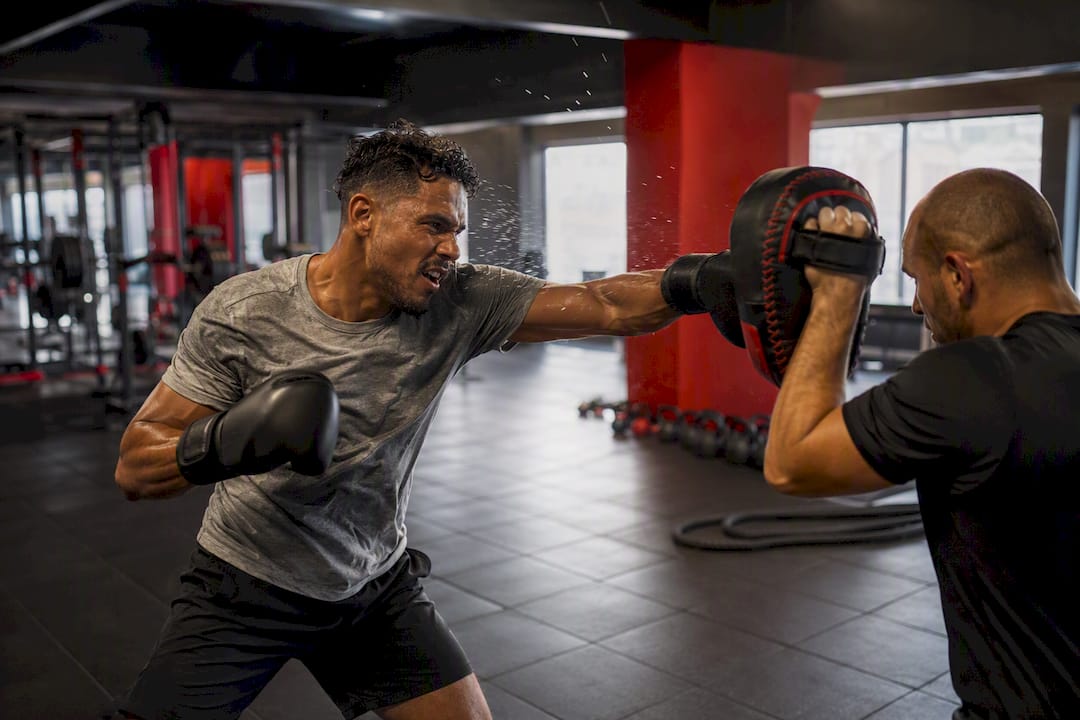
Hybrid training means combining strength or conditioning work with boxing technique in the same session, rather than running separate cardio days and lifting days on different parts of the week, as detailed in Types of functional fitness training styles. You hit pads or a heavy bag for conditioning, then move into strength circuits, all inside one hour instead of two visits to the gym.
The case for this format isn’t just convenience. A Harvard Health review pooling 81 studies found combined training produced the biggest improvements in cardiometabolic risk factors, with hybrid training close behind, at a real time savings: hybrid sessions averaged 128 minutes per week versus 187 minutes weekly for fully combined programs. That’s roughly an hour less training time for a comparable payoff.
A minimalist hybrid training framework published in Sport Sciences for Health backs this up further, proposing 3 to 4 weekly sessions that develop strength, hypertrophy, and metabolic conditioning together, as long as intensity, sequencing, and recovery are actually programmed rather than left random.
Hybrid training differs from two other formats people often confuse it with:
- Separate endurance and strength programs train each quality on its own day, which works but costs more weekly hours.
- Boutique fitness boxing studios focus almost entirely on bag work and conditioning circuits, light on structured strength progression.
- True hybrid programming blends both inside a single session with a clear objective for each block.
Who Benefits, and Which Program Format Fits Your Goals?
Your goal should decide your format, not the other way around. Someone chasing fat loss on a tight schedule needs something different than a student building boxing skill for the first time.
- Weight loss or general fitness: group hybrid classes 3 to 4 times weekly, per the minimalist framework’s recommended frequency.
- Busy professionals or students: small-group training twice weekly, supplemented with one solo conditioning session.
- Skill development in boxing: 1-on-1 sessions focused on technique before mixing into group hybrid classes.
- Accountability seekers: small-group formats that combine coaching attention with the social pull of training alongside others.
Beginners generally do best starting at 2 sessions a week and building to 3 or 4 once technique and conditioning catch up. Students juggling class schedules often find balancing strength and cardio sessions easier in a hybrid format than trying to squeeze in two separate gym visits.
What Happens During Your First Class or Beginner Onramp?
A typical hybrid or boxing session follows a predictable rhythm, and knowing it ahead of time takes most of the anxiety out of walking in the door.
- Warm-up (5 to 10 minutes): mobility work and light cardio to raise heart rate.
- Technique block: coach-led instruction on punches, footwork, or a specific strength movement.
- Bag or pad rounds: 3 to 5 rounds of conditioning work, scaled to fitness level.
- Strength circuit: bodyweight or light-load work targeting the session’s stated objective.
- Cooldown and stretch: 5 minutes to bring things back down.
A 6-week beginner onramp exists specifically because structured progressions reduce injury risk and improve adherence for people new to boxing or strength training. Expect an initial fitness assessment, then weekly technique benchmarks that let a coach track whether you’re actually progressing, not just showing up.
Coach-to-client ratios in small-group formats typically stay low enough that a coach can correct your form within a round or two, not after the class ends.
Pro Tip: Bring hand wraps and a water bottle to your first boxing session; most gyms provide gloves for trial classes, but wraps protect your wrists once you’re training regularly.
Why Nutrition Coaching Matters for Hybrid Training
Combined strength and boxing work asks more of your recovery than either discipline alone, and food is where that recovery gets funded or shortchanged. Protein intake in the range of roughly 1.6 to 2.2 grams per kilogram of body weight supports the muscle repair that strength circuits demand, while carbohydrates fuel the glycogen-dependent output that boxing rounds burn through fast.
Credible nutrition coaching looks specific, not generic:
- Personalized targets based on your actual body weight and activity level, not a flat “eat clean” instruction
- Measurable macros you can track, adjusted every few weeks as your training load changes
- Habit-based coaching that changes one or two behaviors at a time instead of overhauling your diet overnight
Level Up Gym’s meal planning and nutrition coaching program pairs free TDEE and macros calculators with one-on-one coaching, so you get a starting number before your first consult and a coach to adjust it as you go.
What Should You Expect to Pay, and What Should You Ask?
Gyms in this category typically price around four common structures: drop-in rates for single classes, class packs (usually 5 or 10 sessions), monthly memberships with unlimited or capped classes, and personal training packages sold in blocks of sessions.
Before signing anything, ask these questions directly:
- Is there a no-obligation trial class or week, and what does it include?
- What’s the coach-to-client ratio in group and small-group formats?
- Do class packages expire, and what’s the cancellation policy on memberships?
- Are coaches certified through NASM, ACE, NSCA, or an equivalent credentialing body?
Red flags worth walking away from: no trial option offered, vague answers about coach credentials, or a sales process that pressures you to sign before you’ve tried a single class.
A Quick Checklist for Choosing the Right Gym
Walking into a tour or trial with a mental checklist keeps you from getting swept up by a slick sales pitch and missing the details that actually matter six months in.
- Certifications: coaches hold NASM, ACE, NSCA, or comparable credentials.
- Beginner progression: a defined onramp exists, not just “jump into the next class.”
- Nutrition support: meal planning or macros coaching is offered in-house.
- Coaching style: hands-on correction during class, not just shouted encouragement.
- Schedule fit: class times actually match your week, not just weekday mornings.
- Safety protocols: wraps, gloves, and mat space are clearly maintained and explained.
Five questions worth asking any coach directly during your trial:
- “What’s your certification, and how long have you coached hybrid or boxing classes?”
- “How do you scale this workout for someone brand new?”
- “What does progress tracking look like over the first six weeks?”
- “How many people are typically in this class or small-group session?”
- “What happens if I need to pause my membership?”
Prefer small-group formats if you want coaching attention without the cost of private sessions; go private if you’re rehabbing an injury or need technique corrected before joining group boxing rounds.
Pro Tip: Watch how a coach responds to a beginner’s mistake during the trial class. Patient, specific correction beats generic hype every time.
Overview of Top Fitness Facilities in the Plano Area
Plano, Texas has built a reputation as one of the more gym-dense suburbs in North Texas, with everything from big-box chains to specialty boxing studios and CrossFit-style boxes clustered around the Legacy West and Preston Road corridors. Large multi-purpose facilities dominate the West Plano stretch, offering pools, group fitness studios, and expansive free-weight sections aimed at families and members who want variety under one roof.
Boutique studios have grown fast along Preston Road and near Willow Bend Mall, catering to members who want a tighter class experience: think 45-minute boxing conditioning sessions or small-group strength classes capped at a dozen people. These studios tend to run higher per-class pricing than the big multi-purpose gyms, but the coaching ratio is usually better.
Specialty boxing and combat-sport gyms have also carved out a niche in Plano, often housed in strip-mall units that keep overhead low and pass savings on to members. Several blend recreational boxing classes with youth programs, making them a draw for families who want one location to serve both parents and kids.
The strongest options in any Plano search share a few traits: certified coaching staff, a beginner-friendly onramp rather than a sink-or-swim first class, and some form of nutrition guidance beyond a printed handout. Facilities lacking any of those three tend to see higher membership churn, since new members without structured beginner support are the ones most likely to quit within the first two months.
Local Fitness Events and Community Resources in Plano
Plano’s fitness culture runs deeper than gym memberships. The city’s parks and recreation department organizes seasonal 5K and 10K runs through Oak Point Park and along the Chisholm Trail, drawing hundreds of local runners each year and giving gym members a natural race goal to train toward between structured sessions.
Community boxing and conditioning meetups have grown around Plano’s boutique studio scene, with some hosting monthly “bring a friend” sessions that double as informal open houses for people considering membership. These events matter for anyone weighing a hybrid or boxing program: showing up to a free community class tells you more about coaching style and group energy than any website ever will.
Local running clubs, cycling groups, and recreational sports leagues based out of Plano’s park facilities also feed members into gyms looking for supplemental cardio work between strength or boxing sessions. Several Plano-area gyms partner informally with these clubs, cross-promoting events and occasionally offering discounted trial passes to club members.
Farmers markets and community health fairs held seasonally around Plano’s downtown district frequently feature booths from local trainers and nutrition coaches, a useful low-pressure way to meet a coach and ask questions before committing to a paid trial. If you’re deciding between a big multi-purpose facility and a specialty boxing studio, attending one of these community events first can clarify which coaching style and class size actually suits you.
Gym Hours and Accessibility Across Plano
Most full-service fitness facilities in Plano run extended hours, typically opening as early as 5:00 AM on weekdays and staying open until 10:00 or 11:00 PM to accommodate both early risers and after-work crowds. Weekend hours tend to run shorter, often 7:00 AM to 6:00 PM or 7:00 PM, which matters if your schedule only allows for Saturday or Sunday training.
Boutique studios and specialty boxing gyms generally keep tighter, class-based schedules rather than 24-hour access, since staffed coaching sessions replace the self-serve model of larger chains. That means checking the specific class calendar matters more than assuming you can walk in anytime.
Accessibility varies significantly by facility age and design. Newer developments around Legacy West tend to meet current accessibility standards with elevator access, accessible parking, and adapted equipment areas, while older strip-mall locations may have more limited accommodations. If mobility access is a factor for you or a training partner, calling ahead to confirm specific accommodations beats assuming based on a website photo.
Members juggling irregular work hours or student schedules should specifically ask about early morning or late evening class availability during a tour, since not every facility runs boxing or hybrid classes across the full range of operating hours. A gym that’s technically open 16 hours a day but only offers coached classes in a 3-hour window isn’t actually accessible to someone with a nonstandard schedule.
Parking and Getting to Popular Fitness Centers
Parking availability differs sharply between Plano’s big-box fitness centers and its boutique studios. Large multi-purpose gyms near retail corridors like Legacy West and The Shops at Willow Bend typically offer expansive dedicated lots, meaning parking rarely becomes a barrier even during peak evening hours.
Boutique studios and specialty boxing gyms tucked into smaller strip-mall developments face tighter parking, especially during popular class times in the early morning and right after the workday ends. Arriving 10 to 15 minutes before a class starts, rather than right at start time, usually solves this without much hassle.
Public transportation options remain limited across most of Plano compared to denser urban areas, since the city’s layout leans heavily car-dependent. DART bus routes do service parts of Plano, though coverage near specialty fitness studios tends to be inconsistent, making a personal vehicle or rideshare service the more reliable option for most members.
For anyone relying on rideshare apps to reach a class, checking a facility’s exact drop-off point ahead of time helps, since strip-mall developments with multiple units can make pinpointing the right entrance tricky on a first visit. Facilities with dedicated signage and clear entrance markings tend to reduce this friction significantly for first-time visitors trying a trial class.
What Actually Determines Whether You Stick With It
Most people don’t quit a hybrid or boxing program because the workouts are too hard. They quit because nobody built them a bridge from “motivated on day one” to “still showing up in week seven,” and that gap is where structured onramps earn their keep.
A typical new member who follows a 6-week beginner onramp with paired nutrition coaching tends to see steadier week-over-week progress than someone who jumps straight into unstructured group classes, largely because the onramp forces consistent technique correction before fatigue and frustration set in. That’s the pattern worth paying attention to, more than any single workout’s intensity.
The overlooked variable is nutrition timing around training days, not just total calories. New members who skip protein after boxing-heavy sessions often feel flatter in strength blocks the next day, which snowballs into skipped sessions by week three if nobody flags it early.
If you’re starting this week, the single most useful habit for your first month is logging what you eat on training days specifically, even loosely, so a coach has something real to adjust rather than guessing.
— Malcolm
Ready to Book Your Trial or Beginner Onramp?
Level Up Gym’s hybrid training programs are built around the same principle this whole guide covers: strength, boxing conditioning, and nutrition coaching working together instead of three separate commitments pulling you in different directions.
The typical trial or 6-week onramp includes an initial fitness assessment, a set number of hybrid and boxing classes, and a nutrition consult where a coach walks you through your TDEE and macros numbers rather than handing you a generic sheet. Booking takes three steps: pick a location page for Fairfield and Southport, reserve your trial slot online, then show up ready to move, gloves and wraps provided for your first visit.
After your trial, there’s no pressure into a long-term contract. Level Up Gym runs no-contract membership options alongside class packs and small-group personal training packages, so you can scale your commitment as your schedule and goals shift. If you’re ready to stop researching and start training, book your onramp this week.
Sources
- Hybrid exercise training — Harvard Health Publishing
- Hybrid training for health and performance: a minimalist framework — Sport Sciences for Health
FAQ
Can Complete Beginners Join a Hybrid or Boxing Class?
Yes. Boutique fitness boxing and hybrid programs are designed to scale intensity for beginners, and a structured 6-week onramp gives new members coach-led technique progressions before joining full-speed group classes.
How Intense Are Typical Hybrid Training Sessions?
Sessions typically run 45 minutes and combine bag or pad rounds with strength circuits, with intensity scaled to fitness level rather than fixed for everyone in the room.
How Soon Will I See Results From Hybrid Training?
Most new members following a structured onramp with paired nutrition coaching notice steadier energy and conditioning improvements within the first 4 to 6 weeks, though visible body composition change typically takes longer.
What Should I Wear or Bring to My First Class?
Wear athletic clothes you can move in, bring a water bottle and hand wraps if you have them, and expect gloves to be provided for trial classes at most gyms, including Level Up Gym.
Are Coaches at Hybrid Gyms Actually Certified?
Reputable hybrid and boxing gyms staff coaches holding certifications like NASM, ACE, or NSCA, and it’s worth asking directly during a trial if credentials aren’t listed publicly.
Recommended
- Boxing & Hybrid Gym near Fairfield & Southport, CT | Level Up Gym | Level Up Gym
- Boxing & Hybrid Gym near Shelton, CT | Level Up Gym Stratford | Level Up Gym
- Boxing & Hybrid Gym near Trumbull, CT | Level Up Gym Bridgeport | Level Up Gym
- The Mental Health and Fitness Link: Boxing and Hybrid Training — Level Up Gym | Level Up Gym