
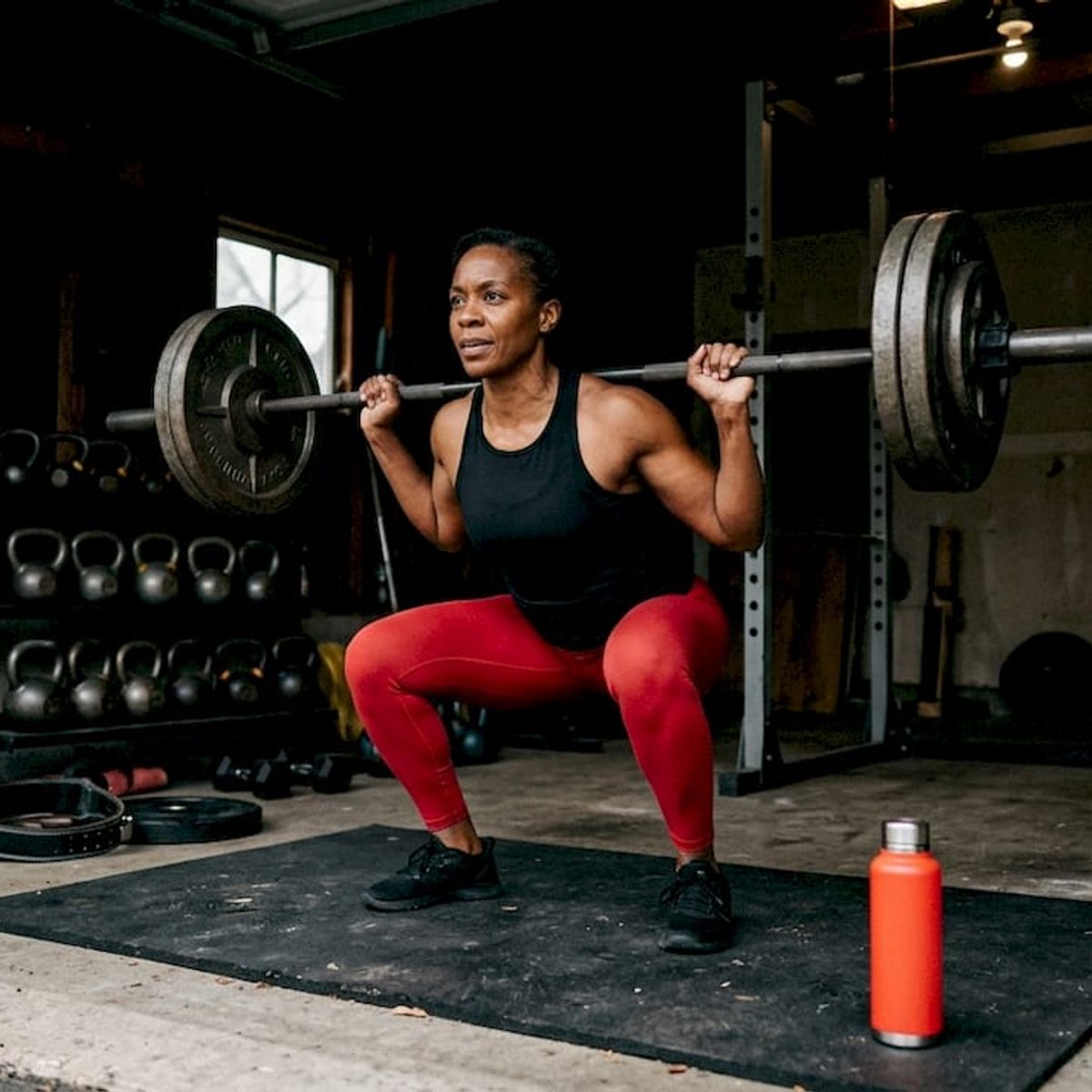
Hybrid Training Workout Examples: Build Strength and Endurance
What is hybrid training, and what does a workout actually look like?
Hybrid training is the structured combination of strength and endurance work within the same program, and often within the same session. You lift heavy, you run, you do both, and you do it in a way that’s deliberately designed so one doesn’t wreck the other. The goal isn’t to be the best powerlifter or the fastest runner. It’s to be genuinely capable at both.
A hybrid training program typically pairs compound lifts like squats, deadlifts, and bench press with cardio modalities such as running, cycling, or rowing. The mix varies by goal, but the structure is always intentional.
Practical hybrid training workout examples:
- Strength-first double session: Morning heavy squat and deadlift, evening easy 30-minute run (6+ hours apart)
- Upper body plus cardio: Bench press, barbell rows, overhead press followed immediately by 20 minutes of cycling
- Full-body circuit: Kettlebell swings, goblet squats, push-ups, and box jumps alternated with 400-meter runs
- Thruster complex: Barbell thrusters (squat to overhead press), pull-ups, and rowing intervals in one session
- Zone 2 plus lift: 45-minute easy cycling followed by lower-body hypertrophy work (leg press, Romanian deadlifts, lunges)
- HIIT hybrid: 5 rounds of 10 heavy deadlifts paired with 200-meter sprints, rest 2 minutes between rounds
The key tension in any hybrid program is the interference effect: endurance training can blunt strength and hypertrophy gains when volume and sequencing aren’t managed carefully. Hybrid training averaged 128 minutes per week in one study versus 187 minutes for fully separated strength and endurance sessions, making it genuinely time-efficient when programmed well.
How to structure your hybrid training splits by week
Most recreational hybrid athletes train 5–6 days per week, balancing 3 strength sessions with 3–4 cardio sessions and at least one full rest day. The exact split depends on your goal, but the scheduling logic stays consistent.
Simple 5-day split (beginner to intermediate):
- Monday: Lower body strength (squat, deadlift focus)
- Tuesday: Easy 30–40 minute run or cycle
- Wednesday: Upper body strength (press, pull, row)
- Thursday: Moderate cardio (45 minutes, conversational pace)
- Friday: Full-body strength or hypertrophy
- Saturday/Sunday: One long easy run, one full rest day
Advanced 6-day split (strength priority):
- Monday: Heavy lower body strength + easy 30-minute run (AM/PM, 6+ hours apart)
- Tuesday: Tempo run or interval session
- Wednesday: Upper body strength
- Thursday: Easy 40-minute run
- Friday: Lower body hypertrophy
- Saturday: Long easy run (60–90 minutes)
- Sunday: Rest
Two scheduling rules drive most of the results. First, separate sessions by at least 6 hours when doubling up on the same day. Second, always do strength before endurance in a combined session. Research consistently shows strength-first protocols produce better neuromuscular adaptations than cardio-first ones. Pair your hardest sessions together (heavy lift day with an easy run), and keep hard interval runs away from heavy squat or deadlift days.
How to design a hybrid program for your goal and experience level
Program design changes significantly based on where you’re starting and what you’re chasing. The table below maps common goals to weekly structure.
GoalStrength sessions/weekCardio sessions/weekWeekly mileageKey focus
General fitness (beginner)
2–3
2–3
10 miles
Movement quality, aerobic base
Fat loss
3
3–4
15 miles
Caloric output, compound lifts
Strength focus
3–4
2–3
20–35 miles
Heavy compound lifts, easy cardio
Endurance racing
2–3
4–5
35 miles
Maintain strength, race-specific running
Beginner approach: If you’re coming from a pure lifting background, add two easy runs per week, 20–30 minutes each at a pace where you can breathe through your nose. Don’t change your lifting program for the first month. If you’re coming from running, add two full-body strength sessions focused on squat, deadlift, bench press, and row. Start conservative with weights.
Intermediate and advanced: Volume management becomes the central challenge. Adding endurance sessions requires proportional reduction in strength volume, and vice versa. A dedicated lifter runs 20+ sets per muscle group weekly; a hybrid athlete targets 12–16 working sets per muscle group. Your running mileage will be lower than a dedicated runner’s. That trade-off is the point.
Block periodization works well here. Use focused 4–6 week blocks that prioritize either strength or endurance while maintaining the other at reduced volume. You don’t peak both qualities simultaneously. You cycle emphasis, which is how athletes like Nick Bare maintain a 500-pound deadlift while running sub-3-hour marathons.
Key principles and benefits of hybrid training
Core principles that actually matter:
- Session separation: Keep strength and endurance at least 6 hours apart when training twice daily
- Strength before endurance: Always lift first in a combined session to protect neuromuscular output
- Modality matching: Cycle or row on days adjacent to heavy leg work; running causes more eccentric damage than cycling or swimming
- Volume management: Keep weekly running under 35 miles while pursuing strength gains; interference scales with frequency and duration
- High-low pairing: Hard lift days pair with easy cardio; hard cardio days pair with light lifting or rest
Benefits you’ll actually notice:
- Improved cardiovascular health alongside muscular development
- Better body composition than single-mode training for most people
- Reduced injury risk from balanced muscular development and aerobic recovery capacity
- Higher metabolic rate from combined muscle mass and aerobic fitness
Pro Tip: Shift emphasis every 4–6 weeks rather than chasing both qualities simultaneously. During a strength block, run easy miles only. During an endurance block, drop to maintenance lifting volume. This prevents burnout and keeps long-term progress moving in both directions.
Nutrition and recovery are non-negotiable in hybrid training. Protein intake of 2.0–2.4g per kilogram of body weight daily supports muscle retention during high cardio periods. Sleep and rest days aren’t optional. Advanced hybrid athletes maintain at least a 48-hour gap between heavy lower-body lifting and intense interval cardio to allow glycogen replenishment and tissue repair.
What the science says about managing strength and endurance together
The interference effect is real, but it’s also manageable. The Wilson et al. 2012 meta-analysis of 21 studies found that strength gains in concurrent training were attenuated compared to strength-only training, with power development showing the largest gap. The interference isn’t fixed, though. It scales with modality, frequency, and duration of endurance work.
Endurance modalityInterference levelPrimary reason
Running
Highest
Eccentric loading, high mechanical stress on leg musculature
Cycling
Moderate
Concentric-dominant, lower impact, less eccentric damage
Rowing/swimming
Lowest
Different primary musculature, minimal leg eccentric stress
Eccentric muscle damage from running is the main structural recovery limiter in concurrent training. It’s why a heavy squat day followed by a hard interval run the next morning consistently produces worse results than the same two sessions separated by 48 hours or swapped for a cycling session.
Pro Tip: Track strength using a fixed-load velocity test weekly. Perform 3 reps of your primary lower-body lift at 75% of your estimated 1RM and record mean concentric velocity. Velocity-based monitoring detects strength changes before your 1RM drops, giving you time to adjust volume before you lose ground.
Hybrid training success depends more on managing total training volume within your recovery capacity than on any absolute incompatibility between strength and endurance. Most programs fail because people stack two complete programs instead of trimming both.
What equipment do you actually need for hybrid training?
You don’t need much to get started, but a few tools make programming significantly easier.
Strength side: A barbell, squat rack, and set of plates cover the foundational compound lifts. Dumbbells and kettlebells add variety for accessory work and circuit-style sessions. Resistance bands are useful for warm-ups and lower-intensity recovery days.
Cardio side: A rowing machine or stationary bike is the most hybrid-friendly cardio equipment you can own, precisely because cycling and rowing produce lower interference than running. If you run outdoors, a GPS watch helps you track pace and keep easy runs genuinely easy. Most people run too hard on their “easy” days, which compounds fatigue heading into the next lift.
Tracking: A simple training log, whether a notebook or an app, is the one piece of equipment most people skip and most regret skipping. Logging both your lifts and your cardio sessions side by side is the only way to spot patterns in fatigue, stagnation, or overreaching before they become injuries. You can also use Level Up Gym’s free fitness calculators to estimate your TDEE and macros as training volume shifts between blocks.
Level Up Gym brings hybrid training to life in Connecticut
Knowing the principles is one thing. Having a structured environment where the programming is already built, the coaching is on the floor, and the community is training the same way you are is a different experience entirely.
Level Up Gym in Stratford and Bridgeport, CT runs dedicated hybrid training programs that combine strength work and conditioning in a format designed for adults who want real results in both areas, not just a cardio class with some dumbbells thrown in. The programming accounts for session sequencing, volume management, and the interference principles covered in this article. Coaches at Level Up Gym understand concurrent training, not just one side of it. If you’re in Connecticut and ready to train with structure and intensity, visit the Stratford location or check out the full program lineup to find the right fit and book your first session.
FAQ
What is hybrid training in simple terms?
Hybrid training combines strength exercises and endurance cardio in the same program, often in the same session, to develop both muscular strength and aerobic fitness simultaneously.
How many days a week should a hybrid athlete train?
Most hybrid athletes train 5–6 days per week, with 3 strength sessions and 3–4 endurance sessions, plus at least one full rest day to support recovery.
Does running hurt strength gains in hybrid training?
Running produces more interference with strength gains than cycling or swimming because of its high eccentric muscle damage. Keeping weekly running volume under 35 miles and separating run days from heavy leg sessions reduces this effect significantly.
Should I lift before or after cardio in a hybrid session?
Always lift before cardio in a combined session. Research shows strength-first protocols preserve neuromuscular adaptations better than cardio-first approaches.
How do I track progress in hybrid training?
Log both your lifts and cardio sessions weekly. A fixed-load velocity test on your primary lower-body lift detects strength changes before your 1RM drops, giving you an early signal to adjust volume or recovery.
Key Takeaways
Hybrid training works best when you manage total volume across both modalities, sequence sessions intelligently, and shift emphasis between strength and endurance in focused blocks rather than chasing both simultaneously.
PointDetails
Session separation matters
Separate strength and endurance sessions by at least 6 hours to reduce the interference effect.
Lift before you run
Strength-first protocols consistently produce better neuromuscular adaptations than cardio-first ones.
Modality changes interference
Running causes the highest interference with strength gains; cycling and rowing cause significantly less.
Volume is the real limiter
Keep weekly running under 35 miles while pursuing strength; add endurance sessions by trimming strength volume proportionally.
Level Up Gym
Level Up Gym’s hybrid training programs in Stratford and Bridgeport, CT apply these principles with structured coaching and programming.
Recommended
- How to Balance Strength and Cardio Sessions Effectively — Level Up Gym | Level Up Gym
- How to Combine Cardio and Weight Training Effectively — Level Up Gym | Level Up Gym
- Hybrid Gym Explained: Your Complete 2026 Guide — Level Up Gym | Level Up Gym
- Hybrid Training Programs | Level Up Gym Connecticut | Level Up Gym