Hybrid Gym Explained: Your Complete 2026 Guide
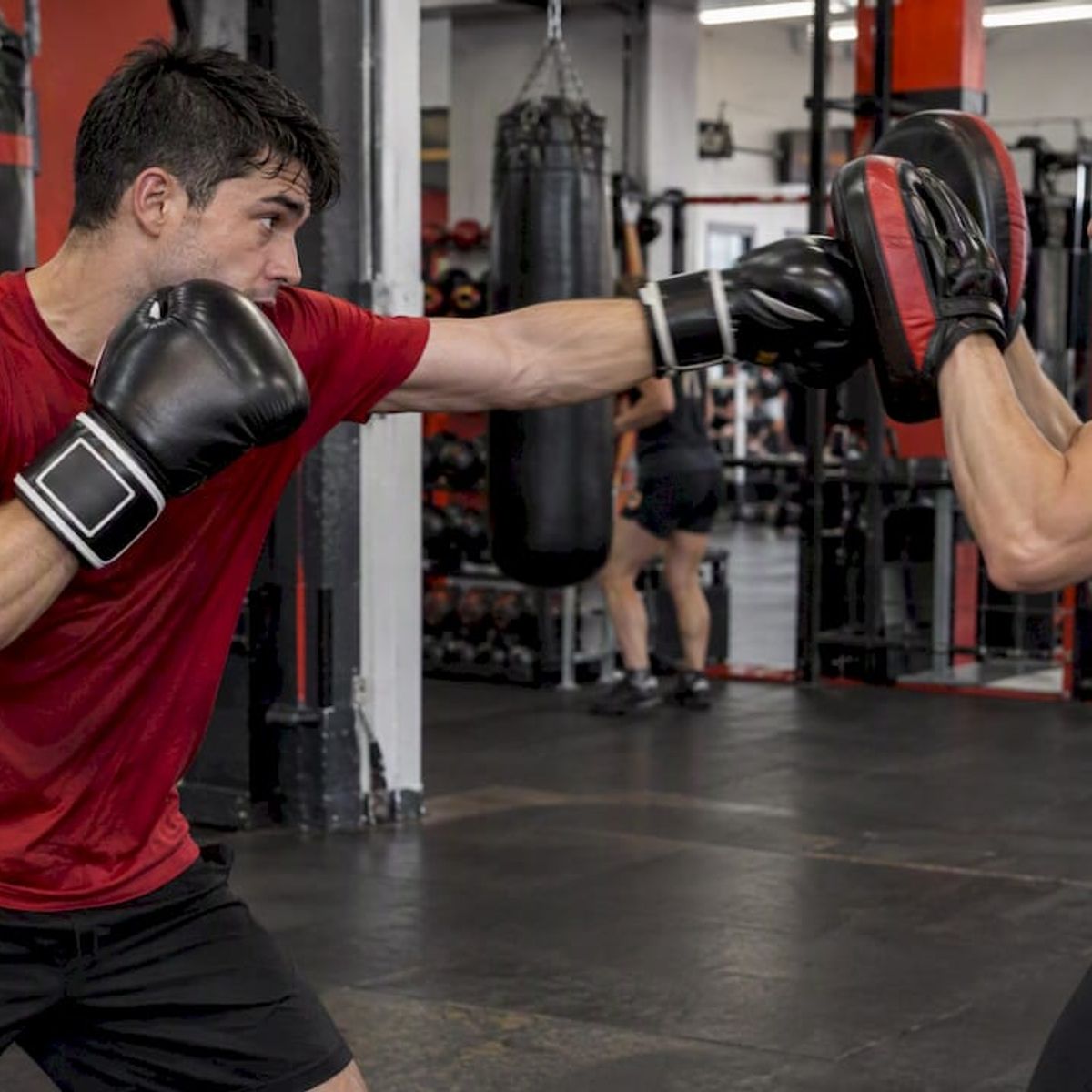
A hybrid gym is defined as a fitness model that combines a physical training space with digital tools, including apps, wearables, and remote coaching, to deliver flexible, continuous, and personalized workouts. The model covers strength, cardio, and mobility training under one connected system. For fitness enthusiasts who want consistent progress regardless of schedule disruptions, travel, or life changes, the hybrid gym model is the most practical structure available in 2026. Level Up Gym, based in Stratford and Bridgeport, CT, operates exactly this model, blending in-person boxing and strength training with digital coaching support.
What is a hybrid gym, and how does it work?
A hybrid gym is not simply a gym that offers an app on the side. The defining feature is a connected ecosystem where your in-person sessions, remote workouts, and coaching feedback all feed into one continuous training experience. Nothing resets when you miss a session or travel for a week.
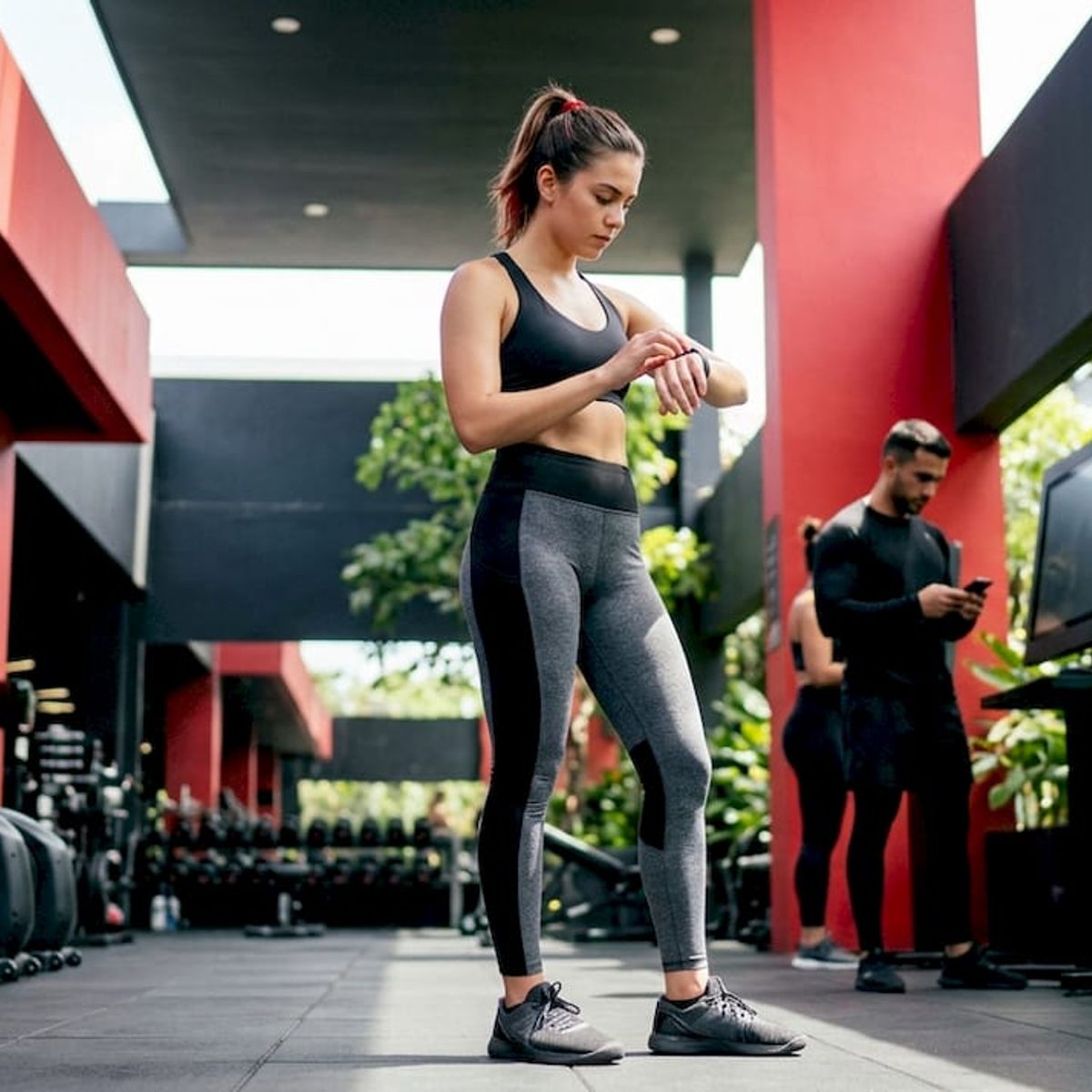
The physical side covers what you expect: free weights, cardio equipment, and dedicated space for movement work. The digital side is where the model earns its name. Apps track attendance and performance. Wearables feed data back to coaches. Remote sessions replace in-person visits when needed, without losing program continuity. Hybrid gyms use digital tools like apps and wearables to maintain training continuity and habit loops outside of physical gym visits.
What separates a true hybrid gym from a gym that sells an app subscription is integration. Booking, messaging, workout planning, and progress tracking all live in one platform. That unified experience is what keeps members consistent when life gets in the way.
Core components of the hybrid model
The hybrid gym model runs on three layers working together:
- Physical facility: Free weights, resistance machines, cardio equipment, and open floor space for mobility and boxing or functional movement work
- Digital tools: A training app with guided sessions, a wearable or heart rate monitor for real-time data, and a communication channel between member and coach
- Remote coaching: A coach who reads your data, soreness reports, and attendance patterns, then adjusts your program before problems compound
Each layer depends on the others. Remove the coaching layer and you have a gym with an app. Remove the physical layer and you have an online training service. The hybrid gym model requires all three to function as designed.
How does hybrid training combine strength, cardio, and mobility?
Hybrid training combines resistance training with cardiovascular conditioning for overall health benefits without blunting strength gains. That balance is the core of what makes the model work for long-term fitness, not just short-term results.
A standard weekly structure for recreational trainees looks like this:
- Monday: Strength session focused on compound movements, legs, push, and pull patterns
- Tuesday: Moderate cardio, 30–45 minutes at a conversational pace, or active recovery
- Wednesday: Strength session targeting upper body and hinge patterns
- Thursday: Cardio or conditioning work, such as boxing rounds or interval training
- Friday: Full-body strength session with loaded carries and core work
- Saturday: Longer, lower-intensity cardio or a group class
- Sunday: Rest or 10–15 minutes of mobility work focused on joint health
For recreational trainees, 2–4 strength and 2–3 cardio sessions weekly represent the recommended balance. That range gives enough stimulus for adaptation without accumulating fatigue that derails consistency.
Mobility is the piece most fitness enthusiasts skip, and it is the piece that determines how long you can train without injury. Adults 35 and older benefit from 10–15 minutes of daily mobility focused on joint health as a standard practice. That is not a warmup. It is a dedicated block that keeps your hips, shoulders, and thoracic spine functional under load.
Pro Tip: Schedule your mobility work at the end of your last session of the week, when your tissues are warm and you are less likely to skip it. Ten minutes then is worth more than a skipped 30-minute session on Sunday morning.
The science behind combining these three modes is straightforward. Balanced aerobic and resistance work outperforms one-dimensional training long-term for longevity and health markers. Specializing in only strength or only cardio produces faster short-term results in that one area, but it creates gaps in functional capability that show up as injury, stiffness, or poor metabolic health over time. Learning how to balance strength and cardio is one of the most practical skills a fitness enthusiast can develop.
What are the benefits of hybrid gyms compared to traditional gyms?
Traditional gyms offer equipment and space. Hybrid gyms offer equipment, space, and a system that keeps you training when the gym is not accessible. That difference is significant for anyone with a demanding schedule.
The primary benefit is consistency. Hybrid gyms prioritize friction reduction using technology for personalized guidance and a smooth transition between home and gym environments. When the barrier to training drops, training frequency rises. Frequency is the single biggest driver of long-term fitness results.
Additional benefits include:
- Data-driven personalization: Coaches adjust your program based on wearable data, not guesswork. If your recovery scores drop, your next session gets modified before you overtrain.
- Travel continuity: A remote session replaces an in-person visit without losing program momentum. Your training history stays intact.
- Accountability without pressure: Regular check-ins through the app create accountability that a traditional gym membership cannot replicate.
- Broader fitness development: The built-in balance of strength, cardio, and mobility produces better functional outcomes than a program focused on one mode alone.
“Members value support more than equipment quantity. The experience of feeling guided and seen matters more than having access to the most machines.” This finding from research into hybrid gym member preferences explains why members value frictionless experiences over fancy gear. A well-coached hybrid program at a modest facility beats an unsupported membership at a large commercial gym every time.
How to make the most of a hybrid gym membership
The biggest mistake fitness enthusiasts make with a hybrid membership is overcomplicating the home side of the setup. Effective hybrid gym setups focus on a dependable minimum equipment collection supporting core movements rather than flashy gear. A set of adjustable dumbbells, a resistance band, and a pull-up bar cover legs, push, pull, hinge, carry, and conditioning patterns. That is enough.
Pro Tip: Build your home setup around the six core movement patterns: squat, hinge, push, pull, carry, and condition. If a piece of equipment does not serve at least two of those patterns, it is not worth the space.
Here is how to structure your hybrid membership for real results:
- Start with your in-person sessions. Build your strength blocks at the gym first. These sessions are your highest-quality training stimulus and should anchor your week.
- Use remote sessions for cardio and conditioning. These translate well to home environments and require minimal equipment.
- Keep mobility work daily and short. Ten minutes every morning or evening compounds into significant joint health gains over months.
- Let your coach read the data. Coaches interpret wearable data, soreness reports, and attendance to proactively adjust plans. Your job is to log honestly. Their job is to respond to what the data shows.
- Choose an app that reduces decisions, not adds them. Fitness apps should reduce decision fatigue with clear, guided sessions rather than overwhelming you with choices. If you spend more than two minutes deciding what to do, the app is working against you.
The most common pitfall is treating the digital tools as optional extras. Fitness enthusiasts who skip logging, ignore recovery scores, or avoid communicating with their coach lose the core advantage of the hybrid model. The system works because the data loop is closed. Break the loop and you are paying for a traditional gym membership with extra steps.
Setting clear fitness goals from the start of your hybrid membership gives your coach the context needed to build a program that actually fits your life, not a generic template.
Key Takeaways
A hybrid gym delivers consistent, personalized fitness progress by connecting physical training, digital tools, and remote coaching into one uninterrupted system.
PointDetails
Hybrid gym definition
A connected model combining in-person training, apps, wearables, and remote coaching into one system.
Recommended training balance
Recreational trainees benefit from 2–4 strength and 2–3 cardio sessions weekly, plus daily mobility work.
Friction reduction drives consistency
Technology that simplifies transitions between home and gym keeps training frequency high.
Minimum home setup wins
Core movement patterns covered by basic equipment outperform complex home gyms for adherence.
Coach role is proactive
Hybrid coaches adjust programs based on data before problems develop, not after you report them.
Why hybrid gyms are the fitness model that actually sticks
I have watched fitness trends come and go for years. Hybrid training is not a trend. Hybrid training is now viewed as a permanent operating model for gyms, with coaching success measured by long-term habit formation rather than short-term performance spikes. That shift in how success is defined changes everything about how a good gym operates.
What I find most compelling about the hybrid model is what it does to the coaching relationship. The coach stops being a person you see twice a week and starts being someone who is actively watching your data between sessions. That is a fundamentally different level of support. It is closer to having a sports medicine team than a personal trainer.
The fitness enthusiasts I see struggle most are the ones chasing intensity over consistency. A hybrid gym, done right, is designed to prevent that mistake. The structure forces balance. The data makes overtraining visible before it becomes injury. The remote options remove the excuse of a missed gym day becoming a missed week.
My honest view is that if you are serious about fitness as a long-term practice rather than a short-term project, the hybrid model is the only structure that accounts for real life. Schedules change. Travel happens. Motivation fluctuates. A system built to absorb those disruptions without losing momentum is not a luxury. It is the baseline requirement for sustainable progress.
— Malcolm
Level Up Gym’s hybrid training programs in Connecticut
Level Up Gym in Stratford and Bridgeport, CT brings the hybrid model to life with programs that combine in-person boxing and strength training with remote coaching and digital tracking. The gym is built for fitness enthusiasts who want structure, accountability, and results that hold up outside the gym walls.
The hybrid training programs at Level Up Gym cover strength, cardio, and mobility in a balanced weekly structure supported by coaches who monitor your progress and adjust your plan based on real data. Whether you train primarily in-person or need the flexibility of remote sessions, the program adapts to your schedule without losing continuity. For those who want fully remote support, online personal training is also available. Reach out to Level Up Gym to find the program that fits your current fitness level and goals.
FAQ
What is a hybrid gym membership?
A hybrid gym membership gives you access to both in-person training facilities and digital tools, including remote coaching, a training app, and wearable integration, so your program continues uninterrupted regardless of where you train.
How is a hybrid gym different from a traditional gym?
A traditional gym provides equipment and space. A hybrid gym adds a connected coaching system that tracks your data, adjusts your program remotely, and keeps your training consistent during travel or schedule changes.
What equipment do you need for a hybrid gym home setup?
A dependable minimum setup covering the six core movement patterns, squat, hinge, push, pull, carry, and conditioning, is all you need. Adjustable dumbbells, resistance bands, and a pull-up bar cover those patterns effectively.
Who benefits most from hybrid training?
Adults with variable schedules, frequent travelers, and fitness enthusiasts over 35 who need to balance strength, cardio, and joint health all benefit significantly from the hybrid training model.
How many days a week should you train in a hybrid gym program?
Recreational trainees perform best with 2–4 strength sessions and 2–3 cardio sessions per week, plus 10–15 minutes of daily mobility work for joint health and long-term functional fitness.
Recommended
- Hybrid Training Programs | Level Up Gym Connecticut | Level Up Gym
- How to Balance Strength and Cardio Sessions Effectively — Level Up Gym | Level Up Gym
- What Is Full Body Training? A Complete Guide — Level Up Gym | Level Up Gym
- What Is Metabolic Conditioning and Why It Works — Level Up Gym | Level Up Gym