
Private Fitness Explained: Costs, Formats & How to Choose
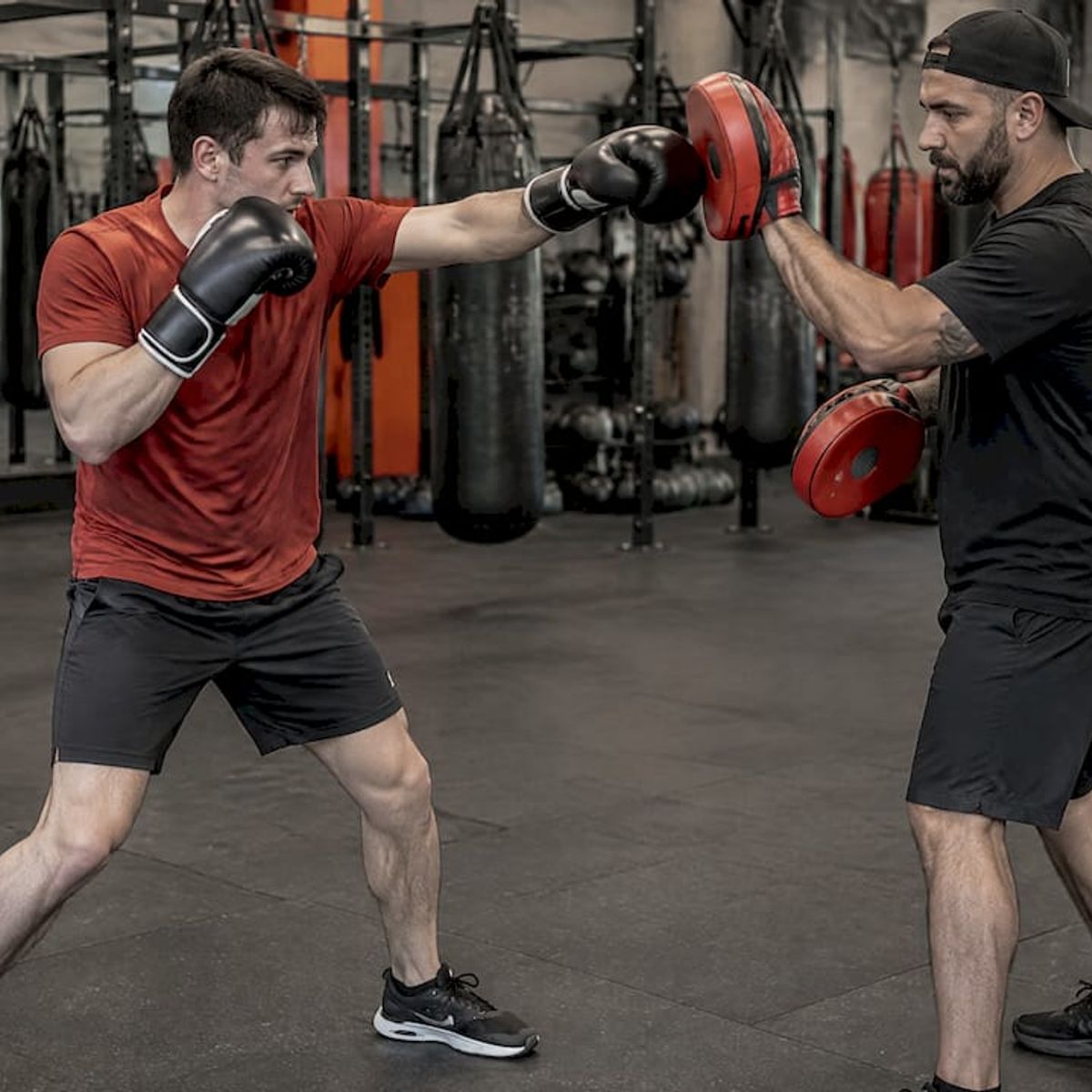
Private fitness means coach-led training built around one person or a small, fixed group, whether that’s a 1:1 session, a semi-private pod of two or three, or a hybrid mix of in-person and virtual coaching. A single session with a certified trainer typically runs within a moderate to high range depending on your market and the coach’s experience, and providers worth your time carry credentials from bodies like NASM, ACE, or ACSM and offer some kind of assessment before you commit. If you’re trying to decide whether this is worth it, the fastest way to find out is to book a trial or consultation with a provider like Level Up Gym, sit through an actual movement screen, and see what a proposed program looks like before you sign anything.
That first conversation should cost you nothing and take about 30 minutes. A legitimate provider walks you through your goals, checks your movement patterns, and tells you honestly whether 1:1, semi-private, or a hybrid plan fits your budget and your body. If they skip straight to a sales pitch without ever assessing you, that’s your answer.
Key Takeaways
Private fitness works best as a flexible mix of 1:1, semi-private, and hybrid coaching chosen for what you’ll actually sustain, not just what sounds most exclusive.
PointDetails
Definition
Private fitness is coach-led training delivered 1:1, semi-private, or through hybrid in-person/online formats.
Cost range
Expect $40 to $150 per one-on-one session nationally, or $20 to $60 per person for semi-private training.
Best for
Beginners, time-pressed adults, and anyone managing pain or rehab benefit most from coach-led programming.
Choosing a provider
Confirm certifications like NASM or ACE, ask about assessments, and request a free trial before committing.
Level Up Gym approach
Level Up Gym blends small-group accountability with private coaching across a no-contract, trial-friendly model in Stratford and Bridgeport, CT.
Table of Contents
- What Does Private Fitness Actually Include?
- Which Training Format Fits Your Schedule?
- What Results Should You Expect, and When?
- How Much Does Private Fitness Actually Cost?
- How Do You Vet a Private-Fitness Provider?
- What Happens During Your First Session?
- Semi-Private or One-on-One: Which Should You Choose?
- Why Coaching Consistency Beats Occasional Intensity
- What Nobody Tells You About the 1:1 Premium
- Ready to Try Private or Small-Group Coaching?
- Sources
- FAQ
What Does Private Fitness Actually Include?
Most private-fitness providers build their menu around a handful of core services, and understanding what each one does helps you ask for the right thing instead of guessing.
- Personal training — one-on-one sessions with a dedicated coach who designs your program, corrects your form in real time, and adjusts intensity week to week.
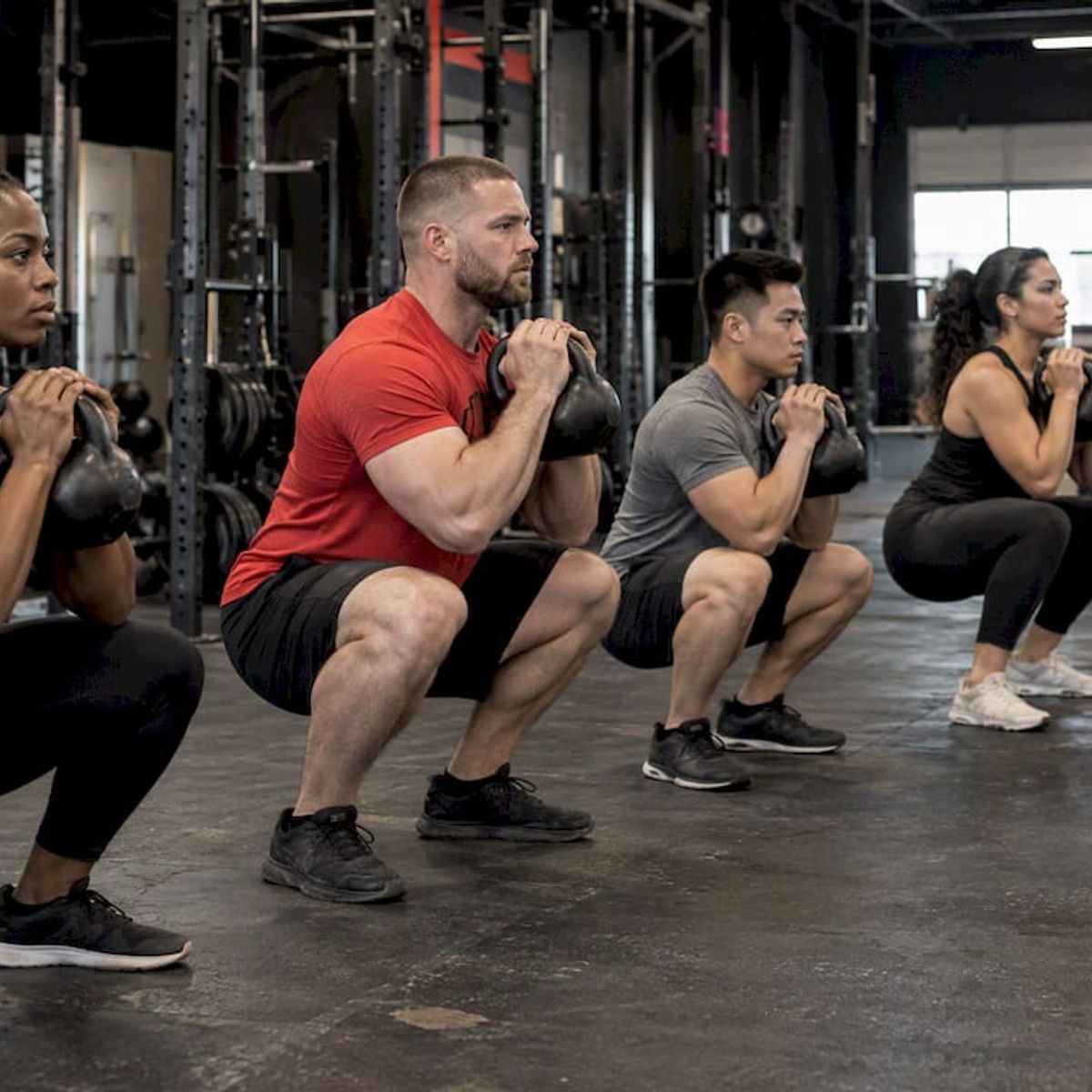
- Small-group or semi-private training — two to six people sharing a coach and a program, splitting the cost while keeping individual attention.
- Pilates reformer sessions — low-impact, equipment-based work focused on core control, posture, and joint-friendly strength building.
- Mobility, stretching, and wellness coaching — sessions built around recovery, flexibility, and pain reduction rather than pure strength or conditioning.
- Nutrition coaching and meal planning — guidance on eating patterns that support your training goals, often bundled with a training package rather than sold alone.
- Online or virtual coaching — remote programming and check-ins, sometimes paired with occasional in-person sessions.
These categories blend together more often than not. A client doing semi-private strength training might also get a nutrition check-in every two weeks, and a lot of hybrid training programs bundle mobility work directly into the main session rather than selling it separately. What separates a serious provider from a gym floor employee handing out generic plans is the presence of a real intake process. A private training studio worth choosing gives you undivided attention, a judgment-free environment, and some kind of baseline assessment before your first real workout, not just a treadmill orientation.
Which Training Format Fits Your Schedule?
The delivery format matters almost as much as the coaching itself, because the best program on paper is worthless if you can’t actually show up for it.
In-person private studio sessions put you in a dedicated space, usually with better equipment access and fewer distractions than a commercial gym floor. This format suits people who want maximum focus and don’t mind traveling to a location.
In-home personal training brings the coach to you, which works well for busy parents, older adults who want privacy, or anyone recovering from an injury who’s more comfortable in a familiar space. Expect to pay a premium for the coach’s travel time.
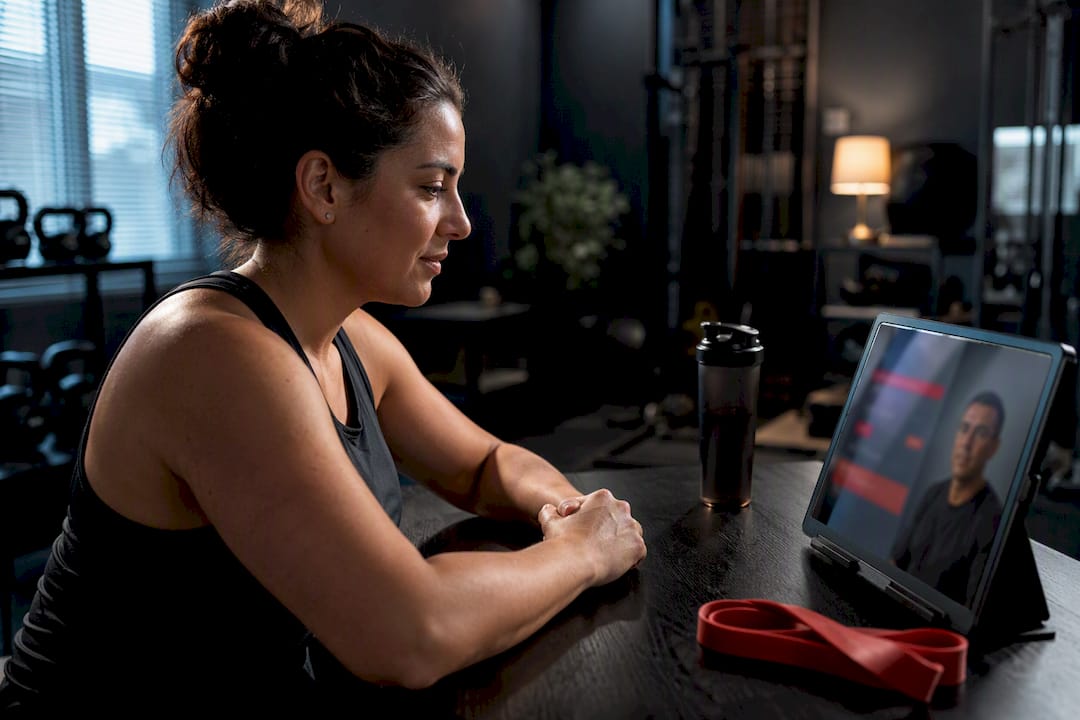
Live virtual coaching happens over video call, with the trainer watching your form and adjusting your program in real time. Frequent travelers and people in areas without strong local options lean on this format most.
Hybrid models combine in-person sessions with virtual check-ins or app-based programming, giving you expert oversight without paying for a coach’s physical presence every single time.
A beginner nervous about gym culture usually does best starting in-person, where a coach can catch form breakdowns immediately. Someone rehabbing a shoulder injury often prefers in-home sessions for comfort and control. A busy professional who travels three weeks a month gets the most value from virtual or hybrid coaching, since consistency matters more than location.
Pro Tip: Run a hybrid plan: one or two in-person sessions a month for form checks and program updates, with virtual check-ins or app-based workouts filling the gaps. You keep expert oversight without paying full 1:1 rates for every single session.
What Results Should You Expect, and When?
People choose private fitness for four main outcomes: cleaner movement quality, faster skill acquisition, better consistency, and measurable progress in strength or body composition. A coach watching your form in real time catches compensation patterns you’d never notice on your own, and that alone shortens the learning curve on complex lifts by months compared to going it alone.
Timelines matter more than most people expect. By week four, most clients notice better exercise technique and slightly less soreness after sessions, but visible body-composition change is rare this early. By week eight, strength gains become measurable on a lifting log, and energy levels typically improve. By week twelve and beyond, body-composition changes usually become visible, and this is also where adherence separates people who keep going from people who quit.
That last point matters more than any single workout, which is why maintaining training consistency and functional fitness is crucial for sustained progress. Practitioners who track why fitness plans fail point to a lack of long-term, sustainable commitment as one of the most common reasons adults never reach their goals, and consistent, affordable programming tends to beat short, expensive bursts over a full year. Beginners, people managing chronic pain, and time-pressed adults juggling work and family see the biggest relative benefit from private coaching, because a coach removes the guesswork that usually causes people to quit in month two.
How Much Does Private Fitness Actually Cost?
Price varies more by format and location than almost anything else, and understanding what drives that variation helps you spot a fair deal versus an inflated one.
A trainer’s certification level and specialization push prices up, especially for rehab-focused or sport-specific coaching. Session length matters too. A 30-minute session naturally costs less than a full hour. Facility type plays a role as well, since a boutique private studio with premium equipment charges more than a commercial gym floor slot. Location swings prices hardest of all: a session in a major metro can run double what the same format costs in a smaller city.
FormatTypical RangeNotes
One-on-one, commercial gym
$30–$60 per session
Trainer often splits revenue with the gym
One-on-one, private studio
$80–$150 per hour
Premium for space and undivided attention
In-home personal training
$80–$160 per hour
Premium reflects travel time
Semi-private (2–6 people)
$20–$60 per person
Cost drops as group size grows
Online coaching retainer
Monthly rate varies widely
Pricing depends on check-in frequency and access
National per-session averages for in-person, one-hour training land around $55 to $65, though realistic ranges stretch from $40 up past $300 depending on trainer level and market, a spread confirmed by a separate national average estimate near $70 with most people paying $40 to $150. For budgeting, picture two examples. A single client doing twice-weekly 1:1 sessions in a private studio might land in the $640 to $1,200 monthly range. A cost-conscious hybrid client doing one semi-private session weekly plus occasional 1:1 check-ins could keep monthly spending at a more affordable level.
How Do You Vet a Private-Fitness Provider?
Choosing a coach or studio comes down to checking a short list of things before you hand over your money, not after.
- Confirm the coach holds a recognized certification, such as NASM, ACE, ACSM, or NSCA, since the personal training field remains largely unregulated and credentials vary widely between providers.
- Ask what their assessment process looks like before your first paid session.
- Request a sample program or a description of how they typically structure a first month.
- Ask how often they measure progress and what metrics they track.
- Get clear, written answers on cancellation policy, package pricing, and whether a contract is required.
- Confirm whether a free trial or consultation session is available before you commit.
Beyond the checklist, a few direct questions on your first call tell you a lot: “What does a typical assessment involve?” “How do you adjust programming if I’m not progressing?” “Can I see an example of how you track results?” A provider who answers clearly and specifically is worth your time. Reviewing signs you might need a personal trainer beforehand also helps you walk in with a clearer sense of what to ask for.
Watch for red flags: a provider who skips any kind of assessment, pushes you toward a long-term contract before you’ve had a single session, or can’t point to any way they’ll measure whether the program is working. Transparent pricing and a willingness to let you try before you buy are the two biggest trust signals in this industry.
What Happens During Your First Session?
A well-run first visit follows a predictable structure, and knowing it in advance takes the anxiety out of walking in the door.
- Intake form. You’ll fill out health history, injury background, and current activity level before anything physical happens.
- Health screening. The coach reviews any conditions, medications, or limitations that affect programming.
- Movement screen. A short series of bodyweight movements shows the coach how you squat, hinge, push, and pull, and where mobility limits exist.
- Demo workout. A scaled-down session lets the coach watch you under light load and confirm the screen’s findings.
- Goal setting. You and the coach define what success looks like, whether that’s strength, weight loss, or pain reduction.
- Proposed program. The coach outlines a starting plan and how it’ll evolve over the first month.
Bring workout shoes, water, and a rough sense of your schedule availability, since program design depends heavily on how many days a week you can realistically train. Ask how they’ll track progress and how often you’ll formally review it. Most legitimate providers reassess every four to six weeks using the same screen or measurements from day one, which lets you compare apples to apples instead of guessing whether you’ve improved. Solid goal-setting practices going into that first conversation make the whole process sharper.
Semi-Private or One-on-One: Which Should You Choose?
This is the decision most people get wrong, usually by assuming more expensive automatically means better.
One-on-one training gives you complete programming customization and the coach’s full attention every second of the session. That’s worth a higher cost when managing complex injury, training for competition, or needing close form supervision. The tradeoff is cost, which can be significant for frequent sessions in private studio settings.
Semi-private training splits that cost across two to six people while keeping a real coach in the room. At $20 to $60 per person per session, a group of four training together can each pay a fraction of the 1:1 rate while still getting individualized cues and a program adjusted to their level. You also get built-in social accountability. People show up for a workout buddy in ways they won’t always show up for themselves alone. Level Up Gym’s small-group personal training format is built around exactly this tradeoff, individualized coaching without the full 1:1 price tag.
The decision rule is simple: choose semi-private when your goals are general fitness, weight management, or long-term consistency, since the community and lower cost per session support sticking with it for a full year. Choose 1:1 when you’re rehabbing an injury, training for a specific event with a deadline, or need programming precise enough that sharing coach attention would slow your progress.
Why Coaching Consistency Beats Occasional Intensity
There’s a real difference between a personal trainer and a personal coach, and it’s not just semantics. A trainer typically delivers the session in front of you. A personal coach builds the whole strategy around you, holistic programming, recovery management, nutrition guidance, and accountability between sessions, not just during them.
That distinction shows up directly in results. Clients who buy an expensive 1:1 package for six weeks and then stop training almost always lose ground faster than clients who keep showing up to a cheaper, consistent semi-private or hybrid program for a full year. The market data backs this up at scale: the U.S. personal training industry reached $15.6 billion in 2026, with online coaching as the fastest-growing segment, largely because hybrid delivery lets people maintain contact with a coach without the cost or scheduling friction of constant in-person sessions.
A minority of trainers capture a disproportionate share of industry revenue by shifting from single-session sales to ongoing coaching relationships, ones built on ongoing programming and accountability rather than one-off workouts.
Pro Tip: If budget is tight, don’t cut coaching entirely. Cut frequency instead. A hybrid plan with one 1:1 session monthly for form checks and a semi-private or app-based program filling the rest keeps you accountable without draining your budget. Building structured accountability into a plan you can actually sustain matters more than the intensity of any single session.
What Nobody Tells You About the 1:1 Premium
Most fitness content sells private training as the superior tier and treats semi-private as the consolation prize for people who can’t afford better. That framing is backward for most adults. Unless you’re rehabbing a specific injury or chasing a competitive deadline, the coach’s full undivided attention every single rep is not what determines whether you’re still training in month twelve.
What determines that is whether the price and schedule fit your life well enough that you keep showing up. A $150-per-session 1:1 package that gets abandoned in week five delivers worse results than a $40-per-session semi-private program a client sticks with for a year, even though the individual sessions were objectively less personalized. The industry’s own pricing structure hints at this: semi-private rates exist specifically because providers know consistency, not intensity, drives long-term outcomes.
The overlooked nuance is that a good coach should be pushing you toward the format you’ll actually sustain, not the one that bills the most. If a provider only ever pitches you their most expensive package regardless of your budget or schedule, that’s worth questioning. The best private-fitness relationships adjust format over time, starting semi-private for consistency, adding 1:1 sessions during a specific push, then dialing back once you’ve built the habit.
Ready to Try Private or Small-Group Coaching?
Level Up Gym runs on exactly the model this article just walked through: hybrid training that blends small-group accountability with private coaching, so you’re not stuck choosing between affordability and expert attention. Members can move between hybrid training programs, small-group personal training, and boxing and hybrid classes depending on what a given month calls for, and the 6-week beginner onramp exists specifically for people who’ve never trained with a coach before and don’t want to walk in guessing.
Level Up Gym operates out of Stratford and Bridgeport, CT, with programs also serving nearby Fairfield and Westport clients, and every membership option comes without a long-term contract. A free consultation and trial session are available before you commit to anything, and pricing and package details are laid out clearly once you book. If you’re ready to see what a real assessment and a proposed program look like, book your consultation at the Stratford location and find out firsthand.
Sources
- The 10 most common factors that sabotage fitness goals and how to overcome them
- The difference between a personal trainer and a coach
- How Much Does a Personal Trainer Cost? Complete pricing breakdown
FAQ
What Does a Private Gym Mean?
A private gym is a training space, or a training arrangement within a larger facility, that limits access to one client or a small fixed group at a time rather than an open gym floor. It typically emphasizes undivided coach attention, appointment-based scheduling, and a more controlled, judgment-free environment.
How Much Do Private Gym Sessions Cost?
One-on-one sessions typically run $40 to $150 nationally, with private studio and in-home sessions often landing between $80 and $160 per hour. Semi-private sessions cost less per person, usually $20 to $60, since the coach’s time and fee split across the group.
Is $400 a Month a Lot for a Personal Trainer?
It depends entirely on format and frequency. Monthly spending might reach the higher end of private-studio session rates or allow multiple semi-private sessions weekly. This makes it a reasonable, sustainable budget for most adults rather than an excessive one.
What Is the 3-3-3 Rule for Fitness?
Definitions of the 3-3-3 rule vary across fitness sources and it isn’t a standardized industry framework, so treat any specific version you encounter with caution rather than as an established rule.
Do I Need to Sign a Contract for Private Training?
Not necessarily. Providers like Level Up Gym offer no-contract membership and session options, letting you pay per package instead of locking into a long-term agreement.