Best Group Fitness Classes for Weight Loss: 2026 Guide
The most effective group fitness formats for weight loss are HIIT/metabolic conditioning, indoor cycling, bootcamp/circuit training, boxing and cardio kickboxing, small-group strength classes, dance fitness (Zumba and STRONG Nation), Pilates/Barre, and low-impact aquatics. Each works through a different combination of calorie burn, excess post-exercise oxygen consumption (EPOC), muscle preservation, and the social accountability that keeps you showing up week after week.
Here is the shortlist with a one-line rationale for each:
- HIIT/Metabolic conditioning: Produces the highest calorie burn per minute and triggers significant EPOC, extending fat oxidation for hours after class.
- Indoor cycling/Spin: High-output, joint-friendly cardio that burns substantial calories while protecting knees and hips.
- Bootcamp/Circuit training: Combines aerobic and resistance work in one session, the combination research consistently ranks highest for reducing abdominal fat.
- Boxing/Cardio kickboxing: Full-body, high-intensity work with proven adherence advantages over steady-state cardio and measurable cardiovascular benefits.
- Small-group strength/resistance classes: Preserves lean muscle during a calorie deficit, which protects your resting metabolic rate and makes fat loss sustainable.
- Dance fitness (Zumba/STRONG Nation): High adherence, genuine calorie burn, and a 16-week RCT showing significant fat-mass reductions in sedentary women.
- Pilates/Barre: Lower intensity but builds core strength, corrects movement patterns, and serves as essential active recovery between harder sessions.
- Low-impact/Aquatics: Ideal for joint issues or early-stage fitness; water resistance provides meaningful resistance training with near-zero impact.
Pro Tip: Try two or three different formats in your first four weeks before committing to a schedule. You will learn which classes you actually want to attend, and that preference is the single biggest predictor of long-term adherence.
Key Takeaways
The most effective approach to group fitness for weight loss combines high-intensity aerobic classes with at least one resistance-dominant session per week, attended consistently over 3–6 months alongside modest calorie control.
PointDetails
Combined training wins
Pairing aerobic and resistance classes produces better fat loss and muscle retention than either mode alone.
Group beats solo for adherence
Group interventions produced 1.9 kg more weight lost at 12 months and 1.58× higher odds of reaching 5% weight loss versus one-to-one formats.
Boxing delivers dual benefits
A 12-week boxing HIIT trial showed better body fat, VO2max, and adherence than brisk walking; six weeks of boxing also reduced blood pressure meaningfully.
Realistic timeline
Expect measurable changes in 8–12 weeks; visible body-composition improvements typically emerge at 3–6 months with consistent attendance and calorie control.
Level Up Gym
Hybrid programs in Stratford and Bridgeport, CT combine boxing, HIIT, and strength work with a 6-week beginner onramp and no-contract membership options.
Table of Contents
- Why group fitness classes outperform solo workouts for weight loss
- The top group fitness formats for weight loss, profiled
- How to combine class types in a weekly plan for fat loss
- How to choose the right group class for your body and goals
- Safety, scaling, and injury prevention in group classes
- What to realistically expect from group fitness classes
- How Level Up Gym puts these formats into practice
- Why mixing hard classes with habit-friendly ones is the real long-term strategy
- Try Level Up Gym’s hybrid group programs in Connecticut
- Sources
- FAQ
Why group fitness classes outperform solo workouts for weight loss
Group classes improve adherence and program structure, and those two factors drive better 12-month weight-loss outcomes than one-to-one formats in clinical trials. A systematic review and meta-analysis of seven RCTs with 2,576 participants found that group multi-component lifestyle interventions produced a mean difference of 1.9 kg more weight lost at 12 months compared with one-to-one formats, and participants were 1.58 times more likely to reach the clinically meaningful threshold of 5% body-weight loss.
The mechanisms behind that advantage are behavioral and physiological:
- Social accountability: Knowing others expect you to show up reduces the likelihood of skipping, especially on low-motivation days.
- Programmed progression: Instructors build intensity over weeks, removing the guesswork that causes most self-directed exercisers to plateau.
- Instructor-controlled intensity: A good coach pushes you past the comfortable pace you would choose alone, which is where calorie burn and EPOC actually happen.
- EPOC from high-intensity work: Vigorous aerobic and resistance sessions elevate oxygen consumption for hours post-workout, extending fat oxidation beyond the class itself.
- Lean-mass preservation from resistance work: Resistance training increases resting metabolic rate and preserves muscle during a calorie deficit, making weight-loss maintenance far more likely.
The accountability advantage is not just motivational folklore. It shows up consistently in the data as the variable that separates people who lose weight and keep it off from those who lose and regain.
The top group fitness formats for weight loss, profiled
1. HIIT and metabolic conditioning
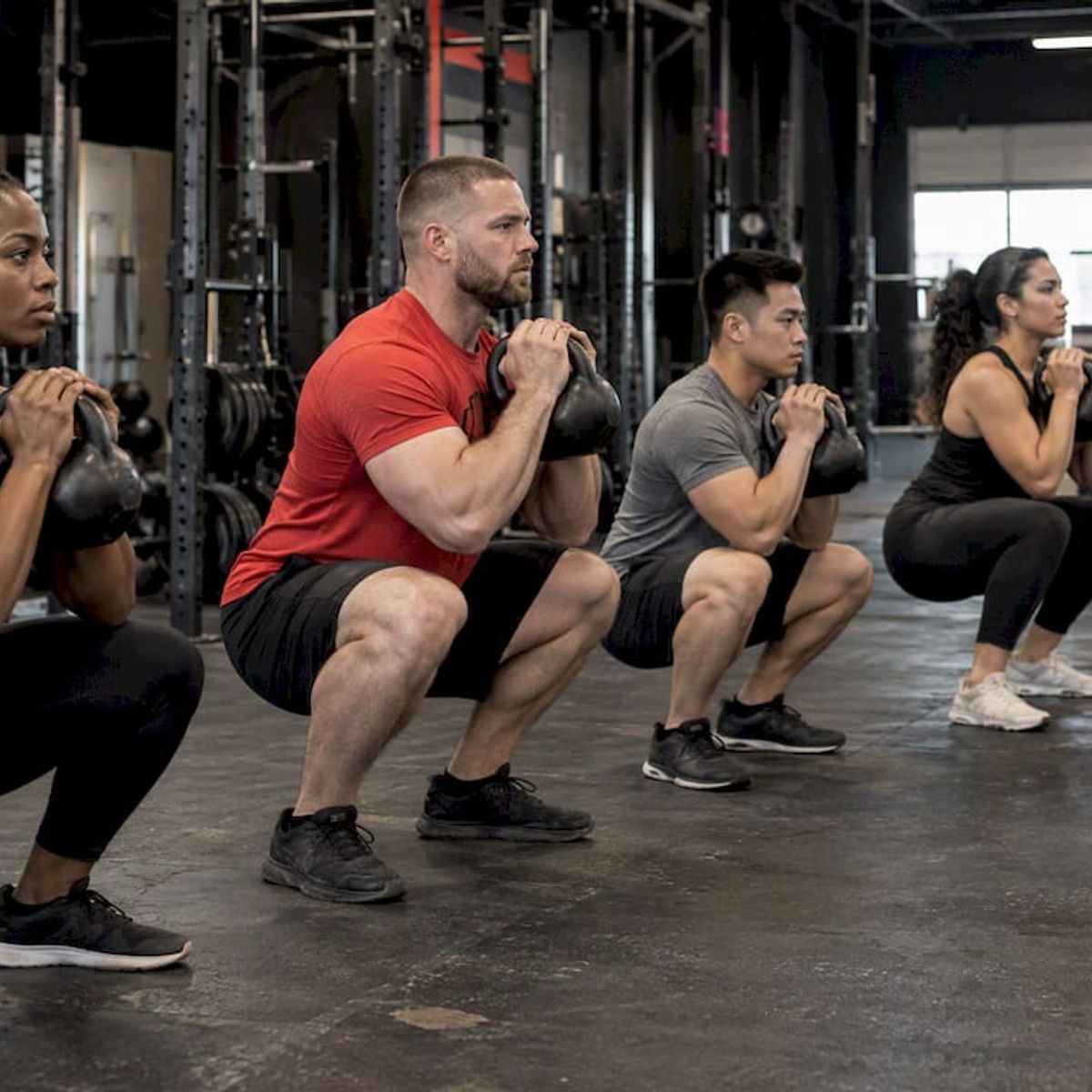
A HIIT class alternates short bursts of near-maximal effort with brief recovery intervals, typically in 30–60 minute sessions. You will see formats like Tabata, AMRAP circuits, and timed interval blocks using bodyweight, kettlebells, or dumbbells. Combined high-intensity aerobic and resistance training produces the largest reductions in abdominal adiposity and the greatest improvements in cardiorespiratory fitness among adults with obesity, and HIIT specifically has been shown to reduce waist circumference by up to 5.93 cm in some analyses.
Best for: Intermediate to advanced exercisers who want maximum calorie burn in minimum time. Beginners can join with modification guidance. Intensity: High (RPE 7–9 out of 10). Heart rate typically reaches 80–95% of maximum during work intervals. Equipment: Bodyweight, dumbbells, kettlebells, or resistance bands depending on the studio. Modification: Step instead of jump, reduce load, shorten work intervals. Where to find: Boutique studios, big-box gyms, community centers, and online platforms.
2. Indoor cycling (Spin)
A 45–60 minute ride on a stationary bike with a coach calling out resistance changes, sprints, and climbs. The format is almost entirely non-impact, which makes it one of the few high-intensity options that works for people with knee or hip issues. Calorie burn per session is substantial, and the group energy in a dark room with loud music is genuinely motivating in a way that a solo treadmill run rarely is.
Best for: All fitness levels, especially those with lower-body joint issues. Intensity: Moderate to high (RPE 6–9). Resistance is self-selected, so you control the actual load. Equipment: Stationary bike (provided by the studio). Modification: Reduce resistance; stay seated during standing climbs. Where to find: Boutique cycling studios, big-box gyms, and live-stream platforms.
3. Bootcamp and circuit training
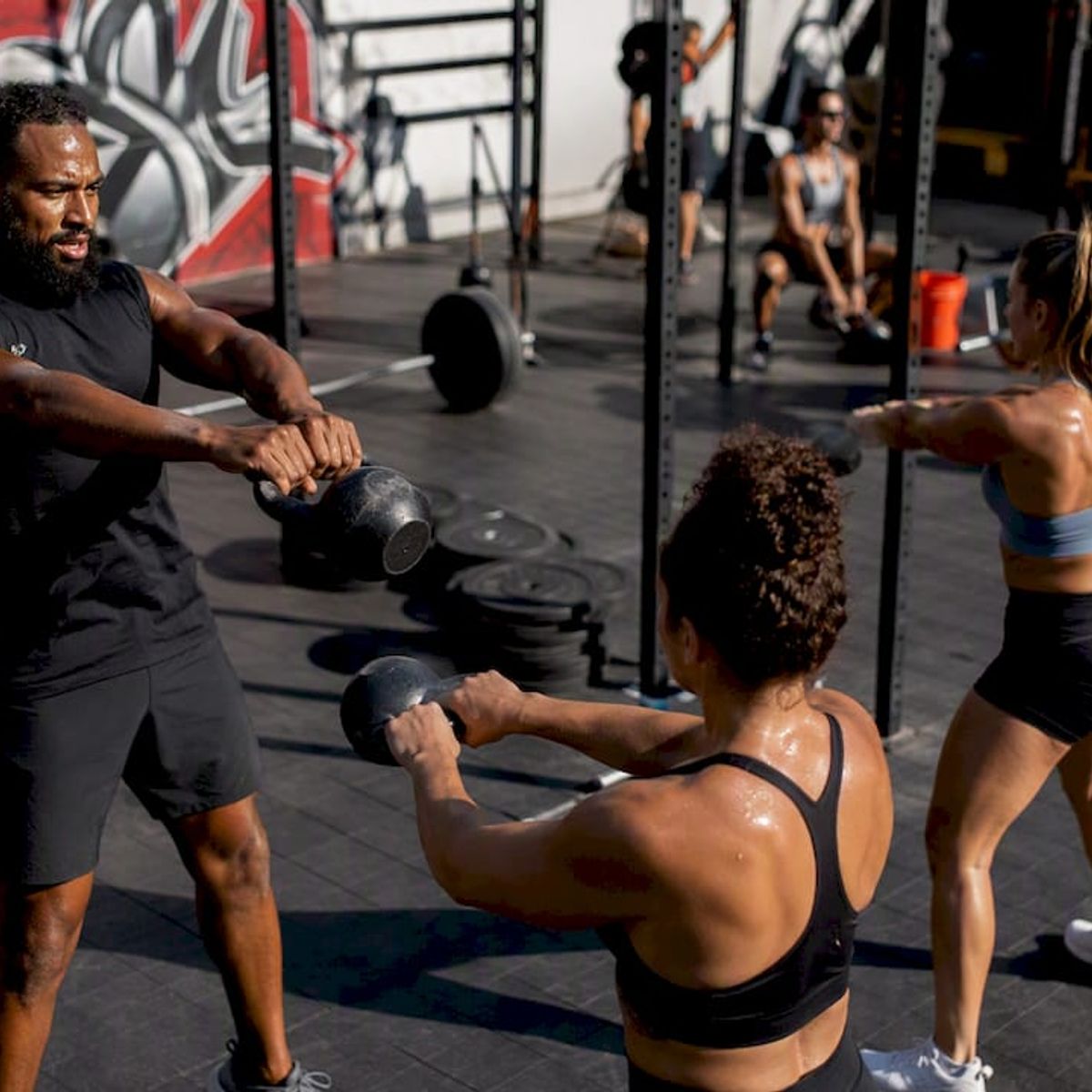
Bootcamp classes cycle participants through stations of strength and cardio exercises, usually with minimal rest between stations. The combination of aerobic and resistance work in a single session is the key advantage. A network meta-analysis of 32 RCTs found that combined high-intensity aerobic and high-load resistance training produces the best reductions in body fat percentage and improved VO2max compared with single-mode programs. Bootcamp delivers exactly that combination in a coached, social setting.
Best for: Beginners through intermediate; format is highly scalable. Intensity: Moderate to high (RPE 6–8). Equipment: Bodyweight, dumbbells, resistance bands, battle ropes, or sleds depending on the facility. Modification: Reduce load, swap plyometric moves for their static equivalents. Where to find: Big-box gyms, outdoor parks, community centers, and online.
4. Boxing and cardio kickboxing
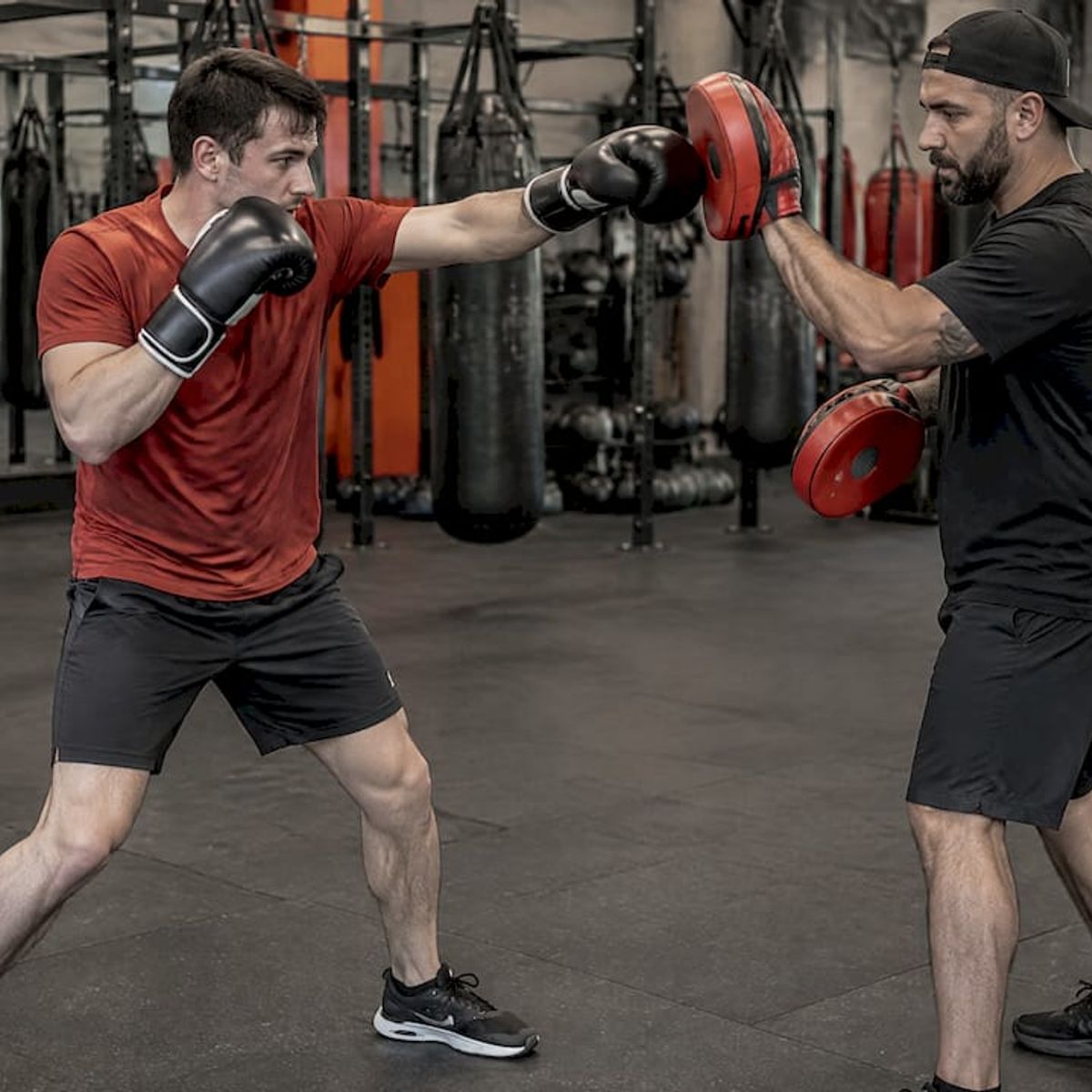
A boxing class combines footwork, punch combinations, defensive movement, and bag or pad work into a full-body session that is genuinely hard to replicate with any other format. A 12-week pilot RCT found boxing HIIT improved body fat percentage, VO2max, and adherence more than an equivalent-dose brisk-walking program in adults with abdominal obesity. Separately, six weeks of structured boxing training reduced peripheral and central blood pressure and improved vascular function in young adults with elevated blood pressure.
The adherence finding matters as much as the calorie-burn data. People who enjoy their workouts come back. Boxing classes tend to produce that enjoyment.
Best for: All levels; cardio kickboxing formats require no prior boxing experience. Intensity: High (RPE 7–9). Equipment: Boxing gloves and hand wraps (often provided or available for purchase at the gym). Modification: Reduce punch speed, skip footwork drills, focus on technique over power. Where to find: Boxing gyms, hybrid training facilities, and some big-box gyms. Level Up Gym’s boxing workout guide covers the fat-loss mechanics in detail.
5. Small-group strength and resistance classes
Small-group strength sessions (typically 4–10 participants) give you the coaching quality of personal training at a fraction of the cost. The fat-loss case for resistance training is often undersold: aerobic and combined training improve lipid profiles, while resistance and combined training more effectively improve glucose tolerance and preserve lean mass. Lean mass preservation is the mechanism that keeps your resting metabolic rate elevated during a calorie deficit, making weight loss sustainable rather than a short-term drop followed by rebound.
Best for: Anyone prioritizing body composition over scale weight; excellent for beginners who want coaching on form. Intensity: Moderate (RPE 6–8), with progressive overload built in over weeks. Equipment: Barbells, dumbbells, cable machines, or resistance bands. Modification: Reduce load, adjust range of motion, use regression exercises. Where to find: Boutique strength studios, hybrid gyms, and small-group personal training programs.
6. Dance fitness: Zumba and STRONG Nation
Zumba uses Latin-inspired choreography at moderate-to-high intensity. STRONG Nation (formerly STRONG by Zumba) syncs bodyweight HIIT movements to music, making it higher intensity than standard Zumba. A 16-week Zumba RCT in sedentary working women showed significant fat-mass reductions, increased muscle mass, and improved cardiovascular risk metrics, with high adherence throughout. A separate 12-week trial of choreographed mix aerobics produced reductions of 4.8 kg in body weight, 5.3 cm in waist circumference, and 3.6% in body fat percentage among young women with elevated BMI.
The adherence numbers in dance-format trials are consistently higher than in non-dance aerobic programs. If you will actually show up, the format is working.
Best for: Beginners and intermediate exercisers; anyone who finds traditional gym classes boring. Intensity: Moderate to high (RPE 5–8 depending on format). Equipment: None; athletic shoes with lateral support recommended. Modification: Simplify choreography, reduce jump height, stay at lower intensity. Where to find: Community centers, big-box gyms, boutique studios, and online.
7. Pilates and Barre
Pilates and Barre classes are lower in cardiovascular intensity but deliver meaningful core strength, postural correction, and muscular endurance work. They are not the fastest route to calorie burn, but they fill a critical role in a weekly plan: active recovery that still builds functional strength. Online Pilates delivery has expanded access significantly, making it easy to add a session on a rest day without leaving home.
Best for: Beginners, those with joint issues, or anyone using these sessions as recovery between harder classes. Intensity: Low to moderate (RPE 3–6). Equipment: Mat; Barre classes use a wall-mounted or freestanding barre. Modification: Use props (blocks, straps, chair support) to reduce range-of-motion demands. Where to find: Boutique Pilates studios, big-box gyms, community centers, and online platforms.
8. Low-impact and aquatics classes
Water aerobics and pool-based resistance classes are often dismissed as beginner-only, which undersells them. Water provides resistance in every direction of movement, meaning a 45-minute aquatics class delivers genuine muscular work alongside cardiovascular training, with near-zero joint impact. For anyone managing arthritis, recovering from injury, or returning to exercise after a long break, aquatics classes are the most accessible entry point into effective group exercise programs for fat loss.
Best for: Beginners, older adults, those with joint conditions or injuries. Intensity: Low to moderate (RPE 4–7). Equipment: Swimsuit; some classes use water dumbbells or resistance gloves (provided). Modification: Adjust movement speed and range; water depth changes resistance automatically. Where to find: Community centers with pools, YMCAs, and some big-box gym facilities.
Quick comparison: which format fits your situation?
FormatBest forIntensity / calorie potentialMuscle retentionImpact levelEquipmentWhere to find
HIIT/Metcon
Intermediate–advanced
Very high
Moderate–high
Moderate (scalable)
Bodyweight, dumbbells
Boutique, big-box, online
Indoor cycling
All levels, joint issues
High
Low
Very low
Stationary bike
Boutique, big-box, online
Bootcamp/Circuit
Beginner–intermediate
Moderate–high
Moderate–high
Moderate (scalable)
Bodyweight, dumbbells
Big-box, outdoor, online
Boxing/Kickboxing
All levels
High
Moderate
Low–moderate
Gloves, wraps
Boxing gym, hybrid gym
Small-group strength
All levels
Moderate
High
Low–moderate
Barbells, dumbbells
Boutique, hybrid gym
Dance fitness (Zumba/STRONG)
Beginner–intermediate
Moderate–high
Low–moderate
Low–moderate
None
Community center, big-box
Pilates/Barre
Beginner, recovery
Low–moderate
Moderate
Very low
Mat, barre
Boutique, online
Aquatics
Beginners, joint issues
Low–moderate
Moderate
Very low
Swimsuit
Community center, YMCA
On instructor credentials: Before booking any class, ask whether the instructor holds a recognized group fitness certification. Look for credentials from ACE (American Council on Exercise), ACSM (American College of Sports Medicine), or NASM (National Academy of Sports Medicine). A certified instructor knows how to cue modifications, manage class intensity, and prevent the kind of overexertion that leads to injury.
How to combine class types in a weekly plan for fat loss
Combined moderate-to-high intensity aerobic training plus resistance training consistently produces better body-composition outcomes than either mode alone. The network meta-analysis across 45 RCTs with 3,566 participants reported that combined high-intensity aerobic and high-load resistance training was superior for reducing abdominal adiposity and improving lean body mass. The practical implication: your weekly plan needs both cardio-dominant and resistance-dominant sessions, not just one or the other.
Here are three sample weekly plans built around that principle.
Beginner plan (3 sessions per week)
Intermediate plan (4–5 sessions per week)
DayClass typeDurationIntensity goalRecovery note
Monday
HIIT/metcon
45 min
High (RPE 8)
Foam roll, sleep 7–8 hrs
Tuesday
Small-group strength
45–60 minutes
Moderate–high (RPE 7)
Protein within 2 hrs
Thursday
Boxing/kickboxing
45–60 minutes
High (RPE 8)
Light walk or rest
Friday
Indoor cycling
45 min
Moderate–high (RPE 7)
Stretch
Saturday
Pilates or Barre
45 min
Low (RPE 4)
Full rest Sunday
Time-crunched plan (3 sessions, maximum output)
DayClass typeDurationIntensity goalRecovery note
Monday
HIIT/metcon
30 min
Very high (RPE 9)
Rest Tuesday
Wednesday
Boxing HIIT
45 min
High (RPE 8)
Rest Thursday
Saturday
Bootcamp/circuit
45 min
Moderate–high (RPE 7–8)
Full rest Sunday
Progression tips:
- Add one session per week only after completing the current schedule consistently for three weeks.
- Increase session duration before increasing intensity; adding 10 minutes to a moderate class is safer than jumping straight to a harder format.
- Prioritize at least one resistance-dominant session per week even when time is tight. The role of strength training in fat loss is the most underused lever in most people’s programs.
- The 3-3-3 weekly structure (three strength sessions, three cardio sessions, three rest or active-recovery days) is a practical framework for intermediate exercisers who want to prevent overtraining while maintaining enough volume for fat loss.
For a deeper look at pairing these modalities, the guide to combining cardio and weight training covers periodization and recovery in more detail.
How to choose the right group class for your body and goals
Pick classes you can attend consistently and that hit both aerobic and resistance targets across the week. Consistency beats intensity every time. A moderate class you attend three times a week outperforms a brutal class you attend once and dread.
Decision checklist before booking:
- Does the instructor hold an ACE, ACSM, or NASM group fitness certification?
- Does the class offer a demo of modifications before the session starts?
- Is the class size small enough that the instructor can see and correct your form?
- Is there a trial class or intro pass so you can test the format before committing?
- Does the schedule fit your week without requiring heroic logistical effort?
- Is the equipment you need available and in good condition?
- Does the studio or gym have a clear progression pathway (beginner to intermediate classes)?
Red flags to avoid:
- No warm-up or cool-down built into the session.
- Instructors who push max effort with no modification options offered.
- Classes where no one checks your form on loaded movements.
- Facilities that lock you into long contracts before you have tried the format.
- Instructors without visible or verifiable certifications.
On cost: Single-class passes at boutique studios typically run $20–35. Big-box gym memberships with unlimited group classes often cost $30–60 per month. Community center classes are usually the most affordable option. Level Up Gym’s group training program offers no-contract membership options, which removes the financial risk of committing before you know the format fits.
Safety, scaling, and injury prevention in group classes
Smart scaling preserves progress. Pushing through pain or skipping modifications to keep up with the class is the fastest route to an injury that sidelines you for weeks. Know how to reduce impact, lower intensity, and use regression options before you need them.
Pre-class warm-up template (5–7 minutes, works before any format):
- 90 seconds of light aerobic ramp (marching in place, slow bike, easy jump rope)
- Hip circles, ankle rolls, shoulder rolls (30 seconds each)
- Bodyweight squats, slow (10 reps)
- Arm swings and torso rotations (10 reps each direction)
- 2–3 practice reps of the session’s primary movement pattern at low intensity
Common class elements and how to scale them:
- Jumps and plyometrics: Step instead of jump; remove the explosive phase entirely.
- Sprints (cycling or treadmill): Reduce resistance or speed; maintain cadence without max effort.
- Heavy loaded movements (deadlifts, squats): Drop to bodyweight or a lighter implement; prioritize range of motion over load.
- Punching combinations (boxing): Reduce punch speed and power; focus on technique; skip footwork drills if balance is an issue.
- High-rep core work (Pilates, circuit): Reduce range of motion; use a prop for support; stop before form breaks down.
When to consult a clinician before starting high-intensity classes:
- Known cardiac risk factors (family history of heart disease, prior cardiac events, chest pain during exertion).
- Uncontrolled hypertension (resting blood pressure consistently above 140/90 mmHg).
- Recent musculoskeletal injury (within the past 6–8 weeks) or post-surgical recovery.
- Pregnancy or recent postpartum return to exercise.
- Type 1 diabetes or poorly controlled Type 2 diabetes.
Six weeks of structured boxing training reduced systolic blood pressure by approximately 16 mmHg and diastolic by approximately 10 mmHg in young adults with elevated blood pressure, which is a meaningful clinical benefit. That said, anyone with uncontrolled hypertension should get medical clearance before joining a high-intensity class.
What to realistically expect from group fitness classes
Expect modest but meaningful measurable changes in 8–12 weeks with consistent attendance and calorie control. Larger body-composition shifts take 3–6 months of combined training. Exercise-only interventions without dietary change produce real but limited weight loss; pairing classes with modest calorie reduction is where the results compound.
Timeline of typical changes:
- Weeks 1–4: Improved energy, better sleep quality, reduced perceived effort at the same class intensity. The scale may not move much yet.
- Weeks 6–12: Measurable strength gains, early fat-loss signals (clothes fitting differently, waist circumference decreasing). This is when most people start seeing the data match the effort.
- Months 3–6: Visible body-composition improvements, meaningful reductions in body fat percentage, improved cardiovascular fitness markers.
Non-scale victories worth tracking:
- Waist circumference (measure weekly, same time of day)
- Clothes fit at the waist and hips
- Resting heart rate (lower over time signals improved cardiovascular fitness)
- Number of push-ups or squats completed in a set time
- Perceived exertion at the same class intensity (should decrease as fitness improves)
Use Level Up Gym’s free fitness calculators to estimate your TDEE and set a realistic calorie target alongside your class schedule.
The 30-30-30 morning routine (30 g of protein within 30 minutes of waking, followed by 30 minutes of low-intensity movement) lacks direct clinical-trial evidence for the exact protocol, but it is a low-risk habit that may support appetite regulation and morning consistency when paired with structured group classes. Think of it as a behavioral anchor, not a fat-loss mechanism on its own.
For practical goal-setting alongside your class schedule, the fitness goal-setting guide covers how to set targets that actually stick.
How Level Up Gym puts these formats into practice
Level Up Gym runs hybrid group programs that combine boxing, HIIT, and strength work, structured specifically for fat loss and sustainable adherence. The gym operates at two Connecticut locations (Stratford and Bridgeport) and offers online training for members who need flexibility.
Program highlights:
- 6-week beginner onramp: A structured introduction to boxing, HIIT, and strength work that builds the movement vocabulary before you join open group classes. No prior experience required.
- Boxing and kickboxing classes: Coached bag work, combination drills, and conditioning circuits. Directly aligned with the boxing fat-loss evidence covered above. See the kickboxing program page for current class schedules.
- Small-group strength sessions: Coached resistance training in groups of 4–10, with progressive overload built across weeks. The small-group personal training format gives you the accountability of a coach without the cost of one-to-one sessions.
- Nutrition and meal-planning support: Nutrition coaching and meal planning are available alongside training programs, which addresses the dietary side of the equation that exercise alone cannot cover.
- No-contract memberships: Try the format without a long-term financial commitment.
- Certified coaches: All sessions are led by coaches with recognized fitness certifications.
The weight-loss program overview covers the full program structure for members whose primary goal is fat loss.
Why mixing hard classes with habit-friendly ones is the real long-term strategy
The conventional advice is to push harder, add more HIIT, and maximize calorie burn per session. That logic is not wrong, but it is incomplete. The research on combined training is clear: pairing high-intensity aerobic work with resistance training produces the best body-composition outcomes. What the research cannot fully capture is the dropout rate among people who go too hard too fast.
The most effective weekly plan is the one you will still be running in month six. That usually means one or two genuinely hard sessions (HIIT, boxing, bootcamp) anchored by a resistance session and a lower-intensity class you actually enjoy. The lower-intensity class is not a consolation prize. It is the session that keeps you from burning out and skipping the hard ones.
One practical habit: schedule your classes the same way you schedule work meetings. Put them in your calendar with a location and a time, and treat canceling as a last resort rather than a default option when energy is low. Pair that with modest dietary consistency (not perfection, just a rough calorie target) and the results follow.
Try Level Up Gym’s hybrid group programs in Connecticut
If you are in Fairfield County and want to put these formats into practice with certified coaches, Level Up Gym’s hybrid training programs combine boxing, HIIT, and strength work in a single structured program designed for fat loss. The 6-week beginner onramp removes the intimidation factor entirely: you build the skills before joining open classes, which means your first session is not a trial by fire.
No long-term contracts. Two locations (Stratford and Bridgeport), plus online training for members who travel or prefer remote sessions. Single-class passes, intro packages, and full memberships are all available. The group training class schedule is the fastest way to see what fits your week. Book a trial class, try the format, and decide from there.
Sources
The formats and recommendations in this article are grounded in peer-reviewed evidence. Here are the core sources:
- Exercise-mode comparisons for weight and metabolic outcomes (Frontiers in Endocrinology)
- Group versus one-to-one multi-component lifestyle interventions for weight management: systematic review and meta-analysis (PubMed)
- Which exercise interventions are more helpful in treating primary obesity in young adults? A network meta-analysis (PMC)
- Comparative efficacy of different exercise interventions for obesity (PubMed)
- Boxing training as a HIIT intervention vs brisk walking in abdominally obese adults (PubMed)
- Effects of aerobic, resistance, and combined training on body fat and glucolipid metabolism (BMC Sports Science, Medicine and Rehabilitation)
- Clinical and vascular benefits of boxing training in young adults with elevated blood pressure (Sports MDPI)
- Today
How formats were selected: Each format on this list met three criteria: peer-reviewed evidence of meaningful fat-loss or body-composition outcomes, demonstrated adherence in trial settings, and accessibility in standard U.S. gym and community-center environments.
This article is general information, not a substitute for advice from a qualified doctor. Consult a qualified healthcare professional about your own circumstances before acting on anything here.
FAQ
What is the best group fitness class for weight loss?
HIIT and combined bootcamp/circuit classes consistently rank highest in the research for fat loss and body-composition improvement. Boxing HIIT is a strong alternative with proven adherence advantages over steady-state cardio.
What workout style is best for weight loss?
Combined aerobic and resistance training produces the best body-composition outcomes, outperforming single-mode programs in multiple network meta-analyses. In a group-class context, that means pairing a high-intensity cardio format with at least one resistance-focused session per week.
What is the 3-3-3 rule for fitness?
The 3-3-3 rule is a weekly training structure of three strength sessions, three cardio sessions, and three rest or active-recovery days. It is a practical framework for intermediate exercisers balancing fat loss with recovery.
What is the 30-30-30 rule for weight loss?
The 30-30-30 rule involves eating 30 grams of protein within 30 minutes of waking, followed by 30 minutes of low-intensity exercise. It lacks direct clinical-trial evidence for the exact protocol but is considered a low-risk habit that may support appetite regulation and morning consistency when paired with structured exercise.
How long before group fitness classes produce visible results?
Expect measurable changes such as improved energy, strength gains, and early waist-circumference reductions in 6–12 weeks with consistent attendance. Visible body-composition improvements typically emerge at 3–6 months when classes are paired with calorie control.