
Boxing Workout for Fat Loss: Your 2026 Guide
A boxing workout for fat loss is a structured, high-intensity training method that combines cardio, strength, and skill work to burn fat faster than most conventional gym routines. Research shows adults following structured boxing four times per week for 12 weeks lost 13.2% body fat. That result comes from boxing’s unique combination of interval training, full-body movement, and the afterburn effect, known in exercise physiology as excess post-exercise oxygen consumption (EPOC). Whether you are new to the sport or looking to sharpen a fat burning boxing routine, this guide gives you everything you need to train smart and see real results.
What do you need to start a boxing workout for fat loss?
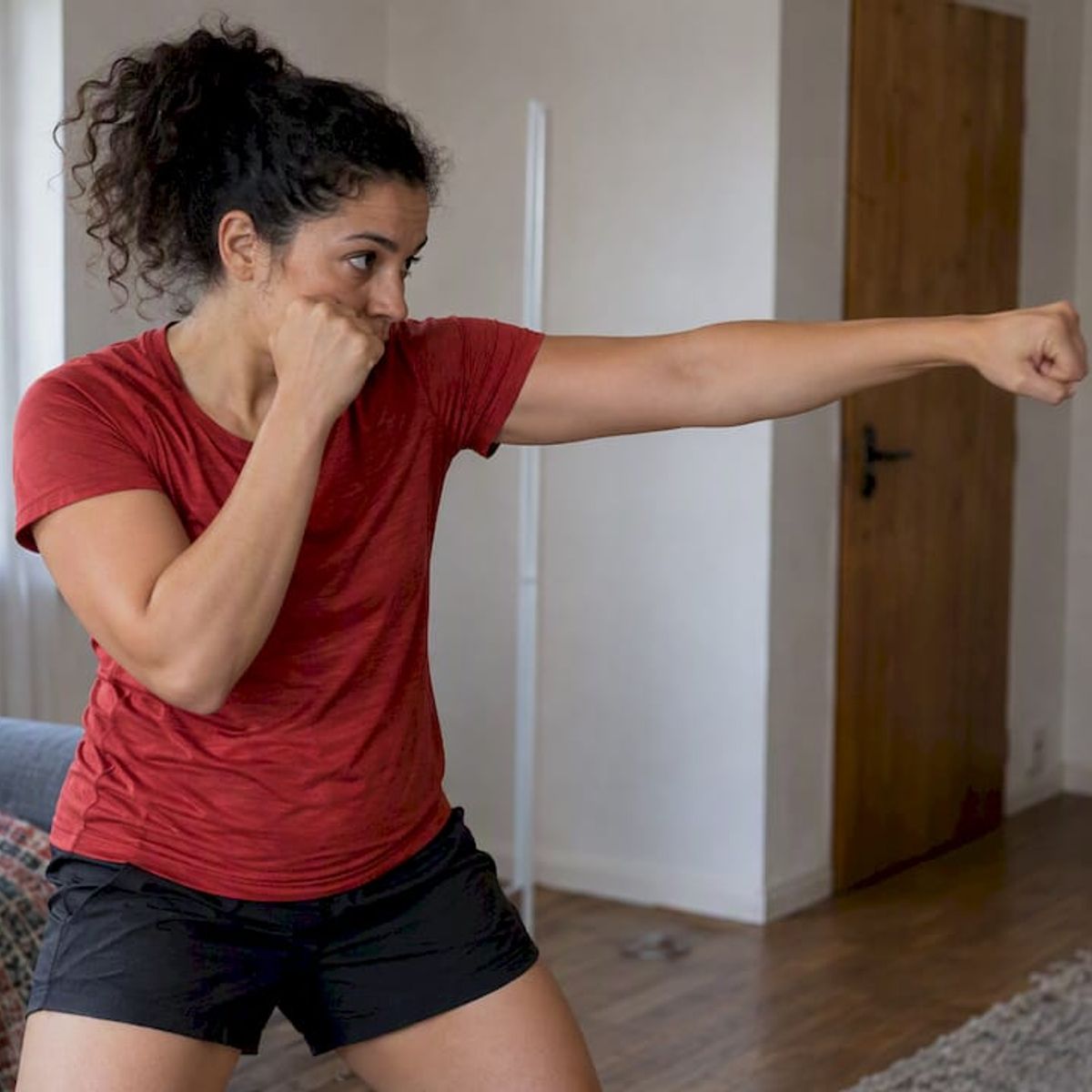
Getting started with boxing for weight loss requires less gear than most people expect. The basics are a pair of boxing gloves, hand wraps, and access to a heavy bag or open space. If you do not have a bag yet, shadowboxing is a fully effective alternative that burns serious calories and builds technique from day one.
Essential gear and space
- Boxing gloves: 12–16 oz gloves for bag work; lighter gloves for shadowboxing
- Hand wraps: Protect your wrists and knuckles on every session
- Heavy bag or open space: A bag adds resistance; shadowboxing and focus mitts work equally well for cardio
- Shoes: Cross-trainers or boxing shoes with lateral support
- Timer: A round timer app or interval timer to enforce work and rest periods
Your workout space needs enough room to move laterally and step back without hitting furniture. A 6x6 foot area is the practical minimum for shadowboxing.
Frequency and session length for beginners
Beginners should start with 2–3 sessions per week and build from there. Jumping straight to five days a week increases injury risk and slows recovery. Sessions of 30–45 minutes are enough to produce fat loss results early on. Your first month of boxing should focus on movement patterns and breath control before you push intensity. Read the first month of boxing guide at Level Up Gym for a week-by-week breakdown.
Pro Tip: Always spend 5–8 minutes warming up with jump rope, arm circles, and hip rotations before throwing a single punch. Cold muscles and boxing do not mix well.
How to structure an effective boxing workout for fat loss
The standard boxing session format is built around 3-minute work intervals followed by 1-minute rest. This structure maximizes fat oxidation and cardiovascular adaptation. Sticking to this format is not arbitrary. Precise 3-minute work and 1-minute rest intervals are specifically designed to optimize the EPOC effect, meaning your body keeps burning calories for hours after the session ends.
A complete session structure
- Warm-up (5–8 minutes): Jump rope, dynamic stretching, and light shadowboxing to raise heart rate and loosen joints
- Shadowboxing rounds (2–3 rounds): Focus on footwork, head movement, and punch combinations at 60–70% effort
- Heavy bag work (3–5 rounds): Power combinations, body shots, and defensive movement at 80–90% effort
- Bodyweight conditioning (2–3 rounds): Push-ups, burpees, squat jumps, or core work between bag rounds
- Cooldown (5 minutes): Light shadowboxing, deep breathing, and static stretching
Session phaseDurationIntensity
Warm-up
5–8 minutes
Low
Shadowboxing
6–9 minutes
Moderate
Heavy bag work
12–20 minutes
High
Bodyweight conditioning
6–9 minutes
High
Cooldown
5 minutes
Low
Boxing burns 500–1,000 calories per hour depending on intensity and workout mix. That range is wide because technique and effort level matter enormously. A sloppy, arm-only puncher burns far fewer calories than someone using full hip rotation and core engagement on every strike.
Pro Tip: Drive every punch from your hips, not just your arms. Proper technique with core and hip engagement increases energy expenditure per round and protects your shoulders from overuse injuries.
As your fitness improves, progress by adding one round per week, shortening rest to 45 seconds, or increasing punch output per round. Progression is the engine of fat loss. Without it, your body adapts and results plateau.
What are the most common mistakes in boxing fat loss training?
Most people who stall in their fat loss progress make the same handful of errors. Recognizing them early saves weeks of wasted effort.
- Prioritizing power over technique. Swinging hard with no structure burns fewer calories and strains your shoulders and elbows. Technique is the primary driver of calorie burn, not raw force.
- Overtraining without recovery. Training six or seven days a week feels productive but backfires quickly. Overtraining elevates cortisol, which can increase abdominal fat storage and undermine the fat loss you are working toward. Three to four sessions per week is the effective ceiling for most adults.
- Ignoring nutrition. Boxing cannot outrun a poor diet. Calorie burn from training is real, but it is not unlimited. Pairing sessions with a structured eating plan is what produces consistent results.
- Skipping rest days. Rest is when your body repairs muscle and resets hormones. Scheduling two full rest days per week is not optional for long-term progress.
“Consistency and gradual progression are more effective and safer than pushing too hard too fast. Boxing builds a lean, athletic physique through combined cardio and strength stimulus, which is exactly what adults looking to lose fat and avoid bulking up need.” — Cleveland Clinic on boxing benefits
One underrated mistake is expecting boxing to build large, bulky muscle. Boxing builds lean functional muscle, not the kind that adds bulk. That distinction matters for adults who want a leaner physique without a dramatic change in body shape.
How do nutrition and recovery support boxing fat loss?
Training hard is only half the equation. Sustainable fat loss with boxing requires a calorie deficit of 400–750 calories below your daily maintenance level. At that range, you can expect to lose roughly 0.5–1 kg per week without sacrificing energy for training. Use Level Up Gym’s calorie deficit calculator to find your personal target before adjusting your diet.
Nutrition priorities
- Protein: Aim for 0.7–1 gram per pound of bodyweight to preserve muscle while in a deficit
- Carbohydrates: Keep enough carbs to fuel high-intensity rounds; cutting them too aggressively kills workout performance
- Fats: Healthy fats support hormone balance, which directly affects fat loss and recovery
- Hydration: Dehydration reduces power output and increases perceived effort; drink water consistently throughout the day
Pro Tip: Eat a small meal with protein and carbs 60–90 minutes before training. This fuels your rounds and reduces the chance of overeating after the session.
Recovery is not passive. Active recovery days, such as a 20-minute walk or light mobility work, keep blood moving to sore muscles without adding training stress. Visible fat loss typically appears within 4–8 weeks of consistent training and structured nutrition. That timeline is realistic and worth committing to.
How do you track progress and stay motivated in a boxing fat loss program?
Tracking progress keeps you honest and motivated when the scale does not move for a week. Body weight alone is a poor indicator of fat loss because muscle gain and water retention can mask real changes.
- Measure body fat percentage every 2–4 weeks using a body fat calculator or skinfold calipers. Use Level Up Gym’s calories burned boxing calculator to cross-reference your output with your deficit target.
- Log your rounds and intensity after every session. Note how many rounds you completed, your rest periods, and your perceived effort on a scale of 1–10.
- Set weekly conditioning goals alongside weight goals. Completing one extra round per week or reducing rest by 15 seconds is a concrete win that keeps momentum going.
- Train with a coach or group. Accountability from a coach or training partner is one of the strongest predictors of long-term consistency. Structured programs remove the guesswork from session design.
- Reassess and adjust every 4 weeks. As your fitness improves, your current routine will feel easier. That is the signal to add rounds, increase intensity, or introduce new combinations.
Progress in boxing fat loss is not always linear. Some weeks you will feel stronger and leaner; others will feel flat. The adults who reach their goals are the ones who track honestly and adjust without quitting.
Key Takeaways
A boxing workout for fat loss works because it combines high-intensity interval training, full-body movement, and the EPOC effect to burn fat during and after every session.
PointDetails
Calorie burn is substantial
Boxing burns 500–1,000 calories per hour depending on intensity and technique quality.
Round structure drives results
Three-minute work intervals with one-minute rest optimize fat oxidation and the afterburn effect.
Technique beats power
Core and hip engagement on every punch increases calorie burn and prevents injury.
Nutrition is non-negotiable
A 400–750 calorie daily deficit paired with 3–4 weekly sessions produces 0.5–1 kg of fat loss per week.
Overtraining backfires
More than 4 sessions per week elevates cortisol and slows fat loss for most adults.
Why I think most people approach boxing fat loss backwards
Most adults who start boxing for weight loss focus almost entirely on how hard they hit. I get it. The bag is satisfying to punish. But after years of watching people train, the ones who lose the most fat are almost never the hardest hitters in the room. They are the ones who move well, breathe well, and show up consistently.
Technique is not just about looking good. It is a metabolic multiplier. When you rotate your hips on every punch, engage your core on every defensive movement, and stay light on your feet between combinations, you are working your entire body every second of every round. That is where the real calorie burn lives.
The other thing I have seen derail people is the belief that more sessions equal faster results. Overtraining is real, and cortisol is not your friend when fat loss is the goal. Three to four well-structured sessions per week, paired with honest nutrition, will outperform six sloppy, exhausted sessions every single time.
Boxing also does something no treadmill can replicate. It builds mental toughness and stress resilience alongside physical fitness. That combination is what makes it sustainable. People do not quit boxing because they are bored. They quit because they never learned to pace themselves or eat to support their training. Fix those two things and the fat loss follows.
— Malcolm
Level Up Gym’s boxing programs for fat loss
Level Up Gym in Stratford and Bridgeport, CT offers hybrid training programs that combine structured boxing with strength work, designed specifically for adults who want to lose fat without losing muscle. Every program is built around the same interval principles covered in this guide, with coaching that corrects technique from session one.
Whether you prefer training in person at one of the Connecticut locations or working with a coach remotely through online personal training, Level Up Gym has a program that fits your schedule and starting point. Nutrition coaching is also available to pair with your training and dial in your calorie deficit. Book a free consultation and find out which program matches your fat loss goals.
FAQ
How many calories does a boxing workout burn?
Boxing burns 500–1,000 calories per hour depending on workout intensity and technique. Bag work and bodyweight combinations at the higher end of effort produce the greatest calorie output.
How often should beginners do boxing for weight loss?
Beginners should train 2–3 times per week and build to 3–4 sessions as fitness improves. Starting at a lower frequency reduces injury risk and supports better recovery between sessions.
How long before I see fat loss results from boxing?
Visible fat loss typically appears within 4–8 weeks of consistent training combined with a structured calorie deficit. Results depend on session frequency, technique quality, and nutrition adherence.
Does boxing build bulky muscle or lean muscle?
Boxing builds lean, functional muscle rather than bulk. Fat loss from boxing comes from the calorie deficit and high energy output, not from muscle hypertrophy.
What is the best round structure for fat burning in boxing?
Three-minute work rounds followed by one-minute rest intervals produce the strongest fat-burning effect. This format maximizes EPOC and cardiovascular adaptation across the session.