
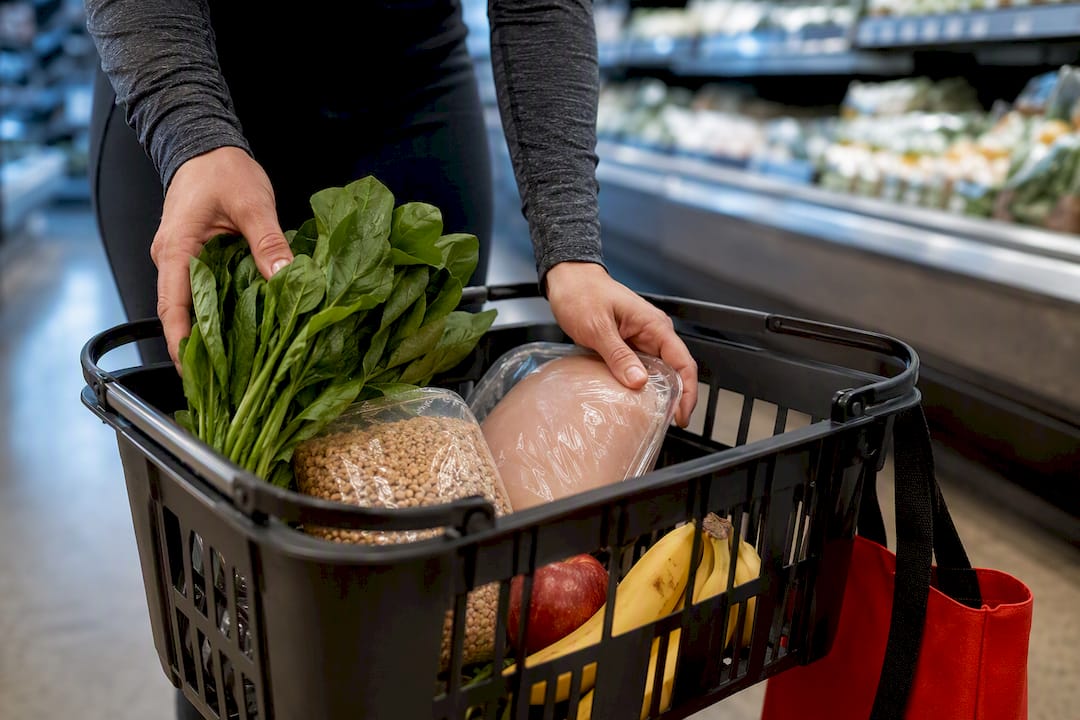
One Week Weight Loss Grocery List That Cuts Waste and Tracks Progress
For weight loss, fill your cart with vegetables, lean protein, whole grains, and a few smart pantry staples, then plan meals that reuse those same ingredients all week. That single habit, buying with overlap in mind instead of grabbing random items, does more for your results than any single “superfood.” Aim for the CDC-recommended pace of 1 to 2 pounds a week, and let your grocery list do the heavy lifting before you ever turn on the stove.
TL;DR:
- Using a meal plan with overlapping ingredients helps reduce waste and keeps grocery shopping efficient; prioritize shopping after meal planning.
- Fill your cart mainly with high-fiber vegetables and fruits, frozen produce, lean proteins, and whole grains to support satiety and muscle preservation.
- Adjust your grocery list for dietary restrictions like vegetarian, gluten-free, or low-sodium needs by substituting appropriate staples without changing the core ratios.
- Portion control is key; measure serving sizes and prepare bulk meals in advance to avoid overeating and ensure consistent intake.
- Reassess your calorie needs every four to six weeks and track progress to make small, sustainable adjustments rather than rapid, drastic changes.
Level Up Gym
Get Coached Support For Fat Loss
Level Up Gym helps Fairfield County adults pursue coached fat loss, strength, or boxing, with beginners welcome and no contracts.
Table of Contents
- Planning Tips For A Weight Loss Grocery List That Sticks
- Produce To Buy: The Fiber And Volume Foundation
- High Protein Grocery List Items For Preserving Muscle
- Whole Grains And Pantry Staples Worth Stocking
- Dairy, Plant Milks, And Healthy Fats In Moderation
- Snacks And Beverages That Won’t Sabotage Progress
- Foods To Limit For Faster, More Sustainable Results
- Shopping Frameworks: 5-4-3-2-1 And 6-To-1 Explained
- Meal Ideas And A One-Week Grocery List You Can Copy
- Tracking Progress And Knowing When To Adjust
- Portion Control: Reading Your Grocery Items Correctly
- Adjusting The List For Dietary Restrictions And Preferences
- A Realistic Note From Malcolm
- Guided Support If You Want It
- Sources
- FAQ
Planning Tips For A Weight Loss Grocery List That Sticks
The list itself only works if you build it the right way. Most people fail at grocery shopping for weight loss not because they pick bad foods, but because they shop without a plan and end up improvising dinner from whatever’s in the pantry.
Start by mapping out 3 to 7 days of meals before you write anything down. Pick recipes that share two or three core ingredients, like one protein and one grain that show up in multiple dishes, so nothing goes to waste in the back of the fridge.
Before you leave the house, open the fridge and pantry and actually look. You probably have more usable food than you think, and skipping this step is how people end up with three jars of salsa.
Write your list grouped by store section (produce, protein, dairy, pantry) instead of by meal. It matches how the store is laid out and keeps you from crisscrossing the aisles, which is when impulse buys happen.
- Meal-plan for the week before shopping, prioritizing recipes with overlapping ingredients
- Do a five-minute kitchen scan so you don’t rebuy what you already own
- Shop after eating, not on an empty stomach
- Buy frozen vegetables and fruit when fresh is pricey or out of season
- Compare unit price (cost per ounce or pound), not just the sticker price
Pro Tip: Take a photo of your pantry and fridge shelves on your phone before you shop. It takes ten seconds and saves you from buying a third bag of rice you didn’t need.
Produce To Buy: The Fiber And Volume Foundation
Vegetables and fruit do the most important job on any weight loss grocery list: they add volume and fiber without adding many calories, which is what actually keeps you full between meals.
Load up on high-fiber vegetables first. Leafy greens (spinach, kale, romaine), broccoli, bell peppers, carrots, and cruciferous vegetables like cauliflower and Brussels sprouts all fill a plate for very few calories and take real chewing time, which slows down how fast you eat.
For fruit, berries, apples, and citrus give you the most fiber per calorie and hold up well for a few days in the fridge. Canned fruit is fine in a pinch as long as it’s packed in water or juice, not syrup, and dried fruit is worth watching since the calories concentrate fast in a small handful.
Frozen produce deserves a permanent spot in your cart. It’s flash-frozen at peak ripeness, often cheaper than fresh, and won’t wilt into a science experiment if your week gets busy.
- Leafy greens: spinach, kale, romaine, arugula
- Cruciferous vegetables: broccoli, cauliflower, Brussels sprouts, cabbage
- Colorful staples: bell peppers, carrots, zucchini, tomatoes
- Fruit: berries, apples, citrus, bananas
- Frozen backups: mixed vegetables, frozen berries, frozen mango
Store leafy greens with a paper towel in the bag to soak up moisture, and keep berries unwashed until you’re ready to eat them. Both tricks buy you several extra days.
High Protein Grocery List Items For Preserving Muscle
Protein is the category most people underbuy, and it’s the one that matters most when you’re eating fewer calories overall. Cutting calories without enough protein tends to cost you muscle along with fat, which is the opposite of what you want.
Chicken breast, turkey, 90/10 ground beef, and white fish are reliable lean options. Canned tuna and salmon are worth keeping stocked since they need zero prep and last a long time in the pantry.
Plant-based eaters have real options too: black beans, lentils, chickpeas, tofu, tempeh, and edamame all bring meaningful protein along with fiber, which is a combination animal proteins don’t offer.
Dairy and dairy alternatives can quietly boost your protein intake. Plain Greek yogurt, cottage cheese, and protein-fortified milks all pack more protein per calorie than most people realize.
- Lean meats: chicken breast, turkey, 93% or leaner ground beef
- Seafood: canned tuna, salmon, shrimp, white fish
- Plant proteins: black beans, lentils, chickpeas, tofu, tempeh, edamame
- Dairy protein: plain Greek yogurt, cottage cheese, fortified milk
Protein and muscle preservation: research on dieting and body composition points to adequate protein intake as a key factor in preserving lean mass during calorie restriction, particularly when paired with resistance training.
A simple cue: try to land 20 to 40 grams of protein at each meal. Our guide to eating protein breaks down why that range matters and how to hit it without overthinking every meal.
Whole Grains And Pantry Staples Worth Stocking
Whole grains and a handful of pantry basics are what turn your produce and protein into actual meals instead of a pile of ingredients sitting in the fridge.
Oats, brown rice, quinoa, and whole-wheat pasta are the workhorses. They’re cheap in bulk, keep for months unopened, and each one anchors dozens of different meals depending on what you pair them with.
Beyond grains, a few pantry staples make weeknight cooking realistic. Canned beans (rinsed to cut sodium), canned tomatoes with no salt added, low-sodium broth, a rotating set of dried spices, and a good olive oil cover most of what you’ll cook all month.
- Whole grains: oats, brown rice, quinoa, whole-wheat pasta, barley
- Canned staples: black beans, chickpeas, no-salt-added diced tomatoes
- Cooking basics: low-sodium broth, olive oil, garlic, onions
- Flavor builders: cumin, chili powder, smoked paprika, dried oregano
When you’re reading labels on canned goods and boxed grains, check the sodium line first, then scan for added sugars hiding in places like flavored oatmeal or seasoned rice mixes. A healthy U.S.-style eating pattern leans on whole grains and limits both.
Dairy, Plant Milks, And Healthy Fats In Moderation
Fat isn’t the enemy on a weight loss grocery list. It’s calorie-dense, so portioning matters more here than almost anywhere else in your cart.
Plain Greek yogurt beats flavored versions every time; the flavored kind can carry as much added sugar as a candy bar. Fortified unsweetened plant milks are a solid swap if dairy doesn’t agree with you.
For fats, olive oil, avocado, and a small handful of nuts are the standbys. A tablespoon of olive oil, a quarter of an avocado, or a small handful (about a golf ball’s worth) of almonds are reasonable single servings, not a “healthy fat” license to pour freely.
- Plain Greek yogurt (unsweetened)
- Fortified unsweetened plant milk (almond, soy, oat)
- Extra virgin olive oil
- Avocado
- Raw or dry-roasted nuts (almonds, walnuts)
Pro Tip: Pair a fat source with your protein and produce at each meal, like avocado on eggs with spinach. The combination keeps you full longer than any single food eaten alone.
Snacks And Beverages That Won’t Sabotage Progress
Liquid calories are one of the sneakiest ways a good grocery list gets undone. Water, sparkling water, and unsweetened tea or coffee should make up almost everything you drink; sugar-sweetened sodas and juices add up fast without ever making you feel full.
For snacks, keep things portable and protein-forward. Individual Greek yogurt cups, roasted chickpeas, and single-serve hummus with cut vegetables travel well and actually curb hunger, unlike chips or crackers that disappear in three bites.
- Water, sparkling water, unsweetened tea or coffee
- Single-serve plain Greek yogurt
- Roasted chickpeas or edamame
- Individual hummus cups with baby carrots or cucumber
If you know a treat is coming, plan the portion before you’re standing in front of the pantry. Buying a single-serving bag of chips instead of the family size is a small decision that saves a lot of impulse calories.
Foods To Limit For Faster, More Sustainable Results
Some foods work against your grocery list no matter how well the rest of your cart is stocked. Ultra-processed snacks, sugary drinks, refined white bread and pastries, and high-sodium frozen dinners are the four categories that do the most damage per dollar spent.
Added sugar and sodium aren’t just abstract nutrition-label terms. The CDC’s guidance on healthy eating patterns specifically calls out limiting added sugars, saturated fat, and sodium as part of a pattern that supports a healthy weight, because both tend to ride along with calorie-dense, low-fiber foods that make overeating easy.
A few swaps make a real difference without feeling like deprivation:
- Whole fruit instead of fruit juice (more fiber, fewer stripped calories)
- Homemade tomato or pesto sauce instead of jarred versions loaded with sugar
- Air-popped popcorn instead of flavored chips
- Sparkling water with citrus instead of soda
- Grilled chicken instead of breaded, fried versions
You don’t have to eliminate these foods completely. Just don’t let them anchor your weekly shop.
Shopping Frameworks: 5-4-3-2-1 And 6-To-1 Explained
Structured shopping methods take the guesswork out of a weight-loss cart, especially in the first few weeks when you’re still learning what a balanced week actually looks like.
- The 5-4-3-2-1 method. This framework, explained in detail by Healthline, has you buy five vegetables, four proteins, three fruits, two whole grains, and one treat each week. A sample week might look like: broccoli, spinach, peppers, carrots, and zucchini for vegetables; chicken, salmon, black beans, and Greek yogurt for protein; apples, berries, and oranges for fruit; brown rice and oats for grains; and one small dark chocolate bar as the treat.
- The 6-to-1 method. This one flips the ratio toward produce, with six vegetables or fruits for every one protein or grain item, useful if you’re eating mostly plant-forward and want to make sure produce doesn’t get crowded out.
- Adapting either method for protein goals. If you’re prioritizing muscle preservation, bump the “four proteins” slot in 5-4-3-2-1 toward higher-protein choices like Greek yogurt and lean poultry rather than spreading it across lower-protein items.
- Budget tactics that pair with any framework. Compare unit prices, buy dried beans and grains in bulk, stock your freezer with produce, and build your meal-prep schedule around whichever protein is cheapest that week.
Meal Ideas And A One-Week Grocery List You Can Copy
Turning a grocery list into actual dinners is where most plans fall apart. These four templates use the same core ingredients across the week, so nothing sits unused.
- High-protein breakfast: Greek yogurt, berries, and a small handful of almonds
- Grain bowl dinner: brown rice, roasted broccoli, grilled chicken, and a drizzle of olive oil
- Salad lunch: spinach, chickpeas, cherry tomatoes, feta, and lemon vinaigrette
- Quick stir-fry: frozen mixed vegetables, tofu or shrimp, garlic, and a splash of low-sodium soy sauce over quinoa
A one-week shopping list built from these templates covers roughly: 2 pounds chicken breast, 1 pound shrimp or tofu, a dozen eggs, 32 ounces plain Greek yogurt, 2 cans chickpeas, 1 bag frozen mixed vegetables, spinach, broccoli, bell peppers, berries, 2 lemons, brown rice, quinoa, olive oil, and garlic. Scale portions up or down based on how many people you’re feeding.
- Cook grains and proteins in bulk on one prep day (Sunday works for most people)
- Portion into containers by meal, not by ingredient
- Store dressings and sauces separately so vegetables don’t go soggy
- Freeze half of any recipe that makes more than four servings
Tracking Progress And Knowing When To Adjust
A grocery list only gets you halfway there. What you do with the food, and how closely you watch your results, decides whether the plan actually works.
The CDC recommends losing weight at a pace of 1 to 2 pounds per week for the best odds of keeping it off. Faster loss usually means muscle loss, water fluctuation, or a plan you can’t sustain past a few weeks.
Track more than the scale. Food intake, activity, sleep, and stress all move the needle, and tracking these factors helps you spot patterns you’d otherwise miss, like stress-eating on high-pressure workdays or under-eating protein on busy ones.
Reassess your calorie target every 4 to 6 weeks rather than every few days. Weight fluctuates daily from water and digestion, and knee-jerk changes based on one bad morning on the scale usually do more harm than good.
If progress stalls for two or three weeks straight, make a small adjustment, not a dramatic one. Trim 100 to 150 calories, add a short walk, or reassess portion sizes before overhauling the whole plan.
- Log food and activity daily, even loosely, for the first month
- Weigh yourself at the same time of day, 2 to 3 times a week, and track the trend, not the daily number
- Reassess your calorie target every 4 to 6 weeks
- Use a calorie deficit calculator to reset your target as your weight changes
Level Up Gym’s free fitness calculators can help you set a starting calorie target and recalculate it as you lose weight, and our guide on setting realistic fat loss goals walks through how to structure that reassessment.
Portion Control: Reading Your Grocery Items Correctly
The best grocery list in the world won’t help if the portions are off once the food gets home. Portion control isn’t about eating less of everything. It’s about matching how much you eat to what the label or the food actually represents.
A “serving” on a nut butter jar is usually two tablespoons, not the heaping spoonful most people scoop. A serving of cooked rice or pasta is about half a cup, roughly the size of a tennis ball, not the full bowl most restaurants serve.
Protein is easier to eyeball: a palm-sized portion of chicken, fish, or lean beef, roughly 3 to 4 ounces, is a reasonable single serving for most adults. For fats like oil and nut butter, measuring spoons matter more than they do for vegetables, since a few extra tablespoons of olive oil can add 200 calories to a meal without changing how the plate looks.
Buying pre-portioned items, like single-serve hummus cups or individually wrapped cheese, takes the guesswork out for foods where portion creep happens easiest. For bulk items like rice, oats, and nuts, measuring out a week’s worth into containers as soon as you unpack groceries means you’re not eyeballing it hungry at 9 p.m.
The goal isn’t precision to the gram. It’s building a rough, reliable sense of what a real serving looks like on your specific plate, in your own kitchen.
Adjusting The List For Dietary Restrictions And Preferences
A weight loss grocery list has to flex around how you actually eat, or it won’t survive past week one. The core categories, produce, protein, whole grains, and healthy fats, stay the same regardless of the diet pattern; only the specific items change.
For vegetarian or vegan eaters, lean harder on lentils, beans, tofu, tempeh, and edamame to hit protein targets, and consider a fortified plant milk to cover nutrients typically found in dairy. For gluten-free needs, swap whole-wheat pasta and regular oats for quinoa, brown rice, and certified gluten-free oats, all of which fit the same meal templates without any real loss of variety.
Dairy-free shoppers can replace Greek yogurt with a high-protein plant-based alternative and use nutritional yeast or extra spices to keep flavor interesting without cheese. For anyone managing a sodium-sensitive condition, canned beans and vegetables with no salt added, along with low-sodium broth, become non-negotiable rather than optional upgrades.
Cultural and personal food preferences matter just as much as medical ones. If your household cooks primarily with specific spice blends, grains, or proteins tied to a particular cuisine, build the framework around those staples rather than forcing an unfamiliar list on top of your normal cooking. The 5-4-3-2-1 structure works with basmati rice and paneer just as well as it does with brown rice and chicken breast; the ratio matters more than the specific ingredient.
A Realistic Note From Malcolm
I’ve watched enough people overhaul their entire pantry overnight only to burn out in two weeks. Don’t do that. Pick three or four items from this list you’ll actually eat, build one week of meals around them, and let the habit grow from there.
[Malcolm’s credentials and program details] Track your results with the tools above, and if you want structured, in-person support, [local program mentions] are worth a look.
— Malcolm
Guided Support If You Want It
A grocery list gets you most of the way, but pairing it with structured movement is where a lot of people see faster, steadier results. Coached programs with integrated nutrition coaching and calorie targets can help readers who prefer personalized planning over piecing together plans solo.
Our hybrid training programs combine boxing and strength conditioning with nutrition coaching, so your grocery list and your workouts are working toward the same number instead of two different plans pulling in opposite directions. If you’re not sure where your calorie target should even start, run it through the calorie deficit calculator first. This is one route among several, and it’s an optional one. If it fits, book a visit at the Stratford or Bridgeport location and see what a structured week actually feels like.
This article is general information, not a substitute for advice from a qualified doctor. Consult a qualified healthcare professional about your own circumstances before acting on anything here.
FAQ
What Is The 5-4-3-2-1 Grocery Rule?
It’s a weekly shopping framework calling for five vegetables, four proteins, three fruits, two whole grains, and one treat, designed to keep your cart balanced without counting every calorie.
How Can I Stick To A $50 Weekly Grocery Budget?
Focus on bulk dried beans and grains, frozen vegetables and fruit, canned fish, and eggs, and skip pre-cut produce and single-serve snack packs, which cost more per ounce than buying whole and portioning yourself.
What’s The Worst Carb For Belly Fat?
No single carb causes belly fat on its own, but refined carbs low in fiber, like white bread, sugary cereal, and pastries, are the ones most consistently linked to overeating and added sugar intake that the CDC recommends limiting.
What Is The 3-3-3 Rule For Weight Loss?
Definitions of the 3-3-3 rule vary across sources, and there isn’t a single agreed-upon version backed by major health guidance, so treat it as an informal habit tip rather than a proven method.
How Often Should I Update My Calorie Target?
Reassess your calorie needs every 4 to 6 weeks, adjusting in small increments if your weight loss has stalled, rather than making frequent changes based on daily scale fluctuations.