
What Is Full Body Training? A Complete Guide
Full body training is a workout method that targets all major muscle groups in a single session, making it one of the most efficient approaches to building strength and conditioning. A standard full body training routine runs 45–75 minutes and is performed 2–4 times per week, with three sessions being the most common structure for balanced stimulus and recovery. Whether you are just starting out or have years of gym experience, this method delivers measurable results without requiring daily training. Level Up Gym builds its hybrid programs around these same principles, combining compound movement patterns with smart programming to get the most out of every session.
What is full body training and how does it work?
Full body training, also called FBW (full body workout) training, is structured around five core movement patterns: squatting, hinging, pushing, pulling, and carrying. Each pattern recruits multiple muscle groups at once, which is what separates this approach from isolation-focused split routines. A single session can cover your legs, back, chest, shoulders, and core without needing five separate training days.
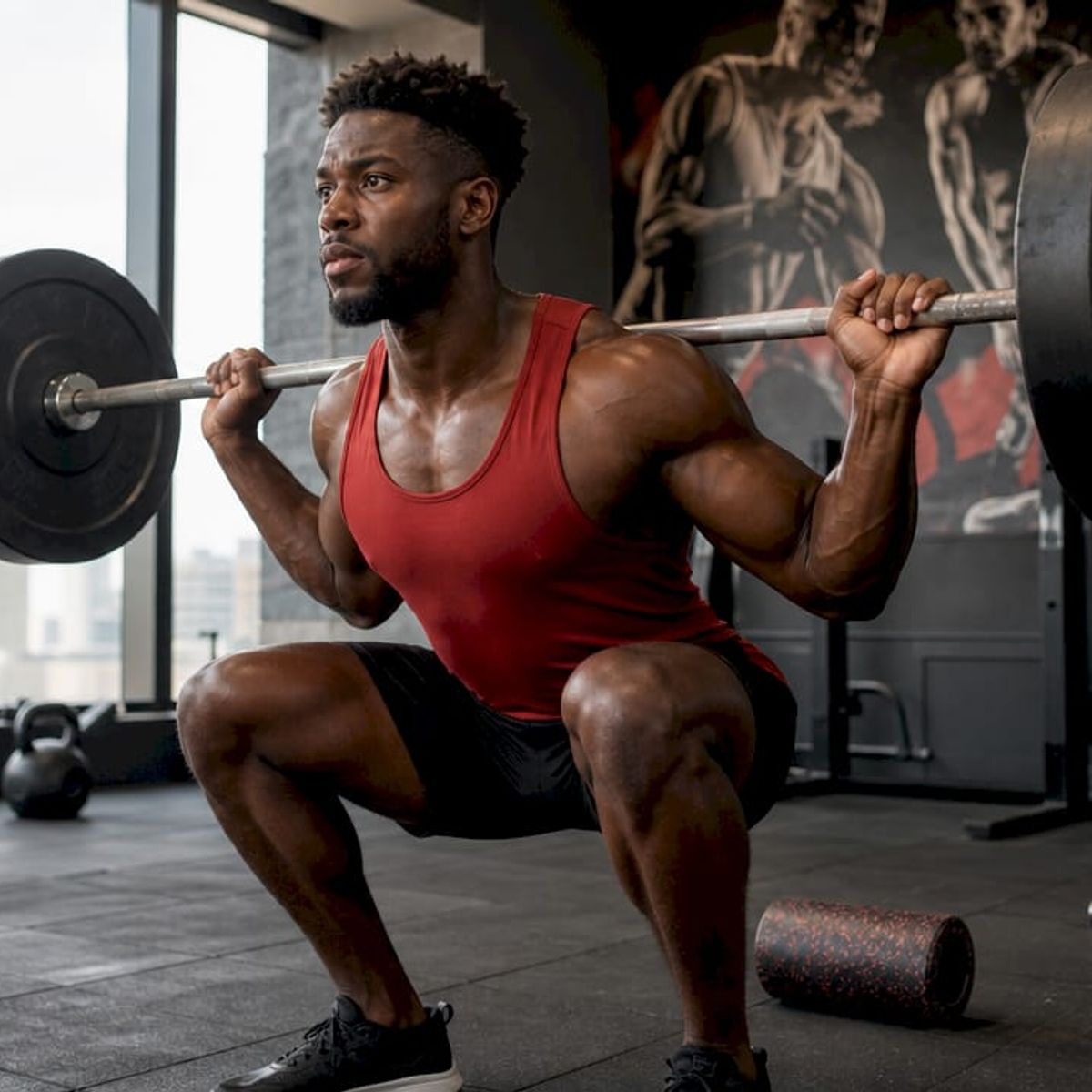
Compound exercises are the foundation of every effective full body session. Squats target the quads, glutes, and core simultaneously. Deadlifts hit the hamstrings, glutes, lower back, and grip. Push-ups and bench press work the chest, shoulders, and triceps together. These movements create a training stimulus across the entire body in far less time than training one muscle group per day.
Exercise sequencing prioritizes large compound movements first, followed by accessory work. Starting with squats or deadlifts when your central nervous system is fresh produces better performance and reduces injury risk. Accessory exercises like rows, lunges, and overhead presses follow once the heavy work is done.
Movement patternExample exercisePrimary muscles targeted
Squatting
Barbell back squat
Quads, glutes, core
Hinging
Romanian deadlift
Hamstrings, glutes, lower back
Pushing
Bench press
Chest, shoulders, triceps
Pulling
Bent-over row
Lats, rhomboids, biceps
Carrying
Farmer’s carry
Traps, core, grip, legs
Pro Tip: Start every session with your heaviest compound lift. Your nervous system is freshest at the beginning of a workout, so that is when you will move the most weight safely.
How to program a full body training routine
A well-built full body routine follows clear guidelines for frequency, volume, and recovery. Three sessions per week on non-consecutive days, such as monday, wednesday, and friday, gives each muscle group enough stimulus while allowing full recovery between sessions. Sessions run 45–75 minutes including a warm-up.
Volume per session matters as much as frequency. The standard target is 3–7 sets per muscle group per session, building toward 10–20 total sets per muscle group per week. For beginners, starting at the lower end of that range prevents excessive soreness and lets the body adapt before adding more work.
Recovery is not optional in full body programming. At least one rest day between sessions is critical because every major muscle group is taxed in each workout. Skipping rest days leads to accumulated fatigue, stalled progress, and a higher chance of injury.
Progressive overload drives long-term results. Increasing weight by 1–2.5kg or adding reps every few weeks keeps the body adapting rather than plateauing. Without this principle, even a well-designed program stops producing gains after a few months.
Key programming guidelines for a full body routine:
- Train 2–4 times per week, with 3 sessions as the standard starting point
- Keep sessions to 45–75 minutes including warm-up and cool-down
- Perform 3–7 sets per muscle group per session
- Rest at least one full day between sessions
- Apply progressive overload every 2–4 weeks by increasing weight or reps
- Warm up with dynamic movements like leg swings, arm circles, and light cardio
Pro Tip: Log every session. Write down the weight, sets, and reps for each exercise. You cannot apply progressive overload consistently if you are guessing what you lifted last week.
What are the benefits of full body workouts?
Full body and split routines produce similar muscle and strength gains when total training volume is matched. The key difference is efficiency. A 2024 meta-analysis found that full body training yields approximately 1.1kg more fat loss than split training when work volume is equal. That advantage comes from the metabolic demand of hitting every major muscle group in one session.
Compound movements trigger a greater hormonal and lactate response compared to isolated exercises. This response supports fat loss and appetite suppression in ways that single-muscle training cannot replicate. For anyone with fat loss as a primary goal, this is a meaningful advantage that shows up in body composition over time.
Full body training also improves neural efficiency by requiring coordination across multiple muscle groups simultaneously. Fitness coach Joanna Dase describes this as a “brain training” effect alongside physical gains. The result is better motor coordination, improved movement quality, and a reduced risk of injury in daily life.
Longevity is another underrated benefit. Full body training maintains mobility, function, and resilience in ways that support healthy aging. Carrying groceries, climbing stairs, and getting up from the floor all require the same movement patterns trained in a full body session. This is what makes full body gym training relevant far beyond aesthetics.
FactorFull body trainingSplit routine
Sessions needed per week
2–3
4–6
Muscle frequency per week
2–3x per muscle
1x per muscle
Fat loss advantage
Higher metabolic demand
Lower metabolic demand
Best for
Beginners, busy schedules
Advanced athletes, specialization
Neural coordination
High
Moderate
How to build and adapt your full body routine
Building a full body routine starts with matching the program to your current fitness level. Beginners benefit most from bodyweight exercises like push-ups, bodyweight squats, and glute bridges before adding external load. These movements teach proper form and build the base strength needed for weighted training. A beginner session can be as short as 20–30 minutes and still produce real results.
As you progress, the routine adapts by changing the variables, not the structure. Here is a practical framework for building and advancing your program:
- Choose your goal. Hypertrophy targets 8–12 reps per set. Strength work uses 3–6 reps with heavier loads. Endurance training uses 15–20 reps with lighter weight.
- Select one exercise per movement pattern. Pick a squat, a hinge, a push, a pull, and a carry for each session. Rotate exercises weekly to prevent adaptation.
- Set your starting volume. Beginners start with 2–3 sets per exercise. Intermediate trainees work in the 3–5 set range.
- Apply progressive overload every 2–4 weeks. Add weight, reps, or sets incrementally. Small increases compound into significant gains over months.
- Add a warm-up and cool-down. Five minutes of dynamic movement before and five minutes of static stretching after each session reduces injury risk and improves recovery.
- Track and adjust. Review your log every four weeks. If progress has stalled, increase volume or intensity. If you are consistently sore for more than two days, reduce volume.
Common mistakes to avoid: skipping the warm-up, jumping to heavy loads before mastering form, and training on consecutive days without rest. These three errors account for most beginner setbacks.
For those training at home, resistance bands and dumbbells cover every movement pattern effectively. Adjustable dumbbells and a pull-up bar give you access to the full range of compound movements without a full gym setup. If you want structured guidance on balancing strength and cardio, pairing your full body sessions with light conditioning work on rest days is a proven approach.
Pro Tip: Consistency beats perfection. Three imperfect sessions per week for six months will outperform one perfect week followed by two weeks off. Build the habit before you build the program.
Key takeaways
Full body training is the most efficient method for building strength, losing fat, and improving functional fitness when training 2–3 days per week.
PointDetails
Core structure
Five movement patterns, squatting, hinging, pushing, pulling, and carrying, cover all major muscle groups.
Optimal frequency
Train 3 times per week on non-consecutive days for balanced stimulus and recovery.
Fat loss advantage
Full body training produces greater metabolic demand and approximately 1.1kg more fat loss than split routines at equal volume.
Progressive overload
Increase weight by 1–2.5kg or add reps every 2–4 weeks to maintain consistent gains.
Beginner entry point
Start with bodyweight exercises in 20–30 minute sessions before adding external load.
Why full body training works for almost everyone
Full body training is the approach I recommend first to nearly every person who walks into Level Up Gym, regardless of their background. The reason is simple: it builds the movement foundation that everything else depends on. Before you can specialize, you need to be able to squat, hinge, push, pull, and carry with confidence. Full body training builds all of that at once.
The challenge most beginners face is not physical. It is the expectation that more is better. They want to train five days a week and hit every muscle twice. What actually happens is they get sore, skip sessions, and lose momentum. Three well-programmed full body sessions per week, with real rest in between, consistently outperform that approach.
The metabolic conditioning effect is also something people underestimate until they experience it. A heavy squat followed by a row followed by a carry taxes your cardiovascular system in a way that a bicep curl never will. That systemic demand is what drives fat loss and conditioning simultaneously. You are not just building muscle. You are training your body to work as a unit.
The one thing I would push back on is the idea that full body training is only for beginners. Advanced athletes who have hit plateaus on split routines often see renewed progress when they return to full body work for a training block. The increased frequency per muscle group and the neural demand of compound movements create a stimulus that isolation work simply cannot replicate.
— Malcolm
Full body training at Level Up Gym
Level Up Gym in Stratford and Bridgeport, CT, builds its programs around the same full body principles covered in this guide. The hybrid training programs combine compound strength work with conditioning to deliver a complete physical stimulus in every session. Each program is structured for your fitness level, whether you are picking up a barbell for the first time or returning to training after a break.
For those who cannot train in person, online personal training through Level Up Gym gives you access to the same programming remotely. A coach designs your full body routine, tracks your progress, and adjusts the program as you advance. You get the structure and accountability of in-person training without the commute.
FAQ
What is a full body workout?
A full body workout is a training session that targets all major muscle groups, including legs, back, chest, shoulders, and core, in a single visit. It uses compound movements like squats, deadlifts, and rows to maximize efficiency.
How many days a week should I do full body training?
Three days per week on non-consecutive days is the standard recommendation. This frequency provides enough stimulus for muscle growth while allowing full recovery between sessions.
Is full body training effective for fat loss?
Full body training is highly effective for fat loss. A 2024 meta-analysis found it produces approximately 1.1kg more fat loss than split training when total volume is equal, due to its greater metabolic demand.
Can beginners do full body gym training?
Beginners are well-suited to full body training. Sessions can start with bodyweight exercises in 20–30 minutes and scale up to weighted compound movements as strength and technique improve.
How long does a full body training session take?
A standard full body session runs 45–75 minutes including a warm-up. Beginners working with bodyweight only can complete effective sessions in 20–30 minutes.