The Role of Core Strength in Fitness, Health, and Performance
Your core is the structural center of every movement your body makes. The role of core strength goes far beyond six-pack aesthetics: it is the muscular system’s ability to generate force and maintain control around the trunk, giving your spine and pelvis a stable foundation for everything from picking up a grocery bag to throwing a punch. Without it, the rest of your body compensates, and that compensation is where injuries begin.
Here is what a well-trained core actually does for you:
- Stabilizes the spine and pelvis during both static postures and dynamic movement
- Transfers force between your lower and upper body through the kinetic chain
- Protects against injury by reducing shear and compressive loads on the lumbar spine
- Supports posture and breathing mechanics throughout the day
- Improves balance and coordination across all physical activities
- Enables functional movement like bending, lifting, and reaching without strain
What muscles actually make up your core?
Most people picture abs when they hear “core.” The reality is considerably more complex. The core functions as a muscular box built from many pairs of muscles spanning from the diaphragm at the top to the pelvic floor at the bottom, with the abdominals in front and the paraspinals and gluteals in the back. These muscles do not work in isolation. They co-contract in coordinated patterns to create a stable cylinder of support around the lumbar spine.
The major muscle groups and their primary roles:
- Transversus abdominis: The deepest abdominal layer, wrapping around the spine like a natural weight belt. It is the core’s primary stabilizer and the first muscle that should fire before any limb movement.
- Multifidus: Small, deep muscles running along the vertebrae. They control segmental spinal movement and are consistently weakened in people with chronic low back pain.
- Rectus abdominis: The “six-pack” muscle. Primarily a trunk flexor and mover, not a stabilizer. Strong, but often overtrained relative to the deeper muscles.
- Erector spinae: Runs the length of the back, extending and rotating the spine while eccentrically controlling forward flexion.
- Diaphragm: The breathing muscle doubles as the roof of the core’s pressure chamber, regulating intra-abdominal pressure during exertion.
- Pelvic floor: The base of the core cylinder. Works with the diaphragm and transversus abdominis to manage pressure and support the pelvis.
- Gluteus medius and maximus: The primary stabilizers of the pelvis in both open and closed kinetic chain activities, linking the core to the lower extremities.
- Quadratus lumborum: Connects the pelvis to the lumbar spine, stabilizing lateral movement and controlling side bending.
Understanding which muscle does what matters when you train. Crunches load the rectus abdominis heavily but barely touch the multifidus or transversus abdominis, which are the muscles most responsible for spinal protection.
The wide-ranging benefits of a strong core
1. Better posture and spinal alignment
A strong core holds your spine in a neutral position without conscious effort. When the deep stabilizers are weak, the body defaults to passive structures like ligaments and discs to bear load, which accelerates wear over time. Core training supports posture, movement control, and breathing mechanics, making efficient daily function possible without the fatigue that comes from compensating with the wrong muscles.
2. Improved balance and coordination
Balance is not just a leg issue. The trunk muscles fire constantly to make micro-adjustments that keep you upright, especially on unstable surfaces or during single-leg activities. Core training significantly improves balance, movement control, and independence in adults 65 and older, reducing fall risk in a population where a single fall can be life-altering. For younger athletes, that same balance improvement translates directly to sport-specific agility.
3. Efficient breathing and body mechanics
The diaphragm and pelvic floor work as a pressure system. When you brace for a heavy lift, intra-abdominal pressure rises, stiffening the trunk and protecting the spine. Poor core coordination disrupts this pressure mechanism, forcing the body to either hold its breath inefficiently or lose spinal stiffness at the wrong moment. Training the core properly teaches these muscles to sequence correctly, so breathing and bracing happen together rather than against each other.
4. Reduced lower back and lower body injury risk
Without core muscles, the spine can become unstable under very low compressive forces, which is far less than the weight of your own upper body. That figure alone explains why a weak core creates chronic back problems even in people who do not lift heavy. Beyond the back, weak core activation alters hip and knee mechanics, contributing to conditions like IT band syndrome, patellofemoral pain, and ACL injuries.
5. Enhanced exercise performance and functional capacity
Every push, pull, squat, or sprint starts from the trunk. A stable core means force generated by the legs or arms does not bleed out through a wobbly midsection. The practical result: you lift more, run faster, and fatigue more slowly because energy goes where it is supposed to go.
How core strength shapes athletic performance
The core is the vital link in the kinetic chain, transferring force between the lower and upper extremities. A sprinter’s power starts at the foot, travels through the hip and trunk, and exits through the arm drive. If the trunk is weak, that chain breaks and power leaks out. The same principle applies in boxing, swimming, baseball, and soccer.
Key impacts of core strength on athletic performance:
- Force transfer: A stiff, well-activated trunk transmits ground reaction forces upward without energy loss, directly increasing power output in throwing, striking, and jumping.
- Movement control under fatigue: As athletes tire, core activation tends to drop first. Training core endurance, not just peak strength, keeps movement patterns safe and efficient late in competition.
- Running economy: Trunk stability reduces lateral sway and pelvic drop during the gait cycle, cutting wasted motion and improving running efficiency over distance.
- Injury resilience during dynamic loads: Proper core activation before and during movement protects the lumbar spine and hip complex from the high forces generated in sport. For a deeper look at how eccentric loading and core stability interact in explosive movements, this breakdown of eccentric loading and explosiveness is worth reading.
Pro Tip: Before any heavy compound lift or explosive movement, take a breath into your belly, brace your trunk as if you are about to take a punch, and then move. This “brace and breathe” cue activates the transversus abdominis and diaphragm together, creating the intra-abdominal pressure that protects your spine and maximizes force transfer.
Core strength’s role in injury prevention and rehabilitation
The spine’s passive structures, discs, ligaments, and facet joints, cannot handle dynamic loads alone. The core muscles are the active system that keeps those structures safe. When that active system fails, injury follows.
Key injury prevention mechanisms:
- Spinal load reduction: Co-contraction of the trunk muscles increases spinal stiffness, distributing compressive and shear forces across more tissue and reducing stress on any single structure.
- Lower body injury prevention: Weak gluteus medius activation, a core muscle, allows the pelvis to drop during single-leg stance, increasing valgus stress at the knee. Strengthening the lateral core directly reduces this risk.
- Chronic low back pain relief: Training the deep core muscles like transversus abdominis and multifidus improves spinal stability and reduces low back pain. Meta-analyses covering more than 1,500 patients show core stability training produces strong treatment effect sizes for both pain reduction and functional improvement.
- Fall prevention in older adults: Core training improves the speed and accuracy of postural responses, giving older adults a better chance of catching themselves before a fall becomes a fracture.
- Rehabilitation after injury: Core training is now standard in rehabilitation protocols for lumbar, hip, and knee conditions because restoring trunk control is often a prerequisite for safe return to activity. Evidence-based approaches to injury prevention for athletes consistently prioritize core stability as a foundation.
Core strength vs. core stability: what experts actually say
These two terms are often used interchangeably, but they describe different things. Core strength is the ability to produce force. Core stability is the ability to control that force through neuromuscular coordination, timing, and endurance. You can have strong core muscles and still have poor stability if those muscles do not activate at the right moment in the right sequence.
Core stability and core strength differ: stability includes neuromuscular control and timing of muscle activation, not just force output. Psychological factors such as anxiety can hinder core muscle activation, which means training the core is partly a confidence and motor learning process, not purely a strength exercise.
Expert insights on training both qualities:
- Train deep stabilizers first, particularly transversus abdominis and multifidus, before loading the global movers like rectus abdominis.
- Prioritize endurance and control over maximum force output in most training contexts.
- Coordination of deep and superficial core muscles is needed; focusing on strength alone without motor control and timing leaves the system incomplete.
- Use slow, controlled movements and isometric holds to build the neuromuscular pathways before adding speed or load.
How to assess your core strength and find the gaps
Most people skip assessment and jump straight to training, which means they often reinforce existing imbalances. A few straightforward tests reveal where your core actually stands.
The dead bug test exposes whether you can maintain a neutral lumbar spine while moving your limbs independently. Lie on your back, arms pointed at the ceiling, knees bent at 90 degrees. Slowly lower one arm and the opposite leg toward the floor without letting your lower back arch. If your back lifts off the ground, your deep stabilizers are not doing their job.
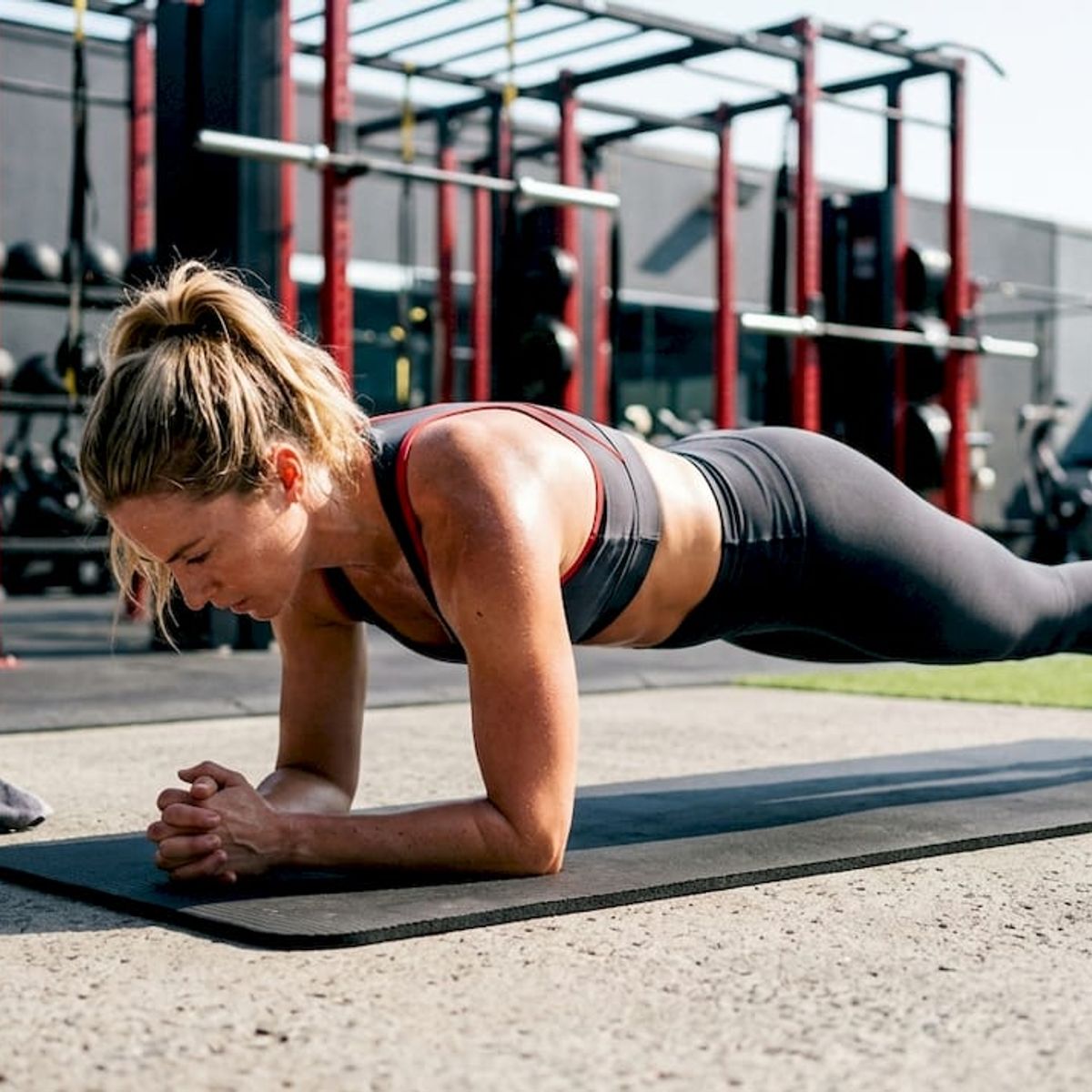
The side plank tests lateral core endurance, specifically the quadratus lumborum and gluteus medius. A hip that sags immediately signals weakness in the lateral chain, which often correlates with knee and hip pain during running.
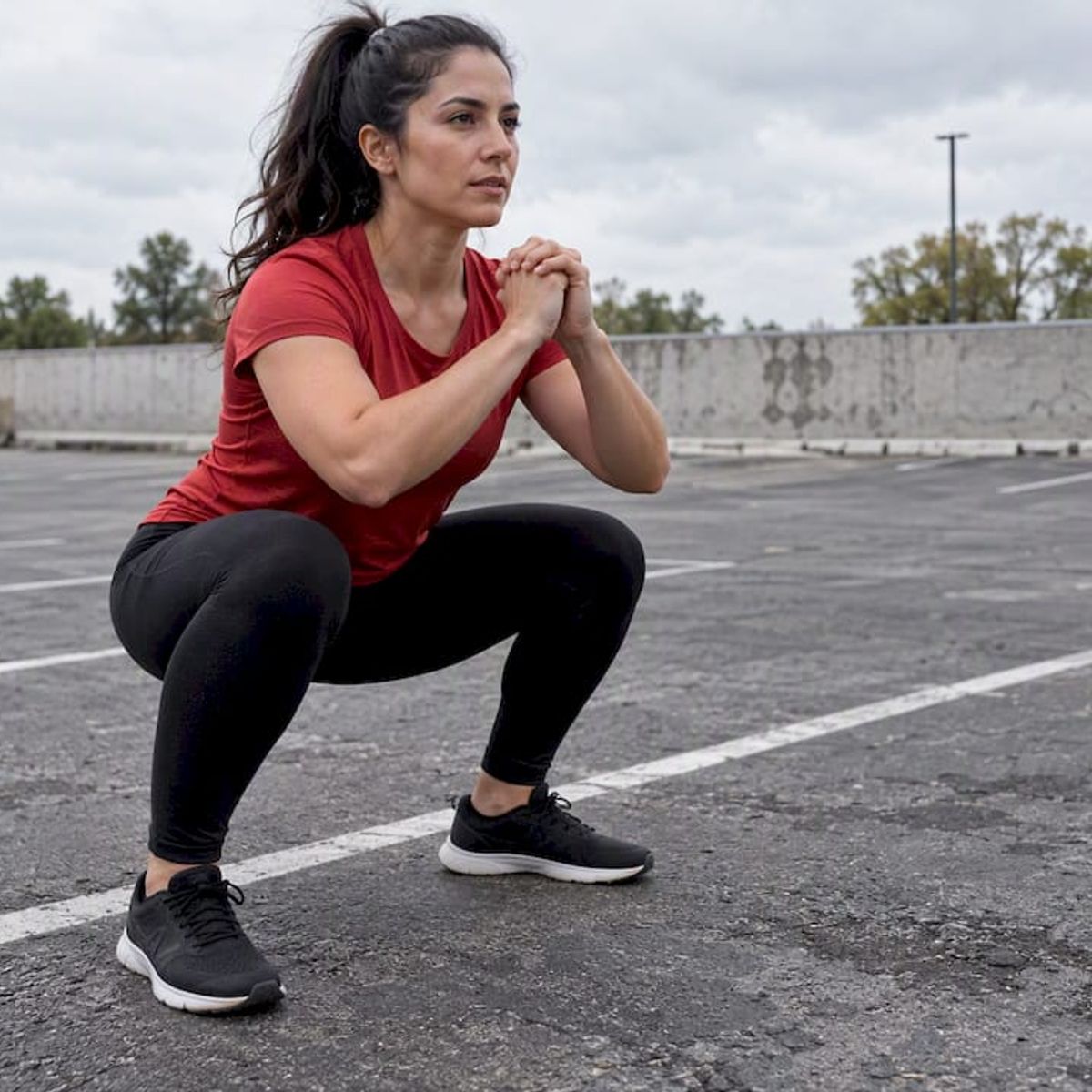
The single-leg squat is a functional assessment that reveals how well your core and hip stabilizers work together under load. Watch for knee cave, trunk lean, or pelvic drop. Any of these patterns points to a specific weakness worth addressing before adding more weight to your squats or deadlifts.
Breathing pattern assessment is underused but telling. If you cannot breathe normally while holding a plank, your core is working too hard just to maintain position, which means it will not have capacity left to protect you during actual movement.
Common misconceptions about core training
Crunches are the best core exercise. They are not. Crunches train the rectus abdominis in spinal flexion, which is one movement pattern out of many. They do almost nothing for the multifidus, transversus abdominis, or gluteus medius, the muscles most responsible for spinal protection and pelvic stability.
A visible six-pack means a strong core. Body fat percentage determines whether abs are visible. Leanness and core strength are independent variables. Plenty of lean people have weak stabilizers, and plenty of heavier people have excellent trunk control.
Core training means training your abs. The core includes the diaphragm, pelvic floor, gluteals, and paraspinals. Ignoring any of these creates gaps in the system that show up as pain or injury.
More core work is always better. The deep stabilizers respond to quality and consistency, not volume. Grinding through 200 crunches does less for spinal stability than 10 slow, controlled dead bugs performed with full attention to position and breathing.
Core training is only for people with back pain. Prevention is far more effective than rehabilitation. Building core stability before pain develops keeps the spine resilient through decades of training and daily activity.
How to build core training into your workout routine
Core training works best when it is woven into your existing sessions rather than treated as a separate afterthought. Proper core activation precedes limb movement, so the most efficient place to train it is as part of every exercise you already do.
Start each session with activation work. Two to three minutes of dead bugs, bird dogs, or diaphragmatic breathing primes the deep stabilizers before you load them. This is not a warmup for show; it genuinely changes how your nervous system recruits the trunk during the heavier work that follows.
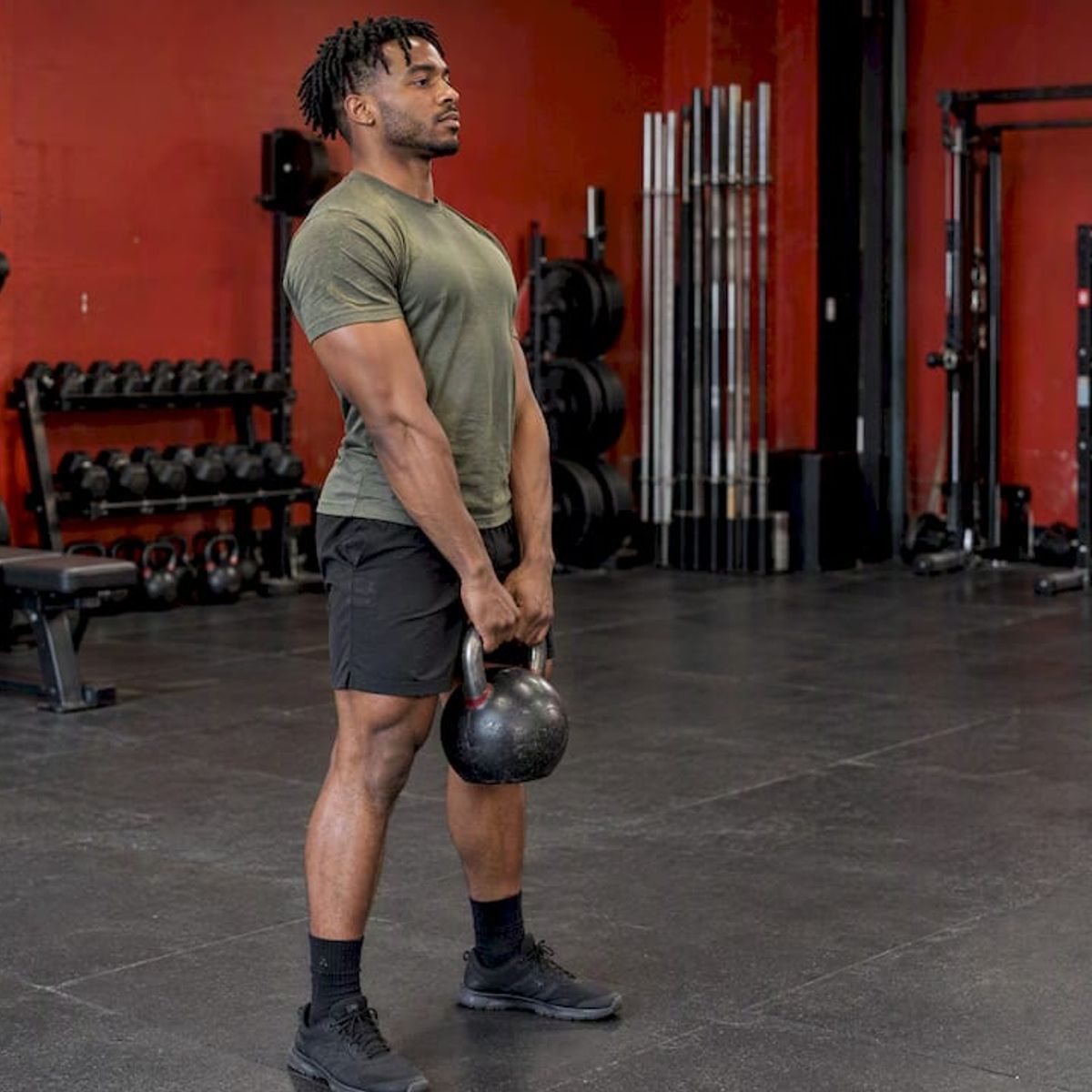
Integrate core demands into compound lifts. Squats, deadlifts, and overhead presses all require significant trunk stability. Performing them with proper bracing technique trains the core under load in a way that isolated exercises cannot replicate. A structured workout program that sequences these movements intelligently builds core strength as a byproduct of good training design.
Add dedicated stability work two to three times per week. Planks, side planks, Pallof presses, and cable anti-rotation holds train the core’s ability to resist movement, which is its primary job during most activities. These exercises build the endurance and motor control that raw strength work misses.
Progress deliberately. Move from stable to unstable, from bilateral to unilateral, and from slow to fast. Rushing to advanced exercises before mastering the basics is the most common reason core training fails to carry over into real-world performance. For guidance on balancing this work with your cardio and strength sessions, the Level Up Gym guide on balancing strength and cardio covers the programming logic clearly.
If you want to put this into practice with expert coaching behind you, Level Up Gym’s hybrid training programs in Stratford and Bridgeport, CT integrate core development into every session, whether you train in person or remotely. The programming is built around the principles covered here: deep stabilizer activation, progressive loading, and movement quality over volume.
Key Takeaways
A strong core is the foundation of spinal health, athletic power, and injury-free movement across every stage of life.
PointDetails
Core anatomy is broad
muscle pairs from diaphragm to pelvic floor stabilize the spine and pelvis together
Stability differs from strength
Neuromuscular timing and motor control matter more than raw force output for spinal protection.
Spine is vulnerable without core
The spine can become unstable at compressive forces as low as 90 N without active muscle support.
Core training reduces back pain
Meta-analyses of 1,500+ patients show strong treatment effect sizes for core stability training on pain and function.
Assess before you train
Dead bug, side plank, and single-leg squat tests reveal specific weaknesses before they become injuries.
FAQ
What is the main purpose of the core?
The core’s primary purpose is to stabilize the spine and pelvis, creating a solid base from which the limbs can generate and receive force safely. Without this stability, the spine is vulnerable to injury even under light loads.
Is core strength the same as core stability?
No. Core strength refers to force production, while core stability involves neuromuscular timing, motor control, and endurance. Both are necessary, but stability training, which focuses on coordination and recruitment patterns, is more directly linked to injury prevention and spinal health.
How often should you train your core?
Dedicated core stability work two to three times per week is sufficient for most people, provided compound lifts like squats and deadlifts are performed with proper bracing technique throughout the week.
Can a strong core actually prevent lower back pain?
Yes. Training the deep core muscles, particularly the transversus abdominis and multifidus, improves spinal stability and reduces both the frequency and severity of low back pain, as supported by meta-analyses covering more than 1,500 patients.
What are the best core exercises to start with?
Dead bugs, bird dogs, side planks, and Pallof presses are the most effective starting points because they train the deep stabilizers and anti-rotation capacity that crunches and sit-ups miss entirely.
Recommended
- The Role of Strength Training in Fat Loss Explained — Level Up Gym | Level Up Gym
- What Is Functional Fitness and Why It Matters — Level Up Gym | Level Up Gym
- The Role of Nutrition in Training: 2026 Guide — Level Up Gym | Level Up Gym
- Structured Workout Program Benefits for Real Results — Level Up Gym | Level Up Gym