Types of Strength Training Programs: Pick the Right One Fast
The six core types of strength training programs are bodybuilding (hypertrophy), powerlifting (maximal strength), Olympic weightlifting (power), calisthenics (skill and bodyweight strength), CrossFit-style hybrid conditioning, and plyometrics (explosiveness). Match your primary goal to the right category first, then worry about the details.
Here is a quick scan to find your starting point:
- Bodybuilding / hypertrophy: Build visible muscle. Best for beginners to intermediates who want size and body composition changes.
- Powerlifting: Maximize how much you can squat, bench, and deadlift. Suits intermediates and up who want raw strength numbers.
- Olympic weightlifting: Develop explosive power through the snatch and clean & jerk. Requires coaching; best for athletes or those drawn to technical lifting.
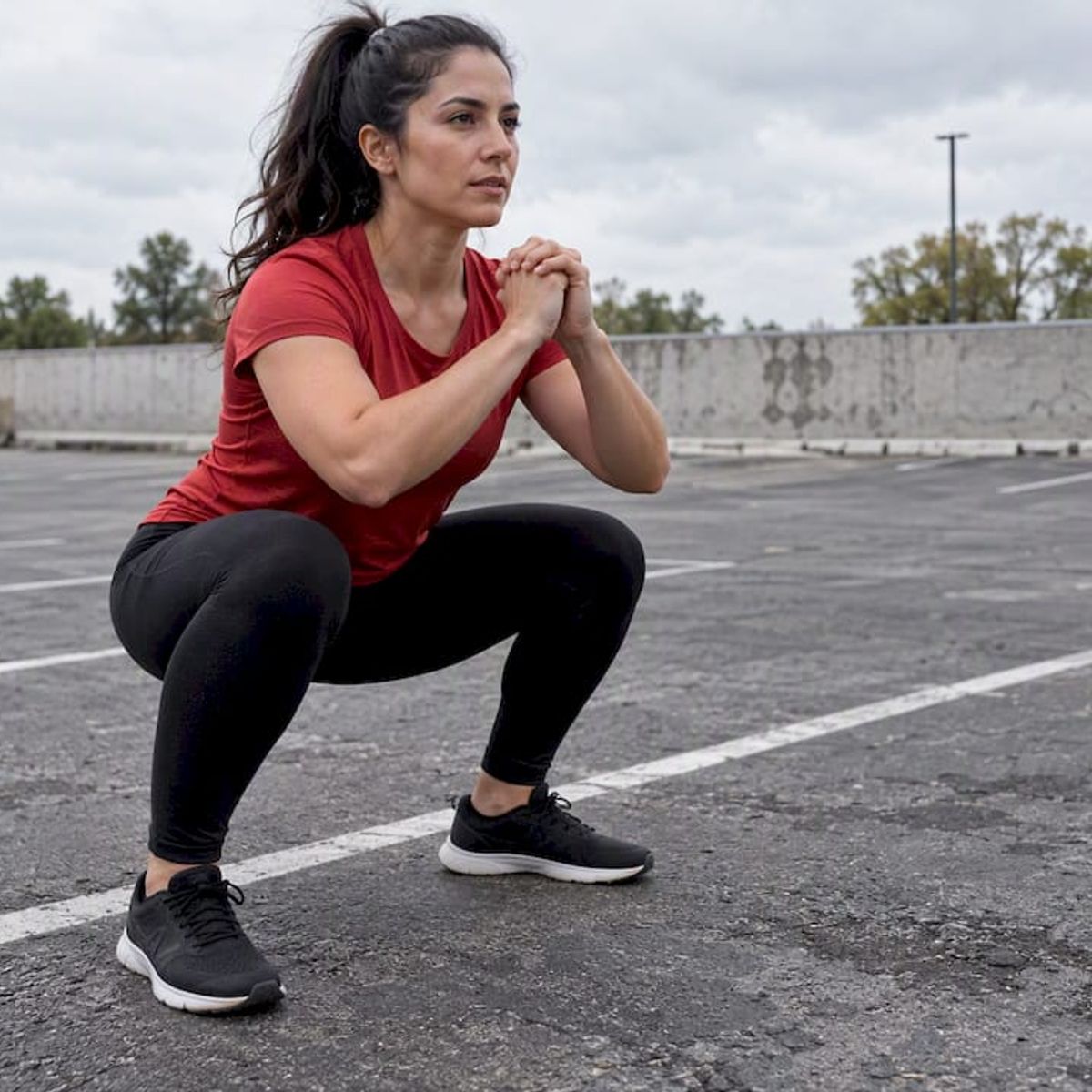
- Calisthenics: Build functional strength using bodyweight. Accessible for all levels; no gym required.
- CrossFit / hybrid conditioning: Mix strength and metabolic conditioning. Works for adults who want fitness variety and community structure.
- Plyometrics: Train speed and explosiveness. Usually a supplement to another program rather than a standalone plan.
- Full-body vs. split routines: Not a style on its own, but a structural choice. Full-body programs three times per week suit beginners, while upper/lower or push/pull splits are better for intermediates training four or more days per week.
Pick one or two that match your goal. The sections below will help you compare them side by side and choose with confidence.
Table of Contents
- How the main program types compare at a glance
- What strength training is and why it matters for adults
- The major types of strength training programs, explained
- How to pick the right program for your goals and life
- The core training variables every program uses
- Getting started safely: what to do before and during your first weeks
- Ready-to-run starter templates
- Key Takeaways
- What actually works in a coached gym setting
- Level Up Gym offers coached strength and hybrid programs in Connecticut
- Useful sources and further reading
- FAQ
How the main program types compare at a glance
Program TypeBest For (Goal)Primary OutcomeTypical Rep RangeEquipmentSkill LevelWeekly Frequency
Bodybuilding
Muscle size, body composition
Hypertrophy
6–15 reps
Barbells, dumbbells, machines
Beginner–Intermediate
3–5 days
Powerlifting
Maximal strength (squat/bench/deadlift)
Strength
1–5 reps
Barbell, squat rack
Intermediate–Advanced
3–4 days
Olympic Weightlifting
Explosive power, athleticism
Power
1–5 reps (technical)
Barbell, bumper plates, platform
Intermediate–Advanced
4–6 days
Calisthenics
Functional bodyweight strength
Strength + skill
Varies (progressions)
Minimal (pull-up bar, rings)
All levels
3–5 days
CrossFit / Hybrid
General fitness, conditioning
Conditioning + strength
Mixed
Full gym or box
Beginner–Advanced
3–5 days
Plyometrics
Explosiveness, athletic power
Power + speed
Low reps, high effort
Minimal (box, open space)
Intermediate
2–3 days
Full-body (beginner)
General strength, habit building
Strength + hypertrophy
5–12 reps
Barbell or dumbbells
Beginner
3 days
Upper/Lower Split
Volume and muscle balance
Hypertrophy + strength
6–12 reps
Full gym
Intermediate
4–6 days
To use this table: find your primary goal in column two, then check whether the equipment and skill level match your situation. Narrow it to two options, then read the detailed breakdowns below. If two programs look equally appealing, pick the one that fits your schedule without forcing you to skip sessions.
Pro Tip: Pick one primary goal per training block. Trying to maximize strength, size, and conditioning simultaneously almost always stalls progress in all three. Commit to one for 8–12 weeks, then reassess.
What strength training is and why it matters for adults
Strength training is any form of exercise that uses external resistance or bodyweight to increase the force your muscles can produce and improve neuromuscular coordination. That covers barbells, dumbbells, machines, resistance bands, and your own body weight. The common thread is progressive overload: making the work harder over time so your body keeps adapting.
The clinical benefits are well-documented and span well beyond aesthetics:
- Muscle mass: Resistance training is the most effective stimulus for building and preserving lean muscle at any age.
- Bone density: Loaded movement stresses bone tissue, prompting it to remodel and strengthen, which reduces fracture risk.
- Metabolic health: More muscle raises resting metabolic rate and improves insulin sensitivity.
- Functional independence: Stronger muscles make everyday tasks, from carrying groceries to climbing stairs, easier and safer.
- Chronic disease risk: Strength training can help manage or reduce risk for heart disease, diabetes, arthritis, and osteoporosis.
The reason so many distinct program types exist is that each one targets a different adaptation. Powerlifting optimizes neural drive and mechanical efficiency for heavy loads. Bodybuilding maximizes muscle fiber hypertrophy through volume and metabolic stress. Calisthenics builds relative strength and motor control. Understanding which adaptation you want is the fastest way to pick the right program.
The major types of strength training programs, explained
Bodybuilding / hypertrophy training
Bodybuilding programs prioritize muscle size through moderate-to-high volume, moderate loads, and controlled tempo. The goal is accumulating enough mechanical tension and metabolic stress to drive muscle fiber growth. Typical sessions run 4–6 exercises per muscle group, 3–4 sets each, at 8–15 reps.
Pros: Highly adaptable, works with almost any equipment, produces visible body composition changes relatively quickly for beginners. Cons: High weekly volume can be time-consuming; beginners sometimes chase isolation work before building a compound-lift foundation. Common beginner mistake: Skipping the Big Five compound lifts (squat, deadlift, bench press, shoulder press, pull-up) in favor of curls and cable flyes. Compounds build the base; isolation work refines it.
Sample upper-body hypertrophy session:
- Barbell bench press — 4 × 8–10
- Dumbbell row — 4 × 10–12
- Incline dumbbell press — 3 × 10–12
- Lat pulldown — 3 × 10–12
- Lateral raise — 3 × 15
- Tricep pushdown — 3 × 12–15
Powerlifting
Powerlifting centers on three lifts: the squat, bench press, and deadlift. Training is built around low rep ranges (1–5), heavy loads, and long rest periods. The goal is a single maximal effort, so programs emphasize neural adaptations, technique under load, and peaking cycles.
Pros: Produces the greatest absolute strength gains; highly structured and measurable. Cons: Demands significant technique investment; injury risk rises quickly when form breaks down under heavy loads. Not the fastest route to visible muscle size. Common beginner mistake: Testing a one-rep max too early. Most coaches recommend staying in the 3–5 rep range for months before attempting true maxes.
Sample powerlifting lower-body session:
- Back squat — 5 × 3 at 80–85% of 1RM
- Romanian deadlift — 3 × 5
- Leg press — 3 × 8
- Hamstring curl — 3 × 10
Olympic weightlifting
The snatch and the clean & jerk are the two competition lifts. Both demand explosive hip extension, precise timing, and overhead stability. Olympic weightlifting is as much a skill sport as a strength sport, which is why it typically requires one-on-one coaching to learn safely.
Pros: Builds elite-level power and athleticism; transfers well to sports performance. Cons: Steep learning curve; requires specialized equipment (bumper plates, a platform) and ideally a qualified coach. Not a beginner-friendly starting point. Common beginner mistake: Loading the bar before the movement pattern is clean. Poor technique under load in Olympic lifts leads to wrist, shoulder, and lower-back injuries.
Sample Olympic lifting session:
- Hang power clean — 5 × 3
- Front squat — 4 × 4
- Push press — 4 × 4
- Romanian deadlift — 3 × 5
Calisthenics
Calisthenics uses bodyweight progressions to build strength, coordination, and body control. The progression model works differently from barbell training: instead of adding weight, you advance to harder movement variations (push-up → archer push-up → one-arm push-up; pull-up → weighted pull-up → muscle-up).
Pros: No gym required; builds impressive relative strength and body control; low equipment cost. Cons: Adding load is less straightforward than adding a plate; upper-body pushing tends to dominate, so deliberate lower-body and posterior chain work is needed. Common beginner mistake: Rushing to advanced skills (muscle-up, handstand push-up) before mastering foundational reps with solid form.
Sample calisthenics full-body session:
- Pull-ups — 4 × max reps
- Push-ups (weighted or elevated) — 4 × 15–20
- Pistol squat progressions — 3 × 8 per leg
- Dip — 3 × 12
- Hollow body hold — 3 × 30 seconds
CrossFit / hybrid conditioning
CrossFit-style programs combine strength work (usually barbell or gymnastics) with metabolic conditioning workouts (metcons) done at high intensity. The appeal is variety and community; the challenge is managing fatigue when volume spikes.
Pros: Builds broad fitness across strength, endurance, and skill; community-driven structure increases adherence for many people. Cons: High-volume metcons can interfere with strength and hypertrophy gains if not programmed carefully. Overuse injuries are a real risk when intensity is pushed before movement quality is established. Common beginner mistake: Treating every session as a competition. Scaling movements and loads appropriately is what makes hybrid conditioning safe and productive long-term.
Sample CrossFit-style session:
- Back squat — 5 × 5 (strength block)
- Metcon (AMRAP 12 min): 10 kettlebell swings, 10 box jumps, 10 ring rows
Plyometrics
Plyometric training uses rapid stretch-shortening cycles to develop explosive power. Think box jumps, depth jumps, broad jumps, and medicine ball throws. It is rarely a standalone program for adults; it works best as a two-day-per-week addition to a strength base.
Pros: Directly improves athletic power and speed; short sessions. Cons: High impact; requires a solid strength foundation (generally a back squat of at least 1.5x bodyweight is recommended before heavy plyometric loading). Not appropriate for true beginners. Common beginner mistake: Doing plyometrics on fatigued legs. Fresh legs are non-negotiable for safe, effective explosive work.
Sample plyometric session (2x/week add-on):
- Box jump — 4 × 5
- Broad jump — 4 × 4
- Depth jump — 3 × 4
- Medicine ball slam — 3 × 8
Full-body vs. split routines
This is a structural decision, not a separate training style. Full-body programs train all major muscle groups in each session, typically 3 days per week with rest days between. They suit beginners because the higher frequency per muscle group accelerates skill acquisition and early strength gains.
Split routines divide muscle groups across sessions (upper/lower, push/pull/legs). They make sense once you can sustain 4 to 6 training days per week and need more volume per muscle group than a full-body session can fit. Research supports full-body programs three times per week for beginners and split programs for those who can train four to six sessions weekly.
Hybrid / functional programs
Hybrid programs blend two or more training goals, typically strength and conditioning, within a structured weekly plan. Done well, they produce a capable, resilient athlete. Done poorly, they produce chronic fatigue and stalled progress in everything. The key is separating the stimuli: strength work comes first in a session or on dedicated days, and conditioning work is scheduled so it does not gut recovery for the next strength session. Balancing strength and cardio effectively requires deliberate session sequencing, not just stacking both into every workout.
How to pick the right program for your goals and life
The decision is simpler than most people make it. Work through these four steps:
- Define your primary goal. Muscle size, maximal strength, general fitness, or athletic power? Prioritize one goal per training block. Trying to optimize everything at once reliably produces mediocre results across the board.
- Match goal to program type. Size → bodybuilding. Max strength → powerlifting. General fitness → full-body or hybrid. Athletic power → Olympic lifting or plyometrics. Skill-based strength → calisthenics.
- Check your constraints. How many days per week can you train, realistically? What equipment do you have access to? Do you have any injury history that limits certain movements?
- Select a beginner or intermediate template. Experience bands matter: 0–12 months of consistent training is beginner, 1–3 years is intermediate, 3+ years is advanced. Most adults starting or restarting should use a beginner template regardless of age.
Diagnostic questions to answer before you commit:
- Can you train at least 3 days per week consistently?
- Do you have access to a barbell and squat rack, or only dumbbells and machines?
- Do you have a current injury or movement limitation that rules out certain exercises?
- Are you willing to learn technical lifts (Olympic lifting, advanced calisthenics), or do you want a simpler learning curve?
- Is your primary goal performance-based (strength numbers, athletic output) or appearance-based (muscle size, body composition)?
Red flags that signal a poor program choice:
- A hypertrophy program with fewer than 10 working sets per muscle group per week.
- A powerlifting program that has you testing a one-rep max in week one.
- Any program that demands 6 days per week when your schedule realistically allows 3.
- Programs that change every two weeks. Consistency beats novelty every time.
The core training variables every program uses
You will see these terms in every program description. Here is what they mean and why they matter:
- Sets: The number of rounds of an exercise you complete. Most programs use 3–5 working sets per exercise.
- Reps: Repetitions within a set. Rep range is the primary dial for targeting different adaptations.
- Intensity (%1RM): How heavy the load is relative to your one-rep maximum. Heavy (85%+) builds maximal strength; moderate (65–80%) drives hypertrophy; lighter loads (under 65%) build muscular endurance.
- Volume: Total work done, usually measured as sets × reps × load. Hypertrophy responds strongly to volume; strength responds more to intensity.
- Frequency: How often you train a muscle group per week. Two times per week per muscle group is a solid baseline for most goals.
- Progressive overload: Systematically increasing the demand over time, whether by adding load, reps, sets, or reducing rest. Without it, adaptation stops.
Rep ranges and typical outcomes:
The traditional view is that 1–5 reps builds strength, 6–12 builds hypertrophy, and 13+ builds endurance. That framework is useful as a starting point, but recent research shows hypertrophy can occur across a wide range of loads when sets are taken close to failure. In practice, most well-designed programs combine loading ranges rather than staying in one zone exclusively.
Simple volume example:
- Hypertrophy target: 10–20 working sets per muscle group per week, spread across 2–3 sessions.
- Strength target: 10–15 heavy sets per week on the main lifts, with lower total rep counts.
Periodization models:
- Linear progression: Add a small amount of weight each session. Works well for beginners because they adapt quickly. A beginner can often add 5 lbs to the squat every session for months.
- Undulating periodization: Vary rep ranges and intensity across sessions or weeks (heavy day, moderate day, light day). Better for intermediates who have exhausted linear gains.
A realistic timeline: most beginners notice strength improvements within 4–6 weeks and visible muscle changes within 8–12 weeks of consistent training.
Getting started safely: what to do before and during your first weeks
Starting right matters more than starting perfectly. A few precautions prevent the injuries and discouragement that derail most beginners.
Pre-start checklist:
- Get medical clearance if you have cardiovascular risk factors, joint issues, or have been sedentary for more than a year.
- Do a basic movement screen: can you squat to parallel, hinge at the hips, and press overhead without pain? If not, address those limitations before loading them.
- Set a realistic frequency: two to three full-body sessions per week is the right starting point for most adults.
- Plan a warm-up: 5–10 minutes of light cardio followed by dynamic mobility work (leg swings, arm circles, hip circles) before every session.
Safety rules that matter:
- Technique before load. Always. A squat with 95 lbs done correctly builds more than a squat with 185 lbs done dangerously.
- Follow percentage-based or RPE (Rate of Perceived Exertion) progression rather than ego-loading. Add weight only when you can complete all reps with solid form.
- Rest at least 48 hours between sessions targeting the same muscle group. UpToDate clinical guidelines recommend waiting 3–4 days between workouts for a particular muscle group.
- Seek a coach for Olympic lifts or any movement that causes pain. A few sessions with an NSCA-certified trainer pays dividends in injury prevention.
Common beginner pitfalls:
- Program-hopping after two weeks because progress feels slow. Consistency and progressive overload are the dominant predictors of success, not program novelty.
- Skipping warm-ups to save time. Cold muscles under load is how strains happen.
- Ignoring sleep and recovery. Muscle is built during rest, not during the workout itself.
Pro Tip: Start every session with the same 3–4 compound movements for the first 8 weeks. Repetition builds motor patterns faster than variety does. Once those patterns feel automatic, add accessory work.
Pro Tip: Use the “two-rep rule” for progression: when you can complete two extra reps beyond the top of your target range on two consecutive sessions, add weight.
Ready-to-run starter templates
Template A: 3-day beginner strength program (full-body, linear progression)
Suited for: 0–12 months of training experience. Train Monday, Wednesday, Friday.
DayExerciseSets × RepsNotes
A (Mon/Fri)
Back squat
3 × 5
Add 5 lbs each session
A
Bench press
3 × 5
Add 5 lbs each session
A
Barbell row
3 × 5
Add 5 lbs each session
B (Wed)
Back squat
3 × 5
Same progression
B
Overhead press
3 × 5
Add 5 lbs each session
B
Deadlift
1 × 5
Add 10 lbs each session
Progression rule: Add the stated weight every session. When you miss reps twice at the same weight, reduce by 10% and rebuild. Deload (reduce load by 10–15%) every 4–6 weeks.
Nutrition note: Aim for 0.7–1 gram of protein per pound of bodyweight daily. Sleep 7–9 hours. These two variables have more impact on early progress than any accessory exercise.
Template B: 4-day hypertrophy split (upper/lower, intermediate)
Suited for: 1–3 years of training experience. Train Monday, Tuesday, Thursday, Friday.
DayFocusPrimary LiftsSets × Reps
Monday
Upper (push emphasis)
Bench press, incline DB press, overhead press, tricep work
4 × 8–10
Tuesday
Lower (quad emphasis)
Squat, leg press, leg extension, calf raise
4 × 8–12
Thursday
Upper (pull emphasis)
Barbell row, pull-up, face pull, bicep curl
4 × 8–12
Friday
Lower (hinge emphasis)
Romanian deadlift, leg curl, hip thrust, split squat
4 × 10–12
Progression rule: Add one rep per set each week until you hit the top of the range, then add weight and drop back to the bottom. Deload every 6–8 weeks.
Nutrition note: A modest caloric surplus (200–300 calories above maintenance) accelerates muscle gain. Use Level Up Gym’s free macro calculator to estimate your starting targets.
Template C: 3-day hybrid / general fitness plan
Suited for: Any level. Combines strength and conditioning. Train Monday, Wednesday, Friday.
DayStrength BlockConditioning Block
Monday
Squat 4 × 5, Press 3 × 8
15-min AMRAP: 10 KB swings, 10 push-ups, 200m run
Wednesday
Deadlift 3 × 5, Pull-up 3 × max
20-min EMOM: 5 box jumps, 8 ring rows
Friday
Front squat 3 × 6, DB row 3 × 10
12-min circuit: 10 burpees, 12 goblet squats, 10 dips
Progression rule: Add load to the strength block weekly. Increase conditioning intensity (load, reps, or pace) every 2–3 weeks. Keep strength work first in every session so fatigue does not compromise technique on the main lifts. For more hybrid workout examples, the Level Up Gym blog covers practical session designs in detail.
Recovery note: With three demanding sessions per week, sleep quality and protein intake become even more critical. Consider nutrition coaching if diet is the variable you are least confident about.
Key Takeaways
Matching your primary goal to the right program type, then staying consistent with progressive overload for at least 8–12 weeks, is what separates adults who get results from those who spin their wheels.
PointDetails
Match goal to program type
Hypertrophy → bodybuilding; maximal strength → powerlifting; general fitness → full-body or hybrid.
Beginners start full-body
Train 3 days per week with compound lifts and linear progression before moving to splits.
Rep ranges are flexible
Hypertrophy can occur across a wide range of loads; combine loading zones rather than staying in one range.
Consistency beats complexity
Progressive overload and adherence predict results more than any specific program design.
Level Up Gym
Offers coached hybrid and strength programs in Connecticut for adults who want structure and accountability.
What actually works in a coached gym setting
Most adults who walk into a gym with a goal already know roughly what they want: more muscle, more strength, or just to feel better. What they underestimate is how much the program type matters less than the environment and accountability around it.
The clients who make the fastest progress are rarely the ones with the most sophisticated programs. They are the ones who show up three times a week, add a little weight when they can, and do not disappear for six weeks when life gets busy. That pattern holds whether someone is running a basic barbell program or a coached hybrid class.
What I see most often at Level Up Gym is that beginners thrive on simplicity: a handful of compound movements, clear progression rules, and someone to check their form. Intermediates tend to stall not because their program is wrong, but because they have stopped pushing hard enough on the sets that count. The fix is rarely a new program. It is usually more intensity on the same lifts, or a structured deload to reset recovery.
The one thing that consistently separates people who reach their goals from those who do not is the decision to commit to a single program for long enough to actually see what it produces. Eight to twelve weeks is the minimum. Most people switch before they ever find out.
Level Up Gym offers coached strength and hybrid programs in Connecticut
If you have read this far and still feel uncertain which program type fits your situation, that is exactly the problem a coach solves in one conversation. Level Up Gym runs coached hybrid training programs at its Stratford and Bridgeport locations, designed for adults who want a structured plan without having to build one from scratch.
What you get when you train at Level Up Gym:
- Coached strength and hybrid sessions with programming built around your goal and experience level.
- Boxing and kickboxing classes that double as conditioning work, so your cardio does not eat into your strength recovery.
- Nutrition support and meal planning guidance to back up whatever program you are running.
- A training environment built for people who are serious about progress, not just showing up.
Whether you are in Stratford, Bridgeport, or anywhere nearby in Connecticut, the next step is straightforward: book a session at Level Up Gym Stratford and talk to a coach about which program type fits your goals right now.
Useful sources and further reading
- UpToDate: Practical guidelines for implementing a strength training program for adults — Clinical-grade overview of strength training benefits, ACSM-style prescriptions, and sample novice programs. The most authoritative starting point for evidence-based program design.
- PMC: Loading Recommendations for Muscle Strength, Hypertrophy, and Local Endurance — Peer-reviewed re-examination of the rep continuum. Essential reading if you want to understand why modern programs combine loading ranges rather than staying in a single rep zone.
- Stronger by Science: The Complete Strength Training Guide — One of the most thorough free resources on programming principles, progressive overload, and habit formation for beginners and intermediates.
- Muscle & Strength: How to Choose Your Next Training Program — Practical framework for matching goals and experience levels to program types, with concrete program recommendations.
- Harvard Health: Guide to starting a strength training program — Accessible, medically reviewed introduction to strength training for adults, including frequency, sets, reps, and safety guidance.
- Strength Ambassadors: What are the Big 5 Compound Lifts? — Clear explanation of why the five foundational compound movements anchor most effective strength programs.
- Pulso: How to Choose a Training Program — Practical guide on full-body versus split program selection based on training frequency and experience.
- Level Up Gym Blog — Local coaching perspective on structured programming and the benefits of consistency over program complexity.
FAQ
What are the four main types of strength training?
The four most commonly cited categories are muscular strength training (low reps, heavy loads), muscular hypertrophy training (moderate reps and volume), muscular endurance training (higher reps, lighter loads), and power training (explosive movements like Olympic lifts and plyometrics). Most real-world programs blend two or more of these.
What are the Big Five strength training exercises?
The Big Five compound lifts are the deadlift, back squat, bench press, overhead shoulder press, and pull-up. These five movements cover the major human movement patterns and form the foundation of most effective strength programs regardless of style.
How do I choose between powerlifting and bodybuilding?
Choose powerlifting if your primary goal is maximizing how much weight you can lift on the squat, bench, and deadlift. Choose bodybuilding if your primary goal is muscle size and body composition. Both build strength and muscle, but they prioritize different adaptations and use different rep ranges and volume structures.
How many days per week should a beginner strength train?
Two to three full-body sessions per week is the right starting point for most beginners. Harvard Health notes that two days per week of full-body training can produce measurable changes in muscle strength, with noticeable results typically appearing after 4–6 weeks of consistent training.
What is the difference between a full-body program and a split routine?
A full-body program trains all major muscle groups in each session, typically 3 days per week, and suits beginners because the higher per-muscle frequency accelerates early adaptation. A split routine divides muscle groups across sessions and works better for intermediates who can train 4 or more days per week and need more volume per muscle group than a single session can accommodate.
Recommended
- Strength Train Three Days Weekly: Build Muscle That Lasts — Level Up Gym | Level Up Gym
- Structured Workout Program Benefits for Real Results — Level Up Gym | Level Up Gym
- Types of Coached Fitness Programs for Every Goal — Level Up Gym | Level Up Gym
- How to Balance Strength and Cardio Sessions Effectively — Level Up Gym | Level Up Gym