10–30 Minute After Work Workouts Malcolm Recommends for Tired Days
If you’re mildly tired, a short, scaled-down workout is usually fine and can leave you feeling better than sitting on the couch. If you’re running on severe exhaustion or real sleep debt, the smarter move is active recovery or rest, since sleep loss reduces strength and power output. Sleep comes first: aim for 7 or more hours whenever you can.
TL;DR:
- Exercising with severe exhaustion or sleep deprivation can impair strength and increase injury risk, making active recovery or rest the best options.
- A quick walk or gentle mobility work can boost energy and support sleep better than a strenuous workout when feeling drained.
- Short workouts of 10 to 20 minutes, scaled to your energy level, can still provide benefits and are more sustainable after a long workday.
- Prioritizing at least 7 hours of sleep per night is crucial for recovery, while less than 5-6 hours significantly reduces performance and elevates fatigue.
- Scheduling workouts as fixed appointments and choosing coach-led classes can help overcome gym anxiety and maintain consistency when tired.
Level Up Gym
Make Short Workouts More Consistent
Level Up Gym offers coached fat loss, strength, and boxing training for Fairfield County adults, with beginners welcome and no contracts.
Table of Contents
- When should you skip, scale back, or push through a workout?
- How do you stay motivated to train after a long workday?
- Which 10 to 30 minute workouts fit a tired evening?
- Can low-intensity movement actually boost your energy?
- How does sleep affect your workouts and when should you stop?
- How do you get past gym anxiety when you’re exhausted?
- What do real after-work training plans actually look like?
- Being realistic about after-work training
- Training support for people who are too tired to plan it themselves
- FAQ
- Sources
When should you skip, scale back, or push through a workout?
The first step is figuring out what kind of tired you actually are. Mental fatigue from a stressful day at a desk often lifts within ten minutes of movement. Physical exhaustion from poor sleep, illness, or back-to-back hard training days usually doesn’t, and pushing through it raises your injury risk.
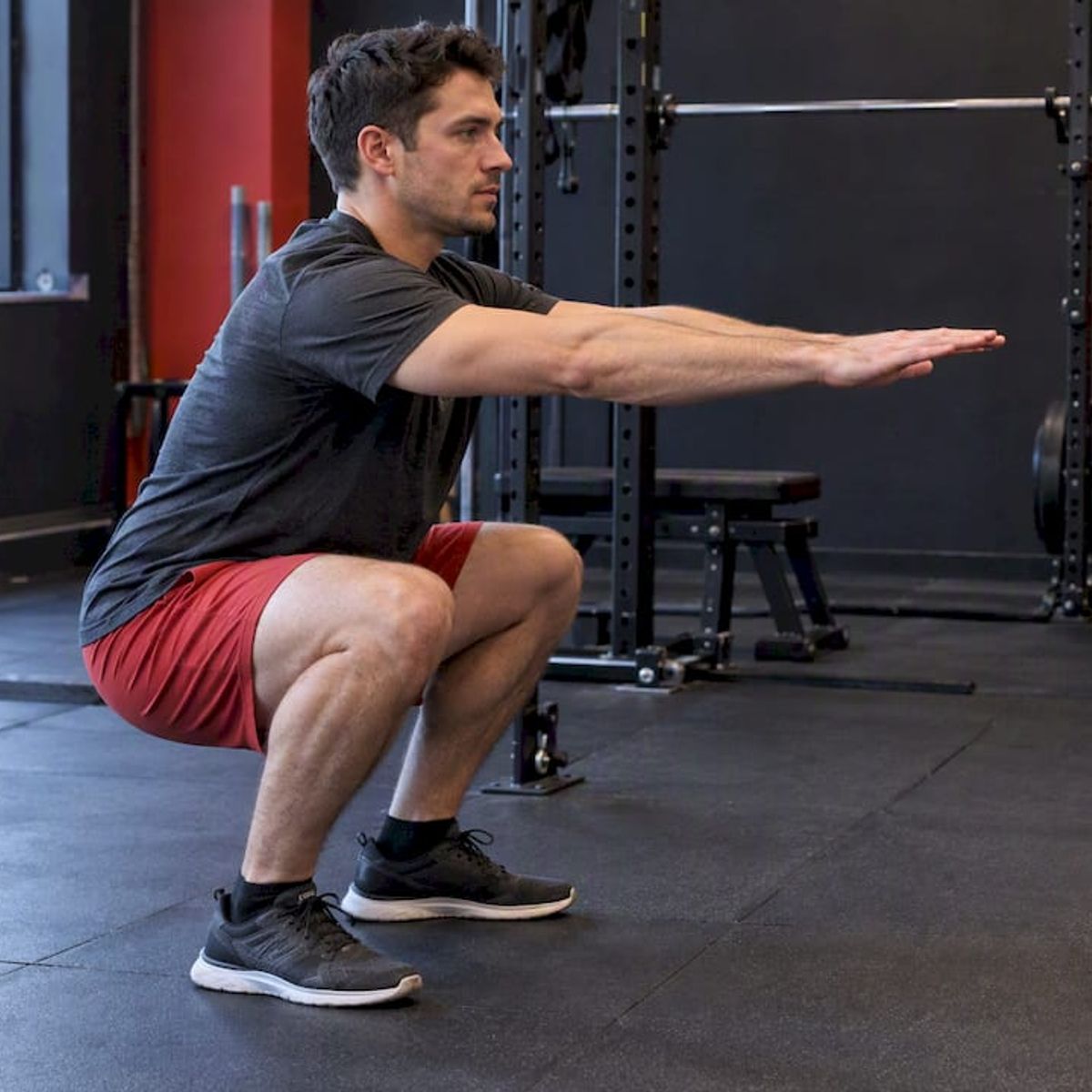
A quick test helps you tell the difference before you commit to a full session. Walk briskly for five minutes or do a light warm-up set of bodyweight squats. If your energy climbs and your form feels normal, you’re likely dealing with mental fatigue and a short workout will probably help. If you feel shaky, your coordination is off, or your heart rate spikes for no reason, that’s physical fatigue talking, and it’s worth backing off.
Some signs mean you should stop and seek care right away, not just modify your workout:
- Chest pain or pressure during or after activity.
- Sudden, severe dizziness or fainting.
- Shortness of breath that doesn’t ease with rest.
- Pain that lingers for more than three days without improving.
As a general rule, if you’ve slept fewer than 5 to 6 hours or your performance has clearly dropped off from your normal baseline, scale the session way down or skip it. If it’s just low motivation after a long day and your body feels otherwise normal, a short session is often the right call, and it tends to be easier than you expect once you start moving.
How do you stay motivated to train after a long workday?
Motivation after work rarely shows up on its own. What works better is removing the decisions that drain your willpower before you even get there.
- Block the workout on your calendar like a meeting you can’t cancel, not a vague intention.
- Pack your gym bag the night before so there’s no packing decision to make when you’re tired.
- Set a micro-goal of just 10 to 20 minutes. Once you’re moving, you can always extend it.
- Choose a coach-led class or a pre-written short session instead of building your own program on the fly.
- Pick an off-peak time slot if a crowded gym feels like one more obstacle after a draining day.
Letting someone else handle the programming removes a surprising amount of friction. A coach-led class or structured short session means you show up, follow the plan, and leave, with no mental math about sets, reps, or what muscle group you worked yesterday.
Pro Tip: Lay your gym clothes on top of your work clothes in the morning. Seeing them when you get dressed makes the after-work workout feel like the plan instead of an extra decision.
Which 10 to 30 minute workouts fit a tired evening?
Having a ready-made template on hand cuts out the decision fatigue that kills after-work consistency. Pick the one that matches your energy level rather than forcing a hard session when your body is asking for something gentler.
Template A: 20-minute low-energy strength circuit Three rounds, slow and controlled, resting as needed between rounds:
- Bodyweight squats, 10 reps.
- Push-ups (knees down if needed), 8 reps.
- Glute bridges, 12 reps.
- Plank hold, 20 to 30 seconds.
Template B: 15 to 20 minute metabolic session (scaled) Set a timer for an EMOM (every minute on the minute) or AMRAP (as many rounds as possible) format, but drop the intensity if you’re tired:
- Minute 1: 8 kettlebell swings or light dumbbell swings.
- Minute 2: 10 step-ups per leg.
- Minute 3: 20-second wall sit. Repeat for 15 to 20 minutes, slowing the pace rather than skipping rounds.
Template C: 10 to 15 minute mobility and breathwork reset Hip openers, a slow cat-cow sequence, and 2 minutes of slow nasal breathing to downshift out of work mode. This one is for days when strength or metabolic work feels like too much, but sitting still feels wrong too.
Warm up for 3 to 5 minutes with easy movement before any of these, and finish with a short cool-down stretch. Our energy-boosting workout examples break down scaling cues in more detail, and the broader case for why short workouts still work explains why 15 minutes done consistently beats an hour done sporadically. For more minimalist structures, Gripnatic’s minimalist workout routines offer additional short-session formats worth trying.
Can low-intensity movement actually boost your energy?
Skipping the gym entirely isn’t the only alternative to a hard workout. Active recovery, meaning easy, low-impact movement, sits in the middle and often works better than either extreme when you’re drained.
- A 20-minute walk outside.
- An easy stationary bike ride at a conversational pace.
- A slow mobility flow targeting hips, shoulders, and spine.
- Five minutes of diaphragmatic breathing before switching to any movement at all.
Low-intensity exercise reduced fatigue symptoms by 65% in participants with persistent fatigue, a finding that supports choosing gentle movement over total rest on genuinely low-energy days.
Active recovery supports sleep rather than competing with it, since it doesn’t spike your nervous system the way hard training can. ACSM guidance on recovery notes that active recovery, hydration, and nutrition form the foundation of fitness recovery, and recommends finishing intense exercise at least three hours before bedtime if sleep is a concern. On nights when you’re deciding between a hard session and a walk, the walk is usually the better bet if sleep quality matters more to you right now than training volume.
How does sleep affect your workouts and when should you stop?
Sleep is the variable that decides almost everything else on this list. The CDC recommends at least 150 minutes of moderate activity per week, paired with 7 or more hours of sleep per night for recovery and long-term health. Skip one and the other suffers.
Even short-term sleep loss has a measurable effect on performance. Two nights of sleep deprivation impair mood, motivation, and some measures of motor performance, which explains why a workout that felt easy last week can feel brutal after a couple of rough nights. A broader review found that acute and chronic sleep loss often reduce muscle strength, power, and endurance, though the effects vary by task and tend to compound after multiple nights of poor sleep.
If pain lasts more than three days, or you notice chest pain, persistent dizziness, or trouble breathing, seek medical attention rather than pushing through another session.
Watch for repeated poor performance as a signal, not just a bad day. If your lifts, pace, or endurance keep dropping across multiple sessions despite adequate rest days, that pattern is worth mentioning to a doctor or a coach rather than training through it.
How do you get past gym anxiety when you’re exhausted?
Gymtimidation gets worse, not better, when you’re tired. A low-energy brain has less patience for crowded locker rooms, unfamiliar equipment, or figuring out what to do next, so the fix is to reduce decisions before you walk in.
- Do a 2 to 5 minute mobility sequence or roll a tennis ball under your feet as a transition ritual before changing clothes.
- Change into gym clothes immediately after work, before you have time to talk yourself out of it.
- Bring a written 20-minute plan instead of improvising once you arrive.
- Pick off-peak hours, early morning or mid-afternoon lulls, when the floor is quieter.
- Choose a scheduled, coach-led class so someone else owns the plan and the pace.
Scheduling workouts like appointments and leaning on coach-led classes are more reliable than willpower for getting through the door on a tired day, and a pre-planned short session lowers the mental load that makes gymtimidation worse in the first place.
Pro Tip: Keep one 20-minute plan saved on your phone that you never have to think about. On the days you’re too drained to plan anything, that’s the one you default to.
What do real after-work training plans actually look like?
A 20-minute after-work template works best when it’s short enough to start without hesitation but structured enough to deliver a real result. One version many beginners fall into after a long shift: five minutes of mobility, ten minutes of a scaled strength circuit like Template A above, and five minutes of breathing or stretching to close it out. It’s not flashy, but it’s repeatable, which matters more than intensity on a tired Tuesday.
A 6-week onramp style structure helps for anyone who finds daily decision-making about workouts exhausting on top of everything else. Having six weeks of sessions already mapped out removes the guesswork entirely: you just show up and follow the plan, adjusting intensity as needed. For students or anyone juggling a packed schedule, our 20-minute plan for exam week and quick sessions between classes apply the same logic to a different kind of time crunch.
Being realistic about after-work training
Most advice about after-work workouts assumes you have more energy than you do. The better goal isn’t a perfect hour at full intensity. It’s showing up consistently, even if that means 15 minutes of mobility work on a rough day instead of the hour you planned.
Sleep outranks training on the list of things to protect. A missed workout costs you nothing permanent. Chronic sleep debt compounds for weeks. Celebrate the short sessions instead of feeling guilty about skipping the long ones, and if fatigue doesn’t lift after a few nights of real rest, that’s worth raising with a doctor rather than pushing through with another workout.
Pick one template from this guide and try it this week. You’ll learn more about your own energy patterns from one real attempt than from another article.
— Malcolm
Training support for people who are too tired to plan it themselves
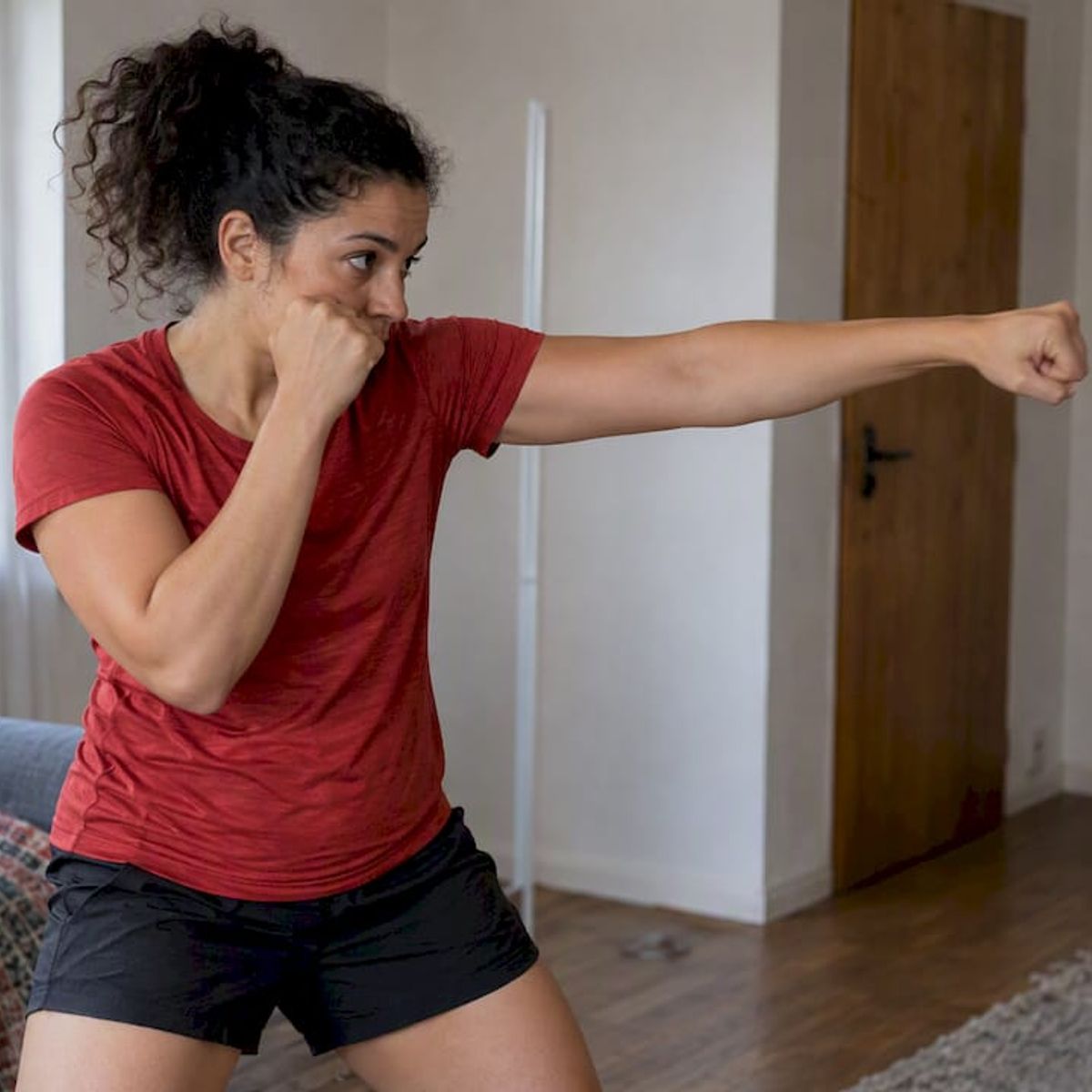
We built our programming around the fact that most people aren’t short on willpower after work, they’re short on energy and decision-making bandwidth. Our 6-Week Onramp gives beginners a mapped-out, done-for-you schedule for $699 one-off, so there’s nothing to plan on a tired Thursday beyond showing up.
For ongoing support, we offer a few paths depending on how much structure you want:
- 1-on-1 Personal Training for a fully individualized plan that scales to your energy that day.
- Small Group PT (2 to 4 people) for coached accountability at a lower cost.
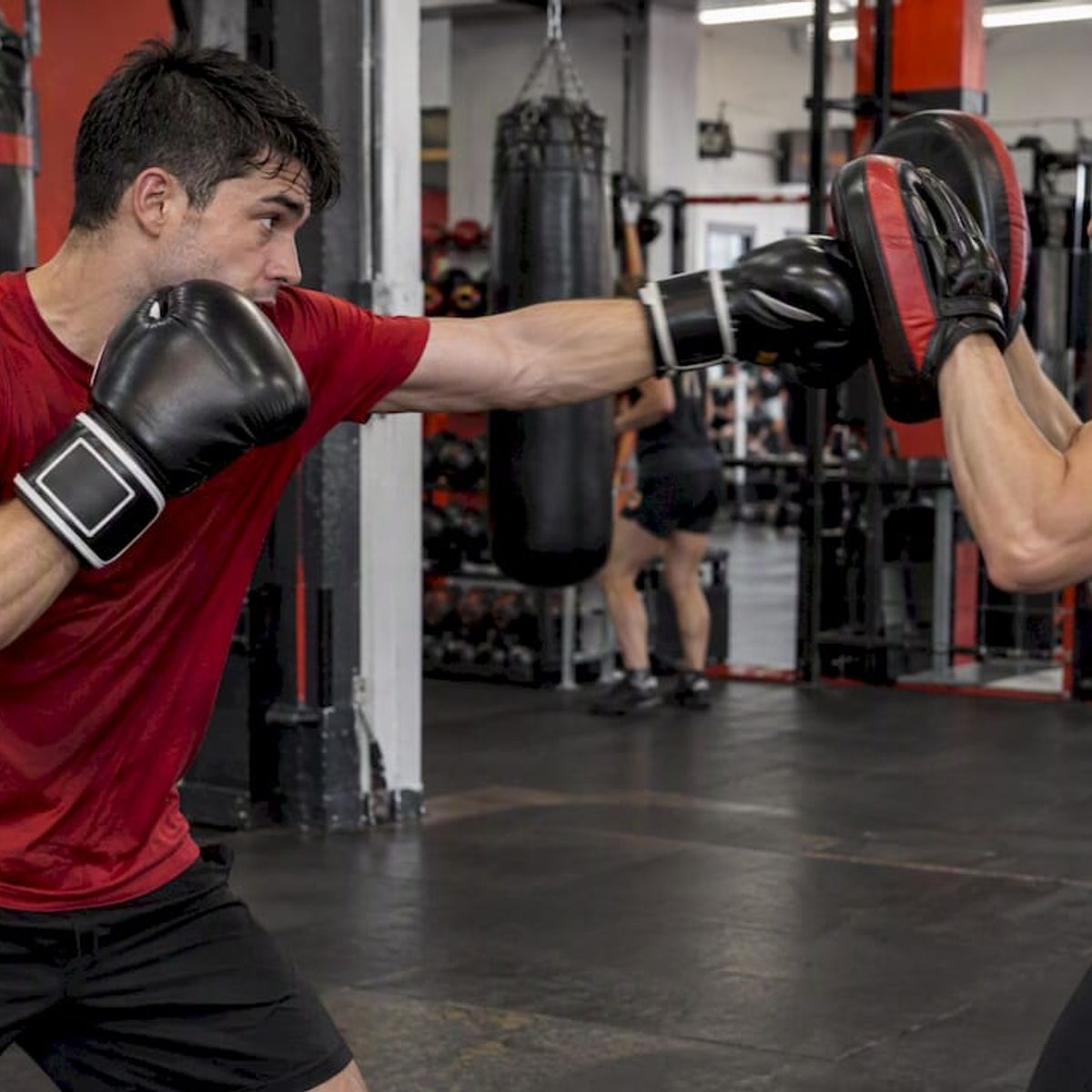
- Large Group Classes for a capped-size, coach-led session where someone else handles the programming.
- Online Training for remote sessions on days you can’t make it to the gym.
Our classes stay capped in size, with coaches giving real attention rather than a generic cardio boxing format, and every new member starts with a free class or consult and a written, individualized plan. There are no contracts, so you can test whether the structure actually fits your week. If you want to see what a coach-led, low-decision session feels like, book a free class at our Stratford location and bring whatever energy you’ve got left after work.
FAQ
Should I work out if I’m tired after work?
A mild workout is usually fine and can boost your energy more than resting, but if you’re severely exhausted or sleep-deprived, scaling down to active recovery or skipping the session is the safer choice. Use a short warm-up as a test: if your energy improves, proceed; if you feel shaky or your coordination is off, stop.
Does DOMS ever go away?
Yes, delayed onset muscle soreness (DOMS) typically resolves on its own within 3 to 5 days as muscles recover and adapt. If soreness lasts longer than three days or worsens rather than fading, it’s worth checking with a doctor rather than assuming it’s normal training soreness.
What is gym anxiety?
Gym anxiety, sometimes called gymtimidation, is the discomfort or self-consciousness some people feel about unfamiliar equipment, crowded spaces, or being watched while working out. Practical fixes like scheduling workouts as fixed appointments, attending coach-led classes, and training during off-peak hours tend to work better than relying on willpower alone.
Is it okay to go to the gym after work?
For most people with mild to moderate tiredness, yes, a scaled workout after work is safe and can improve mood and energy. The main exception is when you’re dealing with significant sleep debt or physical warning signs like chest pain or severe dizziness, in which case rest or medical attention comes first.
How much sleep do I need to recover from workouts?
The CDC recommends 7 or more hours of sleep per night to support recovery and overall health. Getting less than that on a regular basis can reduce strength, power, and endurance, so prioritizing sleep often matters more than squeezing in one more hard session.
Sources
- Physical Activity Guidelines for Americans (CDC)
- When to seek medical care for pain (MedlinePlus)
- Recovery is active (ACSM)
- Effects of two nights of sleep deprivation on executive function and fatigue (PubMed)
- Systematic review on sleep deprivation and strength (PMC)