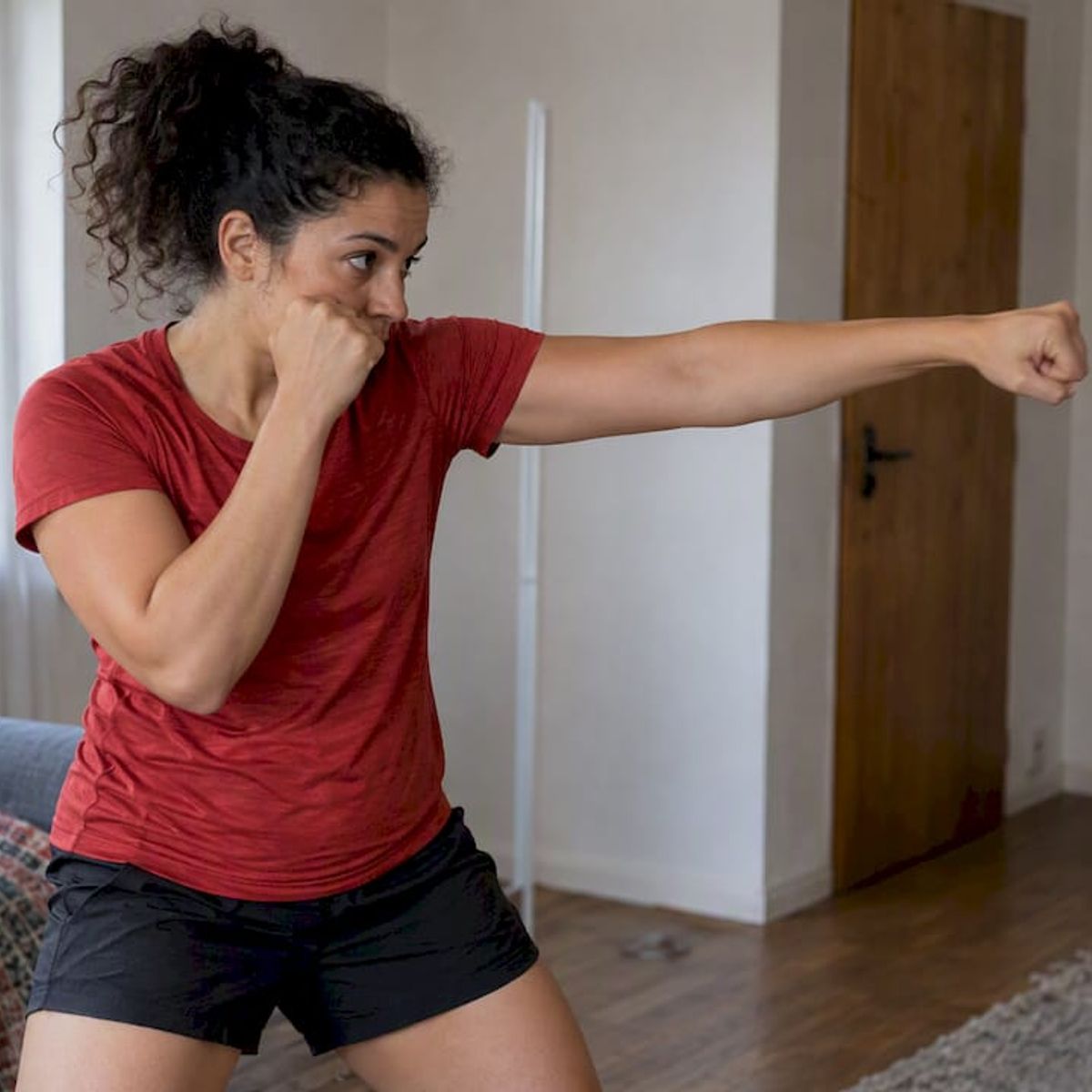

Circuit Training Classes: 3 Routines Coaches Can Scale
A circuit training class is a coached, station-based workout that combines cardio and strength in timed or rep-based rounds. It suits time-crunched people who want conditioning and strength built in one session, without planning anything themselves. The rest of this guide covers class formats, sample routines you can follow today, and how coaches keep sessions safe.
TL;DR:
- Circuit sessions can contribute to 150 to 300 weekly minutes of moderate aerobic activity and strength work on two or more days.
- A 2019 meta analysis found average losses of 3.81 kilograms and a 1.77 kg/m² BMI reduction among overweight and obese adults.
- Resistance circuit programs averaging about 42 minutes improved lower body strength in middle aged and older adults, while upper body gains were more modest.
- Coaches can scale impact by replacing jumps with steps, reducing loads when form slips, or adding weight and shortening rests as fitness improves.
- Tell the coach about injuries before class, and consult a healthcare provider if sharp pain or a condition affects balance or cardiovascular response.
Level Up Gym
Build Strength With Coached Training
Level Up Gym offers hybrid training and boxing in Stratford and Bridgeport, with coaching for adults who want to build strength.
Table of Contents
- What a circuit training class looks like: format, timing, and stations
- Benefits of circuit training, backed by research
- Who circuit classes suit and how often to go
- Three circuit-class templates you can follow today
- Getting ready for your first circuit class
- Safety, modifications, and how coaches scale intensity
- Why I recommend coached classes over going it alone
- How to try a coached circuit class at Level Up Gym
- FAQ
- Sources
What a circuit training class looks like: format, timing, and stations
Most classes follow a predictable rhythm: a short warm-up, a series of stations worked for either a set time or a set number of reps, brief rest between rounds, then a cool-down to bring heart rate back down. Stations usually rotate at regular intervals, and a full circuit might repeat depending on class length.
Typical stations include:
- Bodyweight moves like squats, push-ups, or mountain climbers
- Resistance work with dumbbells, kettlebells, or bands
- Cardio bursts on a bike, rower, or jump rope
- Combo movements such as a squat-to-press that blend strength and conditioning
Coaches manage the logistics so you do not have to: they cue form at each station, adjust pacing for different fitness levels in the room, and organize equipment so rotations happen without a bottleneck. That coaching layer is what separates a class from a workout you piece together on your own.
Benefits of circuit training, backed by research
Circuit classes let you check off aerobic and strength goals in a single session, which matters given that current guidelines call for 150 to 300 minutes of moderate aerobic activity weekly plus muscle-strengthening work on two or more days. A well-built circuit touches both at once.
A 2019 meta-analysis found circuit training reduced body weight by an average of 3.81 kilograms and lowered BMI by 1.77 kg/m² in overweight and obese adults, a meaningful shift for anyone using classes as part of a weight management plan.
Strength gains hold up too. A review of circuit resistance training programs, with sessions averaging about 42 minutes, found consistent improvements in lower-body strength among middle-aged and older adults, with more modest gains in the upper body.
Who circuit classes suit and how often to go
Circuit classes work across fitness levels because coaches scale the load, not the format: a beginner might step instead of jump, while a more advanced member adds weight or shortens rest. That flexibility is part of why beginner-friendly class formats tend to hold attendance better than unstructured gym time.
For frequency, think in terms of the weekly guideline rather than a fixed class count:
- Circuit sessions can help cover both the aerobic minutes and the strength days most adults need
- Older adults benefit from circuits that include balance and multicomponent movement, not just strength and cardio
- Anyone managing a chronic condition should treat circuit intensity as adjustable, not fixed
Three circuit-class templates you can follow today
These templates mirror the pacing of a coached class, so you can use them to prepare for your first session or to practice between classes.
- Beginner bodyweight circuit: Alternate work and rest intervals across stations (squats, push-ups, glute bridges, high knees, plank hold), repeating the circuit as appropriate.
- Studio-style class: Begin with a warm-up, then rotate through stations with work and rest intervals (kettlebell swings, box step-ups, rows, bike sprints, lunges, mountain climbers), and finish with a cool-down.
- Equipment-full intermediate circuit: Rotate through dumbbell thrusters, rower intervals, bent-over rows, bike sprints, and goblet squats, adding weight or repeating the circuit as it gets easier.
Reps versus time both work; time-based intervals keep a class moving together, while rep-based stations let stronger members push pace on their own.
Pro Tip: Treat the opening round of any circuit as a form check, not a race, then pick up intensity as you go.
Getting ready for your first circuit class
- Wear clothing you can move in and supportive training shoes, not running shoes with a high heel drop
- Eat a light snack beforehand and bring water for hydration
- Arrive early, tell the coach about any injuries or limitations, and ask about modifications upfront
- Bring a towel and expect quick transitions between stations, so keep gear simple
Safety, modifications, and how coaches scale intensity
Coaches trained in group exercise instruction build in regressions and progressions from the start: a jump becomes a step, a full push-up moves to an incline, a load gets lighter when form breaks down. On the other end, adding weight, extra rounds, or shorter rest periods keeps the challenge current as you improve. ACSM’s resources for group exercise instructors outline this kind of real-time cueing and modification as a core skill, which is part of what separates a coached class from a workout you run alone.
If a movement causes sharp pain, or you have a condition that affects balance or cardiovascular response, check with a healthcare provider before pushing through a class at full intensity.
Pro Tip: A good coach would rather slow you down for better form than let you rush through reps with poor mechanics.
Why I recommend coached classes over going it alone
I have watched beginners progress faster in capped, coached classes than in solo gym sessions, mostly because someone is actually watching their form. Certified instruction catches small mistakes before they become injuries, and smaller class sizes mean more individual attention. If you are weighing a structured starting point, a small-group setting or a short onramp program tends to build confidence faster than guessing on your own.
— Malcolm
How to try a coached circuit class at Level Up Gym
If you want the structure of a circuit class without building the program yourself, our group training classes combine strength and conditioning stations led by certified coaches, with every class capped in size so you get real attention, not just a crowded room. New members start with a free class or consult and leave with a written, individualized plan.
If you are brand new to structured fitness, our 6-Week Onramp builds a foundation before you jump into regular classes, and our small-group personal training is worth a look if you want more coaching per session. Book your free class or consult through our membership page to get started.
FAQ
Is a circuits class good for weight loss?
Circuit classes can support weight loss by combining aerobic and strength work in one session. A meta-analysis found circuit training reduced body weight by an average of 3.81 kilograms in overweight and obese adults, alongside a reduction in BMI.
What is the 3-3-3 rule gym?
This is not a term tied to any established exercise guideline or peer-reviewed framework, and definitions vary widely online. Rather than follow an undefined rule, structure your week around the standard guidance of 150 to 300 minutes of moderate aerobic activity plus muscle-strengthening work on two or more days.
Is 20 minutes of cardio a day enough?
A daily cardio routine can contribute toward the recommended 150 to 300 minutes of moderate aerobic activity weekly, but whether it is enough depends on its duration and intensity. Pairing that cardio with strength work on two or more days, which a circuit class does automatically, covers both parts of current guidance.
How often should I do circuit training?
Circuit sessions can help you meet the aerobic minutes and weekly strength days recommended by current guidelines. Older adults or beginners may start with a manageable amount of activity and build up as conditioning improves.
Sources
- Weight loss effects of circuit training interventions: A systematic review and meta‐analysis
- Pmc
- Circuit resistance training is an effective means to enhance muscle strength in older and middle aged adults: A systematic review and meta-analysis - PubMed
- ACSM’s Resources for the Group Exercise Instructor - ACSM