Private Boxing Coaching: Why a Hybrid Plan Beats Solo Training
Private boxing coaching is the fastest, safest way to build real technique, sharpen conditioning, and prepare for competition, because a coach corrects your form in real time instead of letting bad habits set in. We offer personal training, small-group sessions, and an introductory boxing class as ways to start. You get focused technique work, conditioning built around your goals, and a trained eye watching for safety the whole way through.
TL;DR:
- For general fitness and skill maintenance, one weekly session usually fits; two to three weekly sessions support faster technical progress or fight preparation.
- Sessions run 30 to 90 minutes; a 30 minute visit can focus on technique, while 90 minutes can include bag work and conditioning.
- Before committing, verify the coach’s credentials, insurance, and CPR/AED certification, and confirm health screening, movement assessment, and a written goal plan before loaded work begins.
- At the gym, private training costs $149.99 to $359.99 weekly, while small group sessions cost $74.99 to $174.99 per person each week.
- In professional boxers, three weeks of repeated sprint training improved time to exhaustion by more than 6% and mitochondrial rate after exercise by 160%.
Level Up Gym
Build Boxing Skills With Coaching
Level Up Gym offers hybrid training and boxing in Stratford and Bridgeport, with coaching for beginners and adults across Fairfield County.
Table of Contents
- What a private boxing coaching session includes
- Who benefits most from private coaching
- How much private boxing coaching costs
- How to evaluate and choose a private boxing coach
- What to expect in your first 1 to 3 sessions
- Training methods that actually improve boxing performance
- Why we built our coaching around this approach
- Ready to start? Here’s how to book your first session
- FAQ
- Sources
What a private boxing coaching session includes
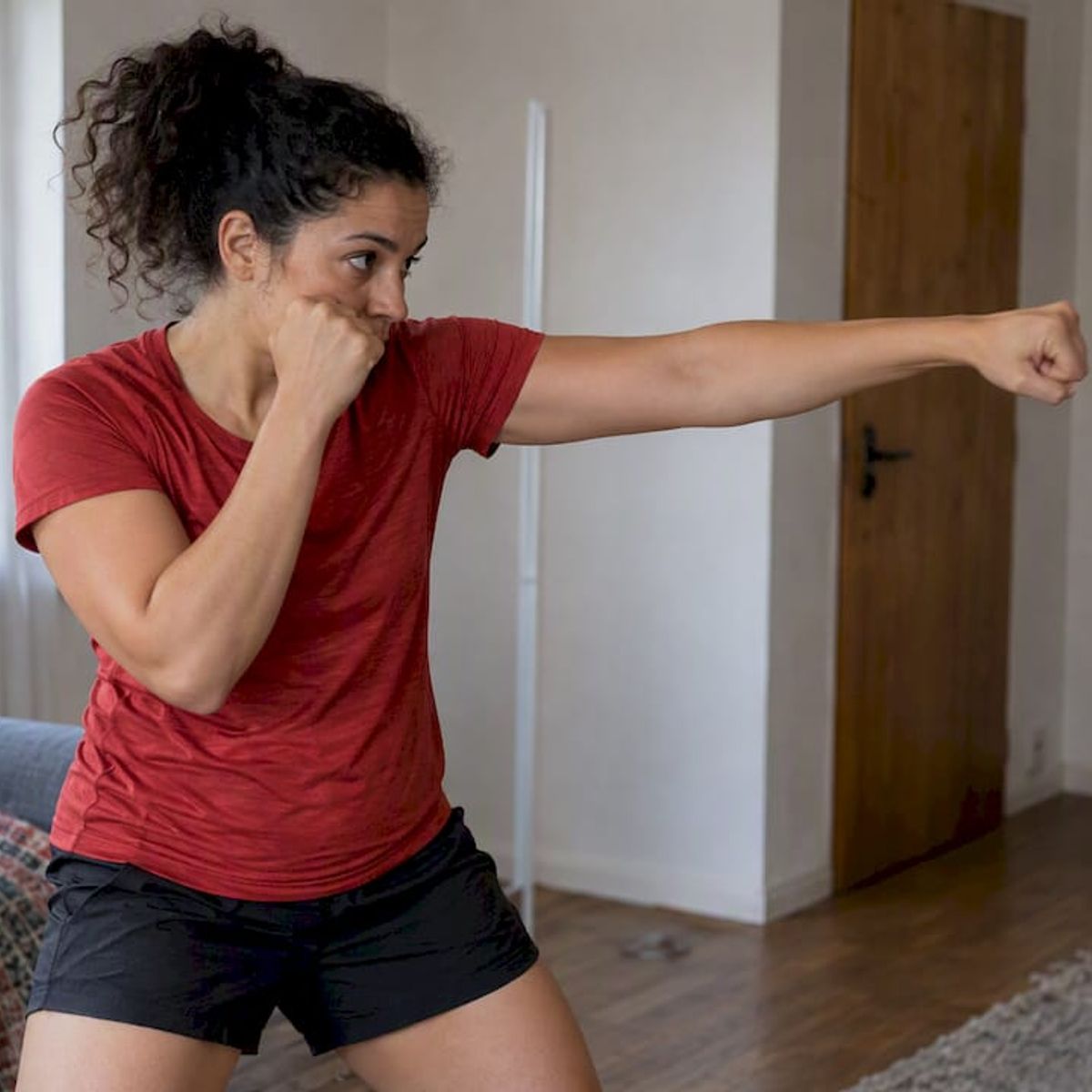
A typical session moves through a few clear phases. You warm up, then work technical drills like stance, footwork, and jab mechanics before moving to mitt work with your coach. Heavy-bag intervals and conditioning circuits usually follow, with a cooldown to close things out.
- Warm-up and mobility work to prepare joints and muscles for striking.
- Technical drills on stance, footwork, and punch mechanics.
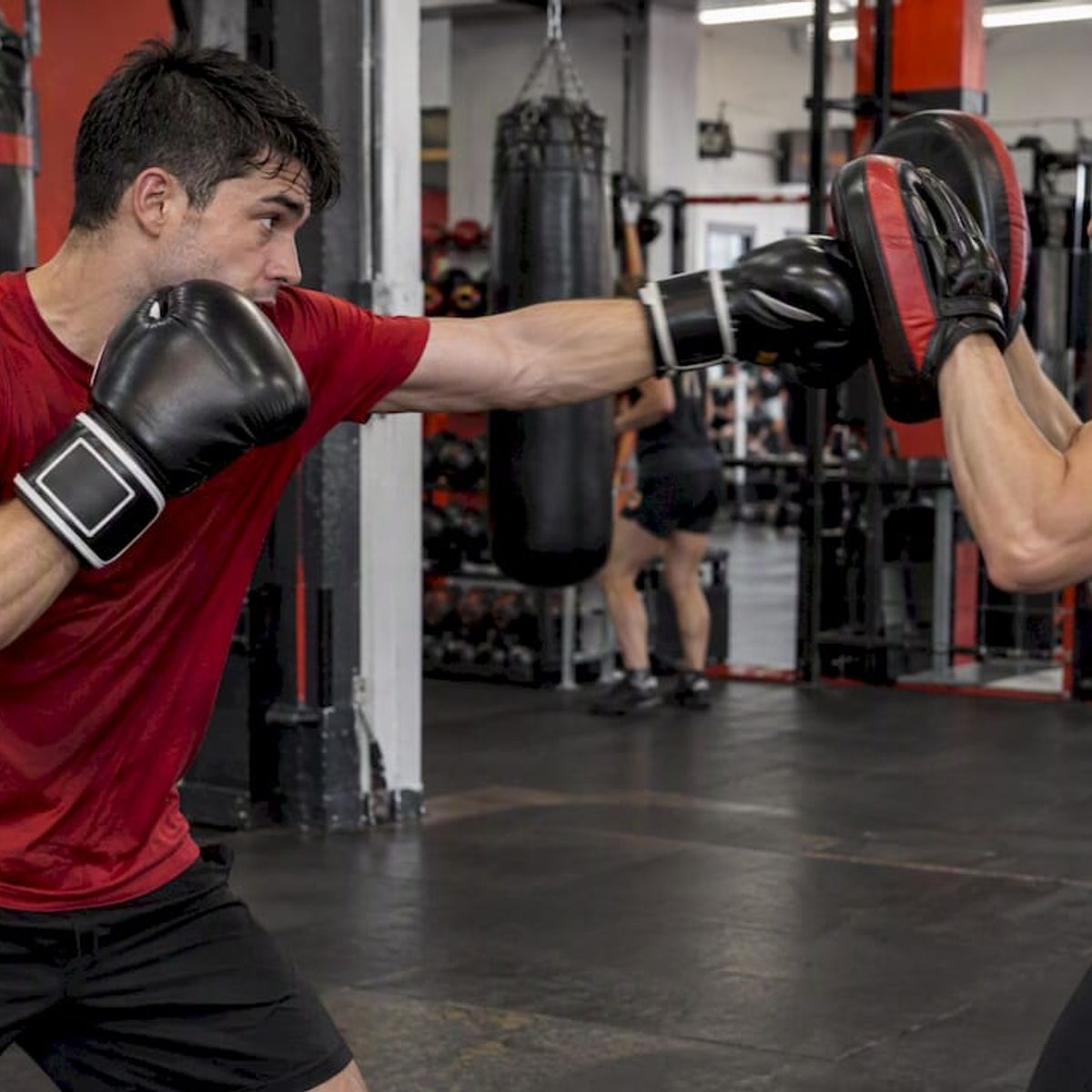
- Mitt or pad work where the coach calls combinations and corrects form live.
- Heavy-bag intervals for power, rhythm, and conditioning.
- Conditioning circuits such as core work, jump rope, or short sprints.
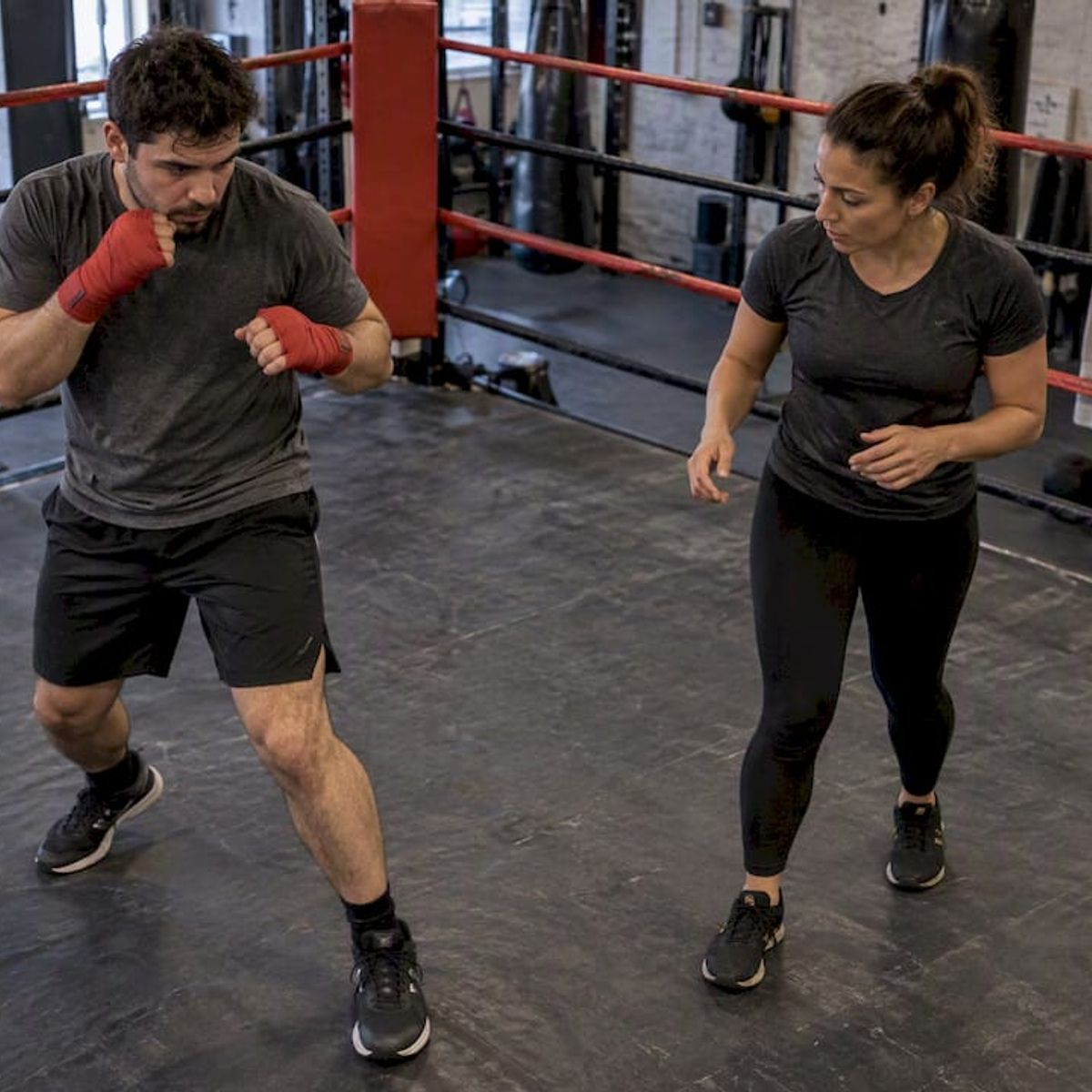
Formats vary too. One-on-one sessions give you full attention; small-group coaching (two to four people) costs less per person while keeping feedback personal; virtual coaching works for drilling technique on camera between in-person sessions. Sessions typically run 30 to 90 minutes, and length changes what fits: a 30-minute session might focus entirely on technique, while a 90-minute session has room for technique, bag work, and conditioning. A single drop-in session suits someone testing the waters, while a program of weekly sessions suits anyone working toward a specific goal, whether that is cleaner technique, weight loss, or fight preparation.
Who benefits most from private coaching
Private coaching works differently depending on what you’re after, so it helps to match your goal to a format before you book.
- Beginners should prioritize fundamentals: stance, guard position, and basic footwork, with a coach watching closely to prevent injury-prone habits from forming early.
- Fitness seekers benefit most from bag-based interval training, which combines boxing-specific HIIT with steady calorie burn and cardio gains.
- Competitive trainees need technical sparring, periodized conditioning blocks, and short camps leading into a bout.
Frequency matters as much as format. Once a week tends to suit general fitness and skill maintenance, while two to three sessions weekly suit anyone chasing faster technical progress or preparing for a fight.
How much private boxing coaching costs
Pricing depends heavily on coach experience, location, and what’s included. A coach with years of competitive experience or specialized certifications typically charges more than a newer trainer, and in-home sessions often cost more than sessions at a gym due to travel and setup. Session length also changes the price: a 30-minute session costs less than a 90-minute session that includes programming and conditioning work.
When comparing offerings, confirm what’s actually included:
- Whether programming or a written plan comes with the sessions.
- Whether video review or progress tracking is part of the package.
- Whether pad work, bag work, and conditioning are all covered or sold separately.
- Whether package pricing or multi-session bundles bring the per-session cost down.
Small-group training is worth considering if budget matters, since splitting a coach’s attention across two to four people lowers the per-person price while keeping feedback personal. Introductory offers, like a free first class, also let you evaluate a coach’s style before committing to a package.
How to evaluate and choose a private boxing coach
Choosing a coach comes down to checking the same handful of things every time, no matter where you’re looking.
- Verify credentials: an NCCA-accredited certification from a body like ACSM, NASM, or ACE, current CPR/AED certification, and professional liability insurance.
- Confirm intake procedures: a pre-activity health screening, a movement assessment, and a written goal plan before you start training.
- Ask about approach: how they handle sparring readiness, how often they adjust programming, and what their cancellation or refund policy looks like.
- Watch for red flags: no written plan, pressure to sign a long contract before a trial session, or no mention of safety protocols.
- Request trust signals: references, a short video of a training session, or feedback from current clients.
A qualified coach should also be able to explain why a drill works, not just put you through it. The ACSM’s guidance on hiring a personal trainer notes there’s no single national standard for the title “personal trainer,” which makes checking credentials, insurance, and screening procedures yourself even more important. You can also read more about what to look for in boxing coach credentials before you book.
Pro Tip: Ask a prospective coach to walk you through how a typical first month of sessions would look. A vague answer usually means there’s no written plan behind the coaching.
What to expect in your first 1 to 3 sessions
Your first session should start with an intake form covering health history and any past injuries, followed by a movement screen before any loaded work begins. From there, expect basic technique drills and light pad or bag work rather than anything high-intensity.
- Session one: intake, movement screening, stance and footwork basics, light pad work.
- Session two: simple combinations, introduction of conditioning elements, and early benchmarks like punch count or round endurance.
- Session three: progression to more complex combinations and a clearer read on conditioning baselines.
Coaches commonly track early progress through video, repetition quality, and conditioning markers rather than guesswork. Being upfront about injuries and physical limits from the first conversation keeps progressions safe and prevents setbacks later.
Training methods that actually improve boxing performance
Good coaching pairs technique work with conditioning methods that have measurable effects. A 2024 study on professional boxers found that three weeks of repeated sprint interval training, using short all-out efforts several times a week, improved time-to-exhaustion and mitochondrial markers tied to endurance.
Three weeks of sprint interval training produced measurable gains in time-to-exhaustion and mitochondrial function in professional boxers.
Three weeks of sprint interval training raised time-to-exhaustion by more than 6% and increased post-exercise mitochondrial rate by 160% in professional boxers, supporting short, intense conditioning blocks over long steady-state cardio.
Separate research on experienced amateur boxers found that a four-week sport-specific sprint and punching protocol improved punching ability and upper-body aerobic power, showing that boxing-specific intervals transfer directly to ring performance better than generic cardio. A coach who builds short, all-out bag intervals into your sessions, two or three times a week, is applying the same principle. Our breakdown of heavy bag training for fitness covers templates you can use between coached sessions.
Why we built our coaching around this approach
We run a hybrid training and boxing gym across Stratford and Bridgeport, CT, offering 1-on-1 personal training, small-group PT, and a free introductory boxing class. We pair technical boxing coaching with strength and conditioning work, capping class sizes so every member gets real attention instead of getting lost in a crowd. Every new member starts with a written, individualized plan, never a guess.
— Malcolm
Ready to start? Here’s how to book your first session
If you want technique work, conditioning, or fight preparation built around your own goals, the fastest next step is a free introductory boxing class at one of our Stratford or Bridgeport locations.
Our 1-on-1 and small-group personal training options run from $149.99 to $359.99 per week for private sessions, with small-group pricing from $74.99 to $174.99 per week per person. New to boxing entirely? Our 6-Week Onramp program, priced at $699 as a one-time fee, gives beginners a structured path before stepping into private coaching.
Bring workout clothes, hand wraps if you have them, and a water bottle. We’ll handle the assessment and the plan from there.
- Book a free intro class to test our coaching style with no commitment.
- Bring any injury history or physical limitations so your coach can plan around them.
- Ask about small-group pricing if you want personal attention at a lower cost.
For readers who prefer training at home, our partner Posh Fitness offers in-home and virtual personal training across Fairfield County as another option worth comparing.
FAQ
How much should private boxing lessons cost?
Pricing depends on coach experience, session length, and location, with in-home sessions typically costing more than gym-based ones. Our 1-on-1 personal training runs $149.99 to $359.99 per week, while small-group sessions run $74.99 to $174.99 per week per person.
Are private boxing lessons worth it?
Private lessons give you direct, real-time correction on technique and a conditioning plan built around your specific goals, which generally produces faster progress than training alone. They’re especially worth it for beginners learning proper form and for anyone preparing for a fight.
How much does a boxing coach usually cost?
Cost varies by coach credentials, session length, and whether you train one-on-one or in a small group. Confirming what’s included, such as programming or video review, helps you compare offers accurately rather than price alone.
What is the 80/20 rule in boxing?
Definitions vary depending on who’s applying it, but a common version splits training time roughly between technical skill work and conditioning, with the larger share going toward technique and strategy. A private coach can help you figure out the right balance for your specific goals.
Sources
- Traineracademy
- Investing in a personal trainer (ACSM handout)
- Impact of sprint interval training on post-fatigue mitochondrial rate in professional boxers (PMC)
- Sport-specific repeated sprint training improves punching ability and upper-body aerobic power in experienced amateur boxers (J Strength Cond Res, 2018)